Themes by design style.

A sharable showcase of templates you can grab and go if you like that style.

8 repositories, one per register. Each ships annotated design tokens with their measured contrast ratios, a component layer, two Tailwind adapters, and a demo that opens from a file with nothing installed. MIT, so fork it and rename the tokens.

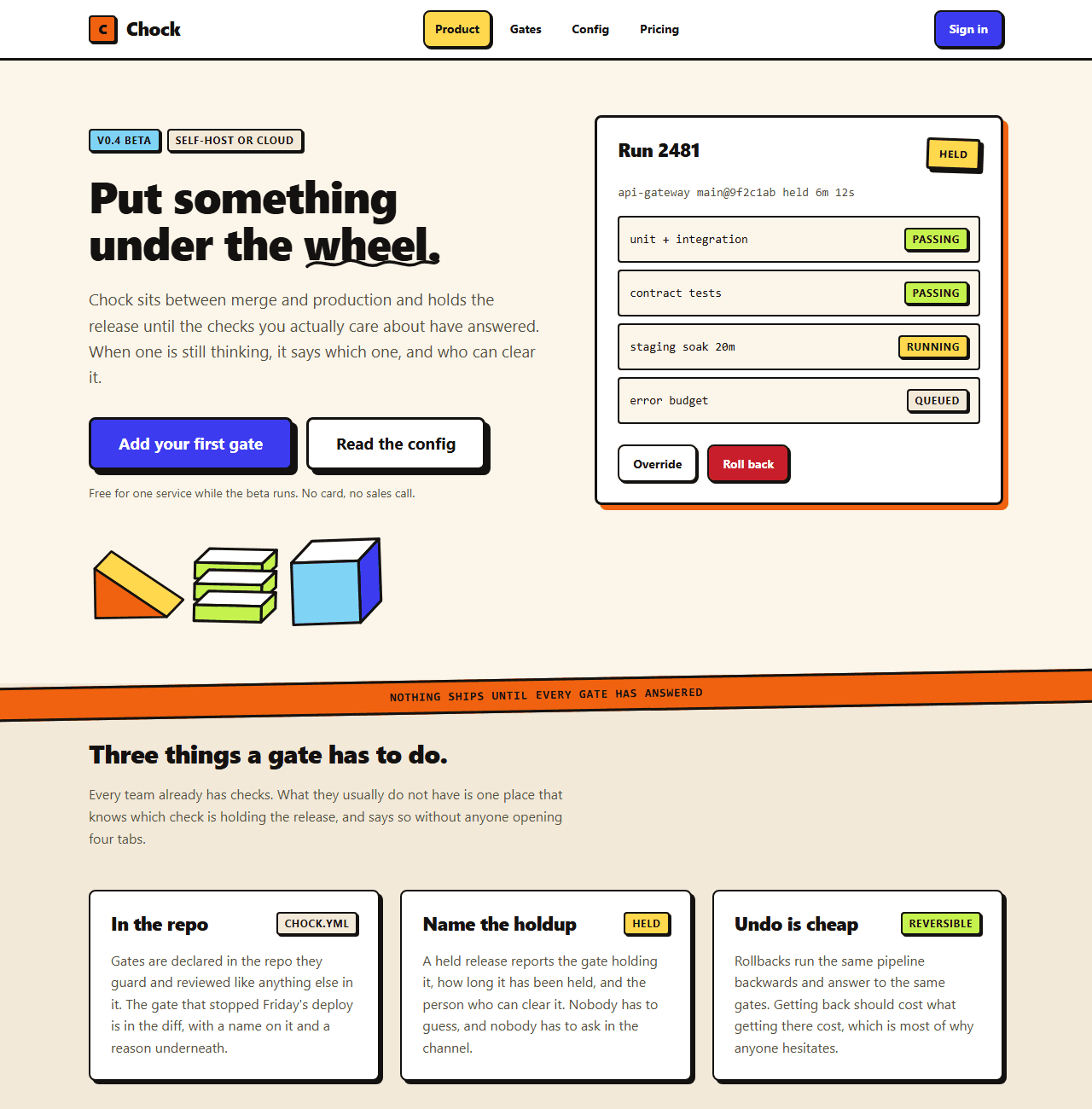
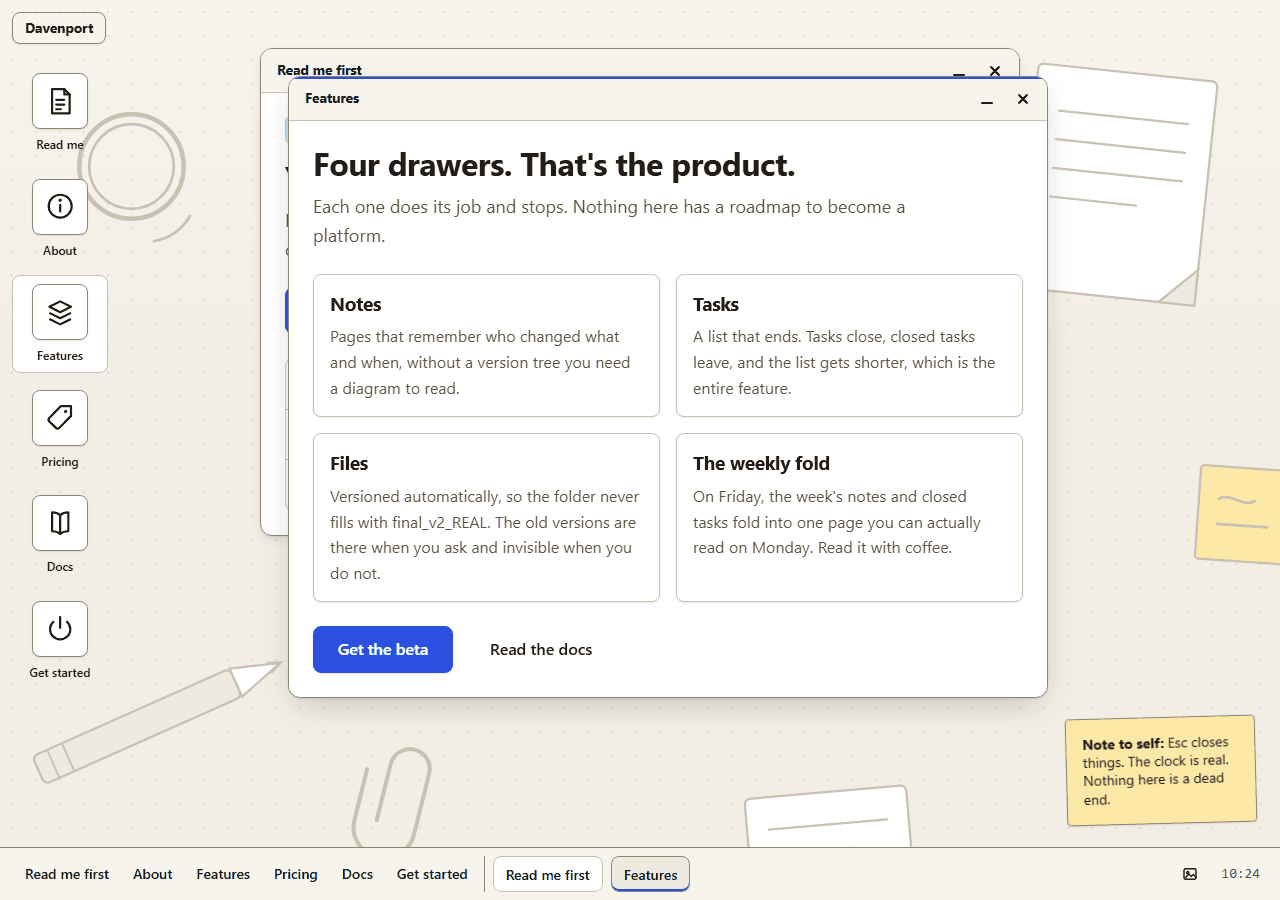
  • The Neobrutalism theme's demo page, rendered from its own tokens and components.

    Neobrutalism

    Hard borders, offset shadows with no blur, and saturated flat fills on a warm paper ground.

    • TonePlayful
    • AestheticControlled Maximalist
    • RelationshipPeer
    • SensoryConsidered

    neobrutalism · brutalist UI · hard shadows · flat fills

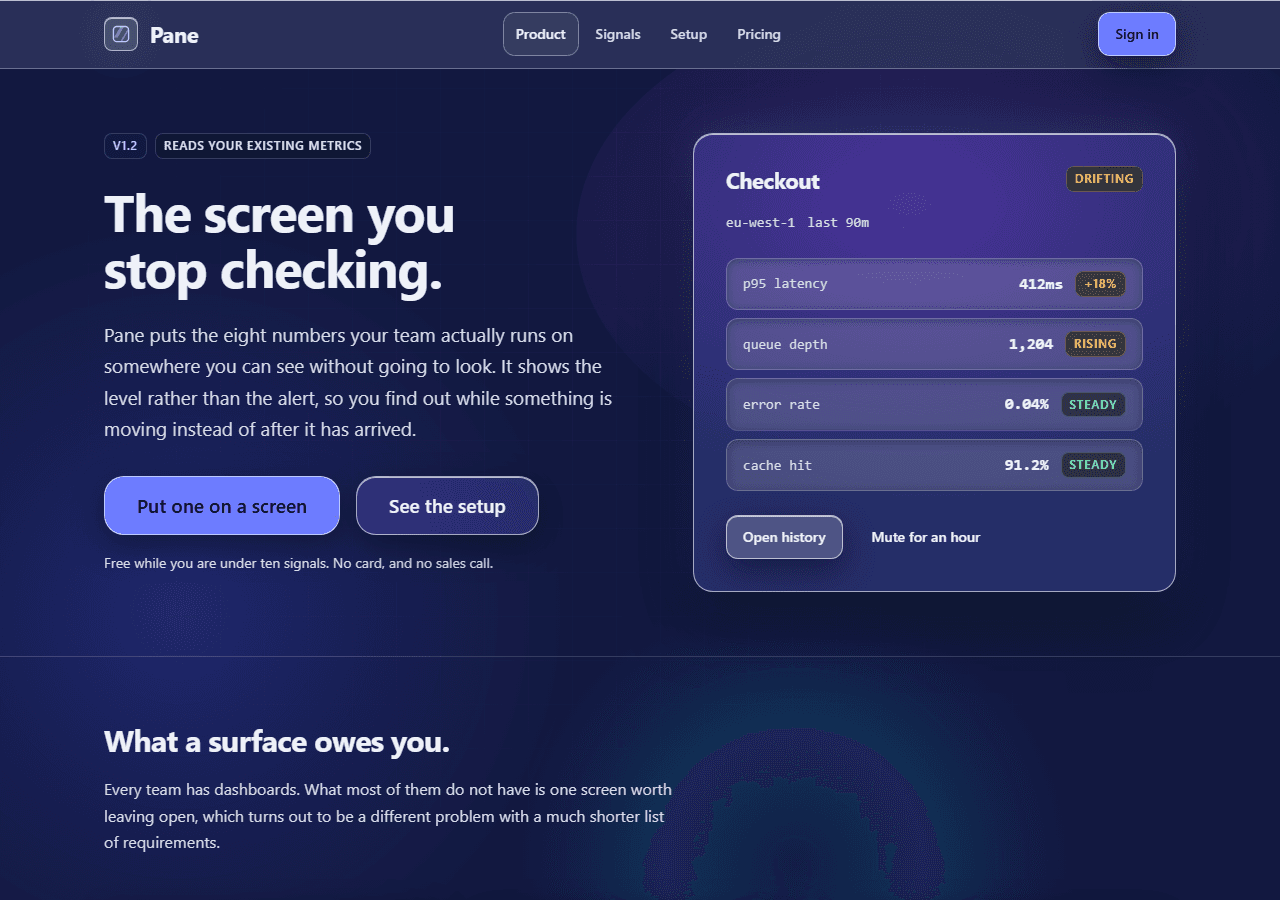
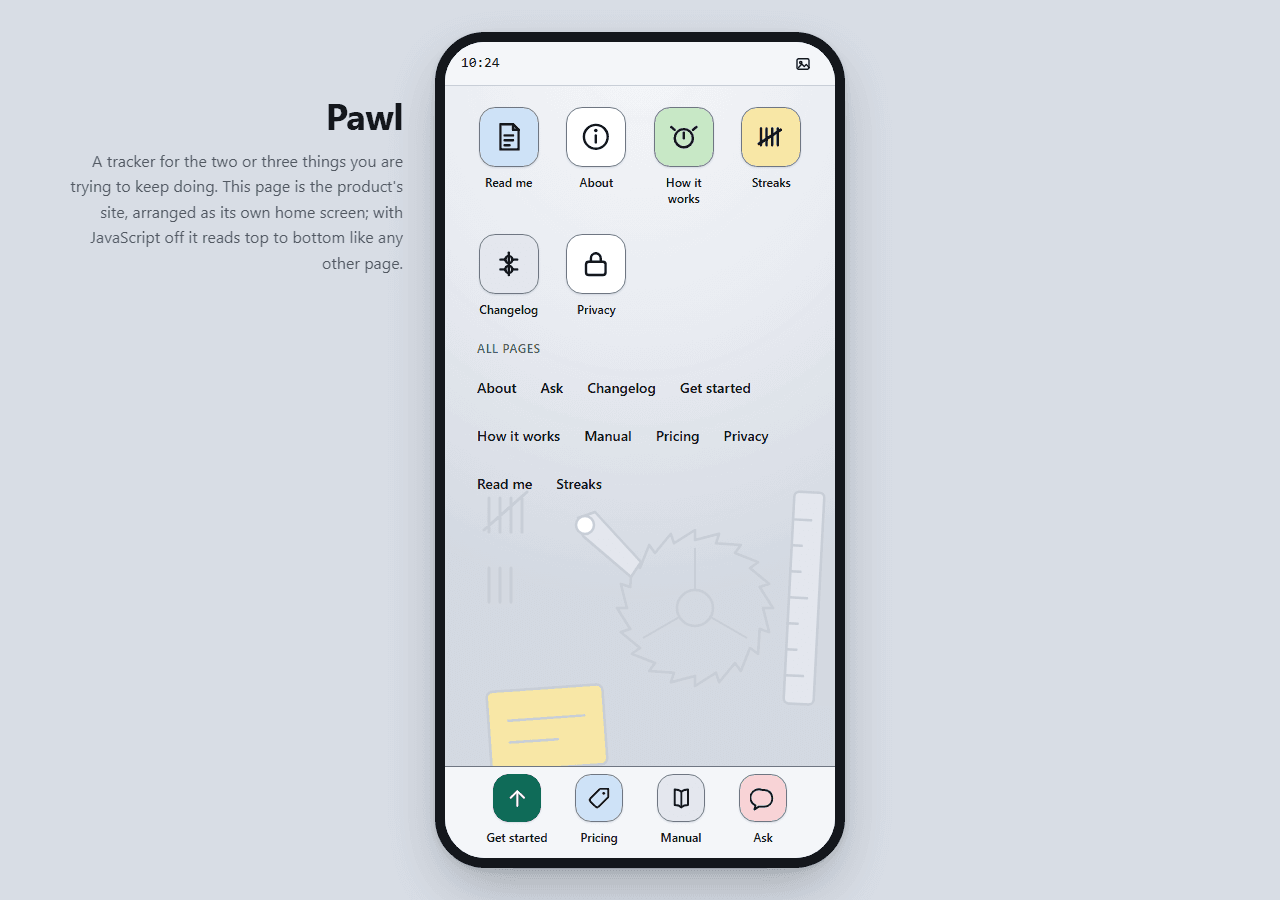
  • The Glassmorphism theme's demo page, rendered from its own tokens and components.

    Glassmorphism

    Frosted surfaces at three elevation tiers over a lit ground, with every contrast ratio measured against a computed worst case.

    • ToneConversational
    • AestheticPolished Standard
    • RelationshipPeer
    • SensoryConsidered

    glassmorphism · frosted glass · backdrop blur · liquid glass

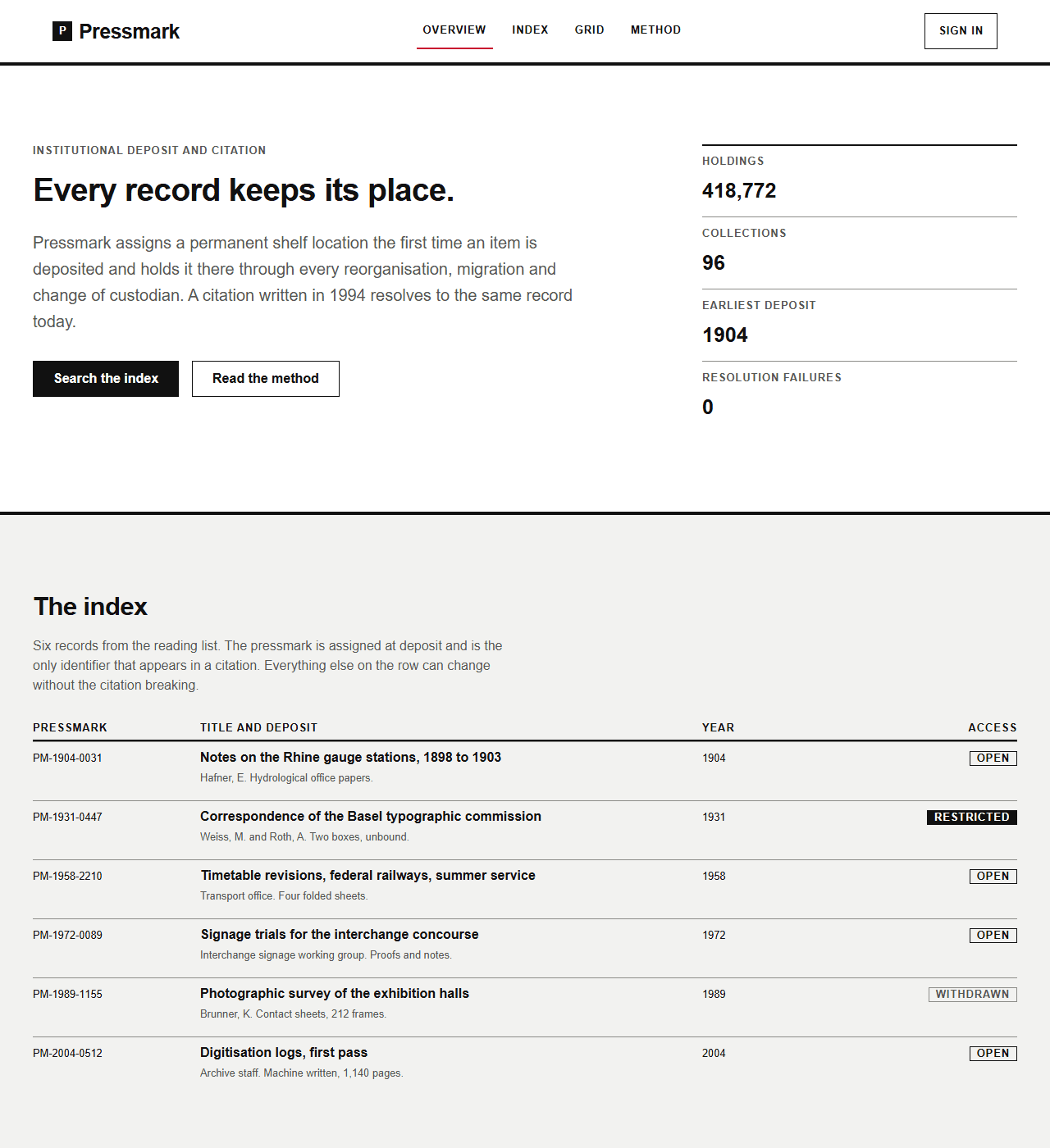
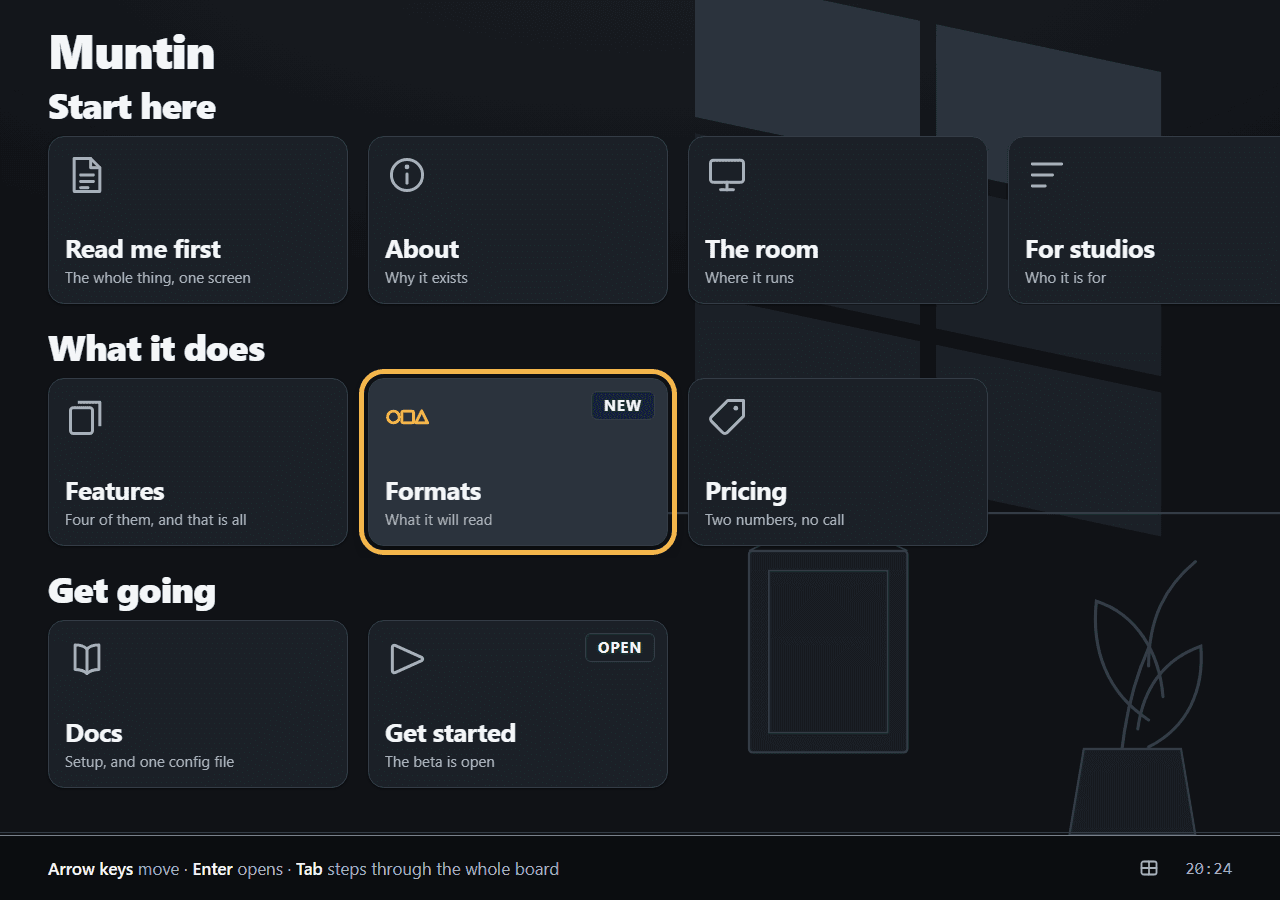
  • The Swiss style theme's demo page, rendered from its own tokens and components.

    Swiss style

    A twelve-column grid and a modular type scale set on an eight-pixel baseline, with type doing the work.

    • ToneProfessional
    • AestheticEditorial Restrained
    • RelationshipAuthority
    • SensoryConsidered

    Swiss style · International Typographic Style · grid systems · editorial layout

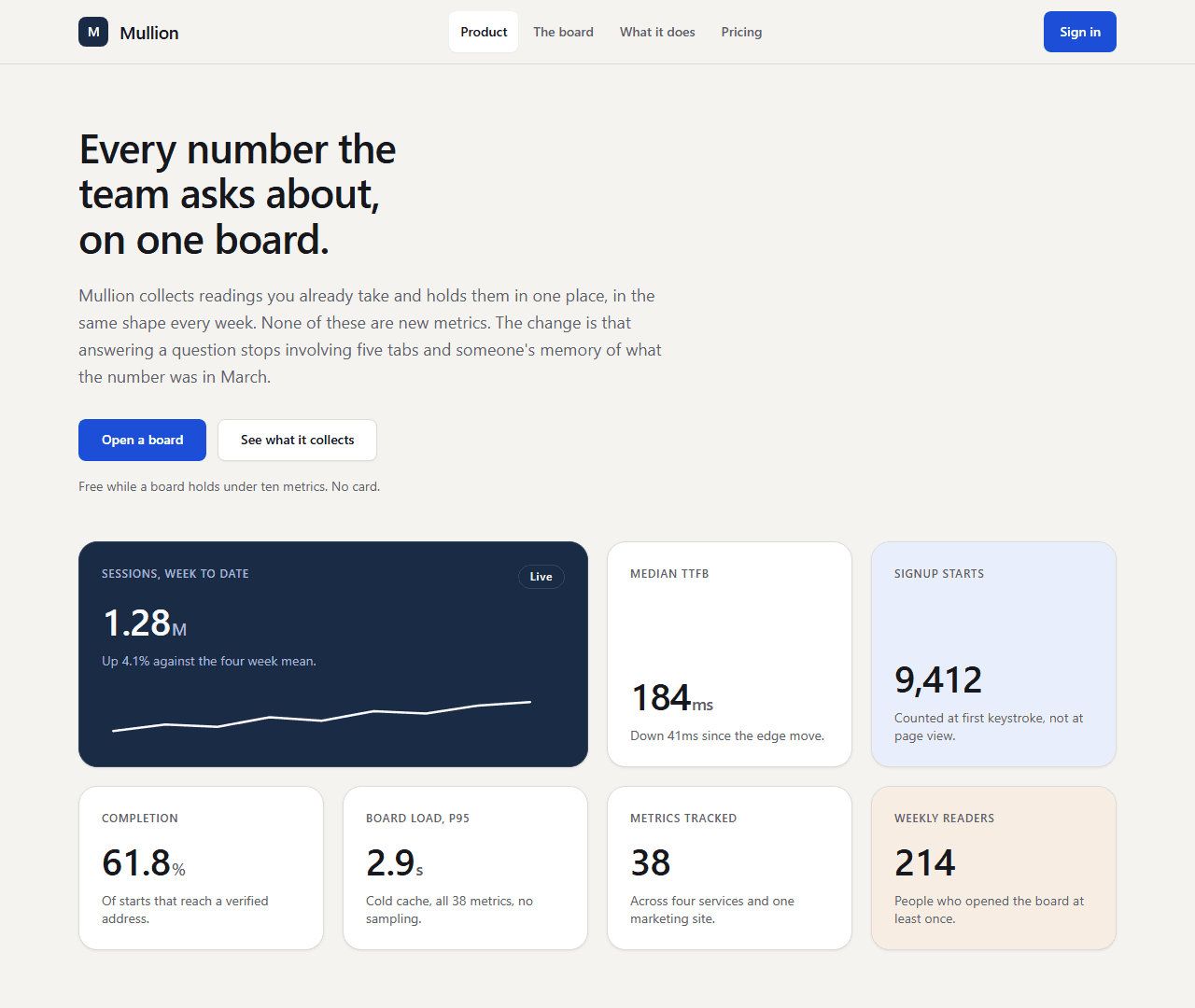
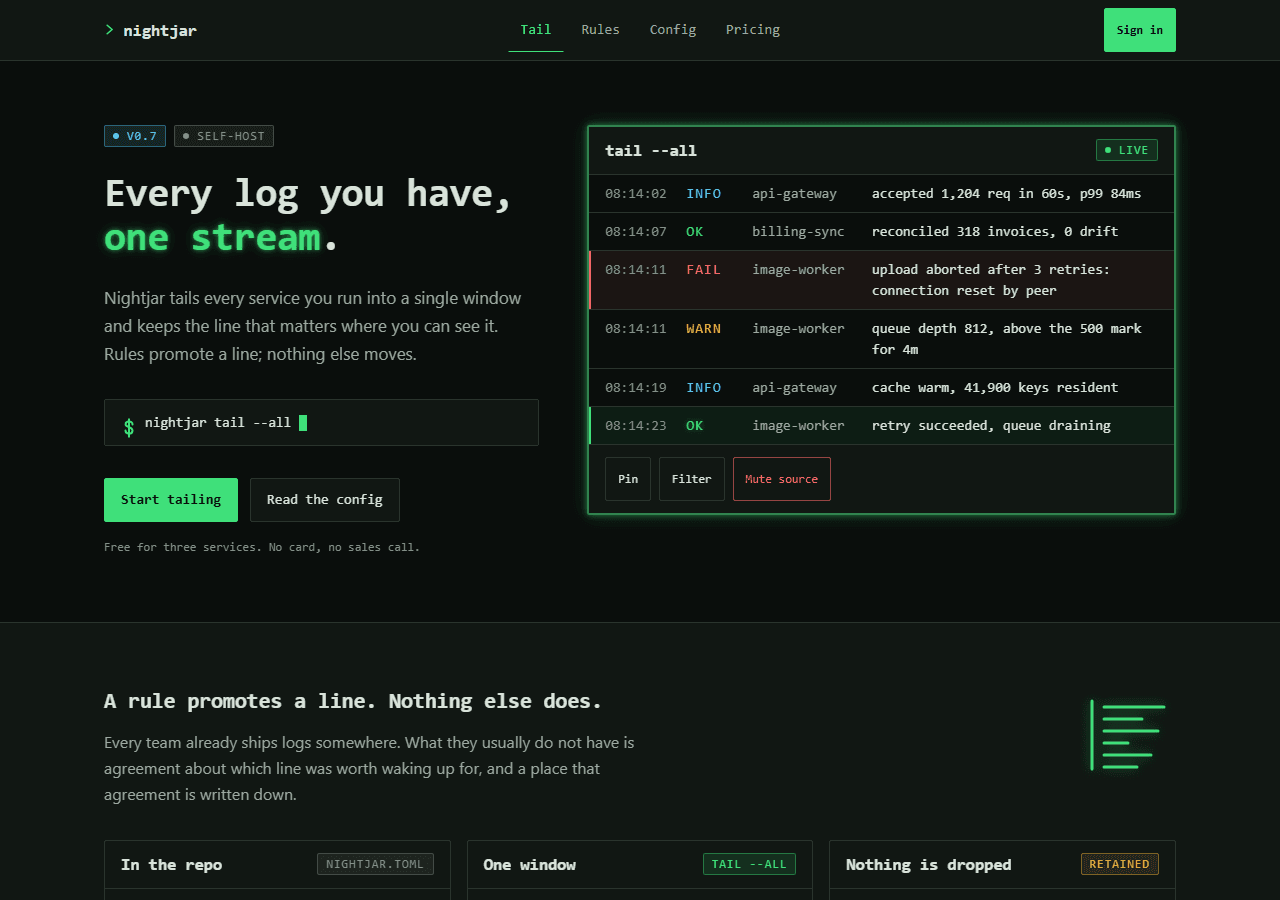
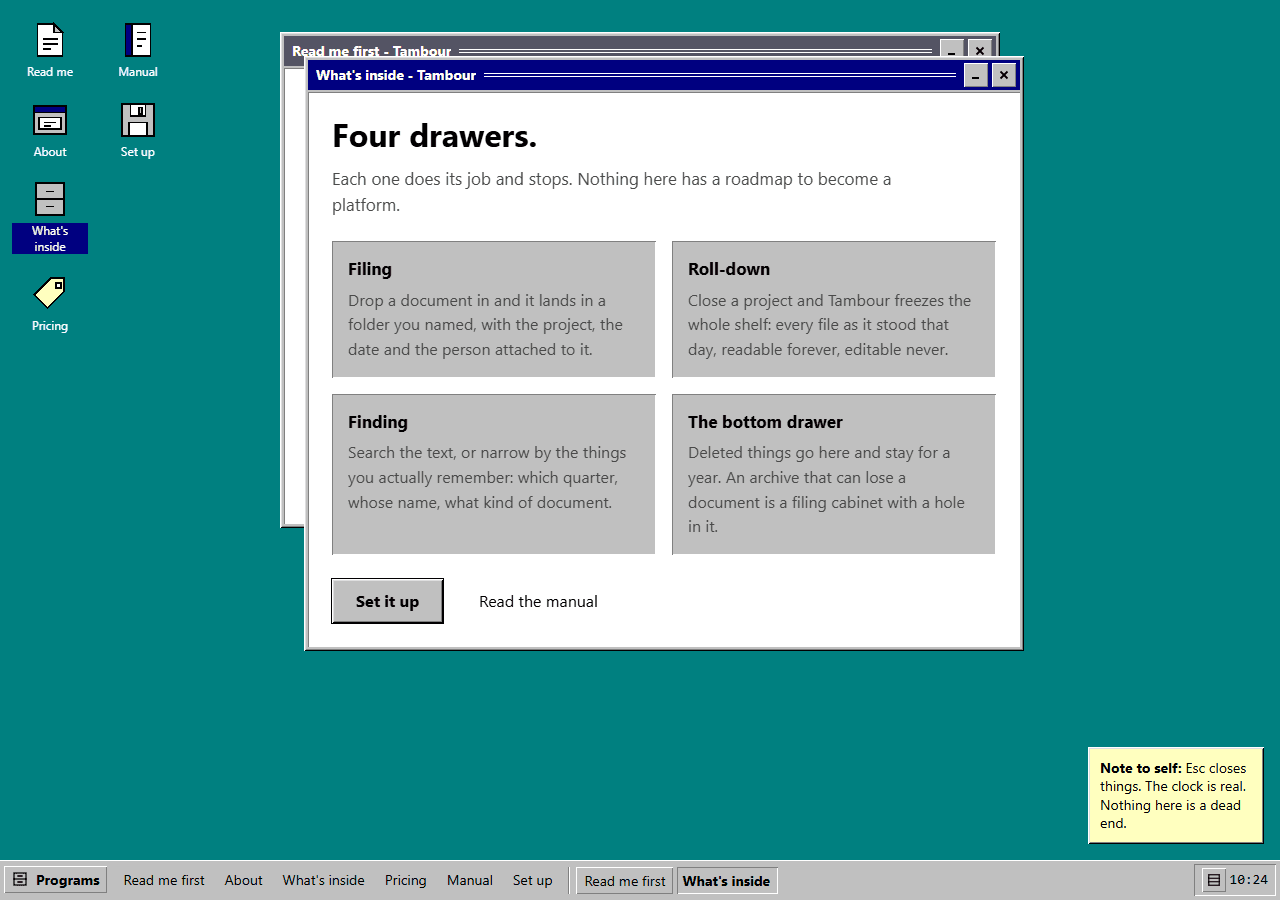
  • The Bento grid theme's demo page, rendered from its own tokens and components.

    Bento grid

    A mosaic layout kept separate from the surface it wears, with three named arrangements and a re-skin demo that proves the separation.

    • ToneProfessional
    • AestheticPolished Standard
    • RelationshipPeer
    • SensoryConsidered

    bento grid · bento box layout · dashboard mosaic · CSS grid spans

  • The Terminal UI theme's demo page, rendered from its own tokens and components.

    Terminal UI

    Monospace throughout on a character grid, with the console's conventions treated as a design system rather than a costume.

    • ToneProfessional
    • AestheticEditorial Restrained
    • RelationshipPeer
    • SensoryConsidered

    terminal UI · TUI · monospace · console aesthetic

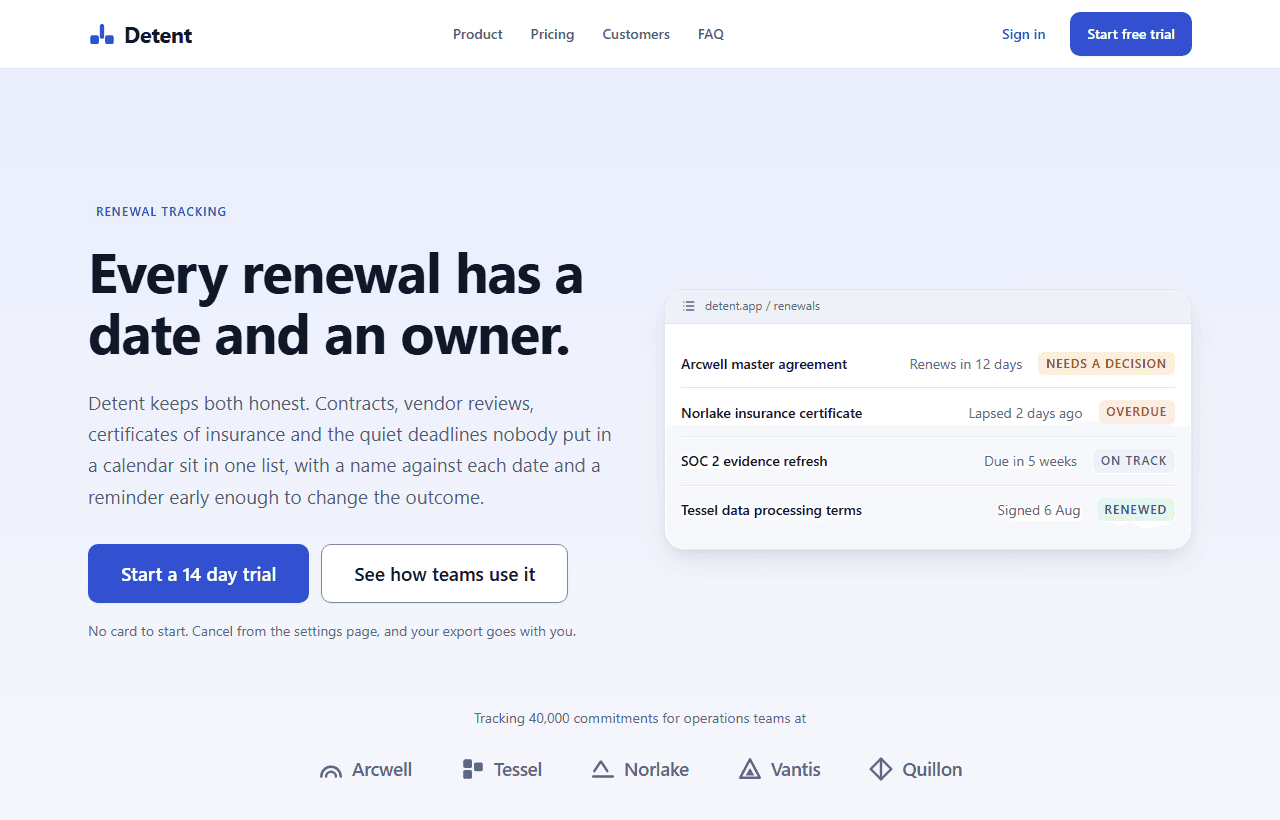
  • The SaaS landing theme's demo page, rendered from its own tokens and components.

    SaaS landing

    The conventions a modern product page is expected to use, executed at the craft level that separates them from a template.

    • ToneConversational
    • AestheticPolished Standard
    • RelationshipPeer
    • SensoryConsidered

    SaaS landing page · startup landing · product marketing page · shadcn theme

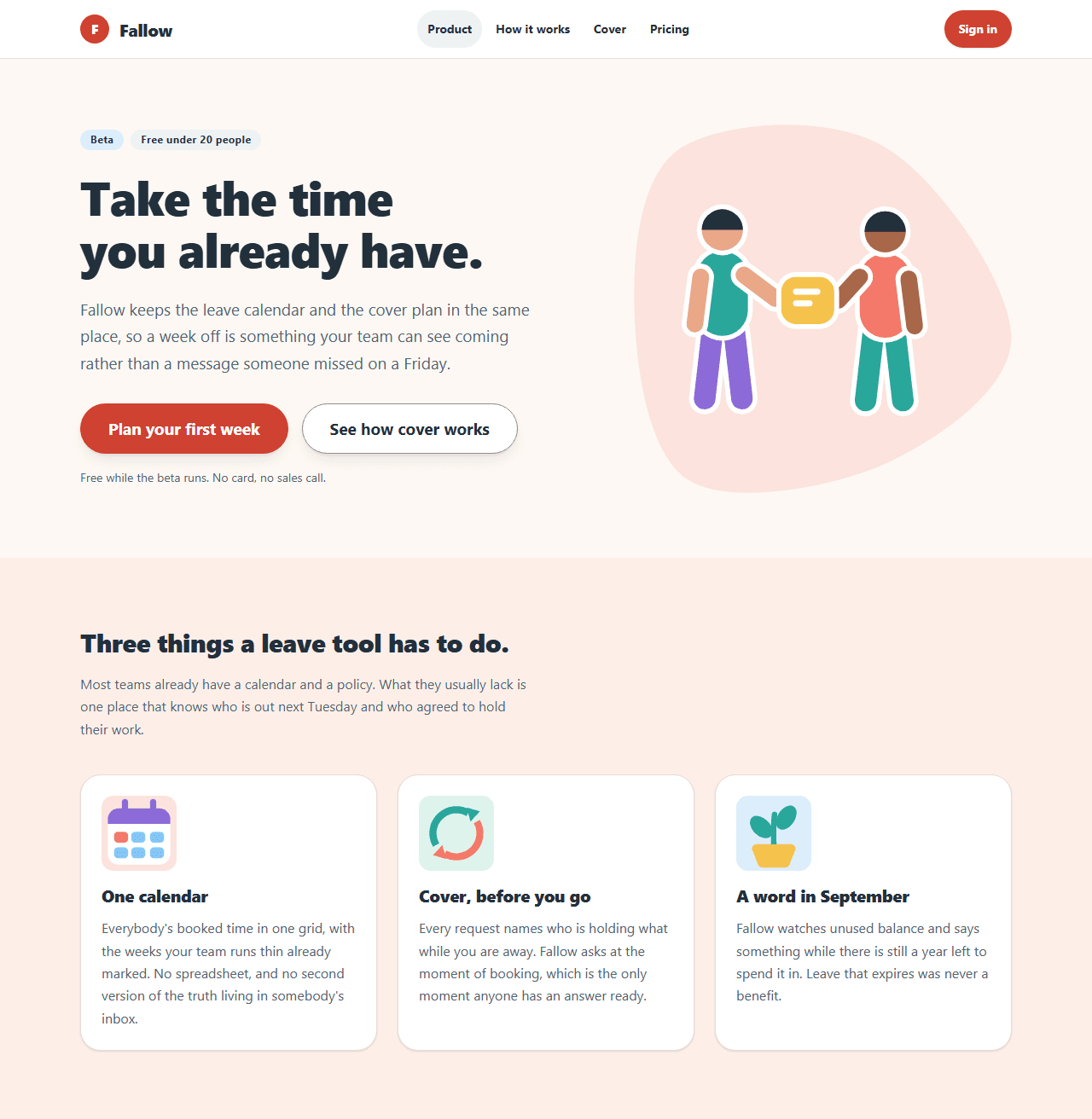
  • The Corporate Memphis theme's demo page, rendered from its own tokens and components.

    Corporate Memphis

    Flat geometric illustration with oversized figures and a soft palette, the register most often used without being named.

    • ToneConversational
    • AestheticPolished Standard
    • RelationshipCompanion
    • SensoryConsidered

    corporate memphis · flat illustration · humaaans · alegria style

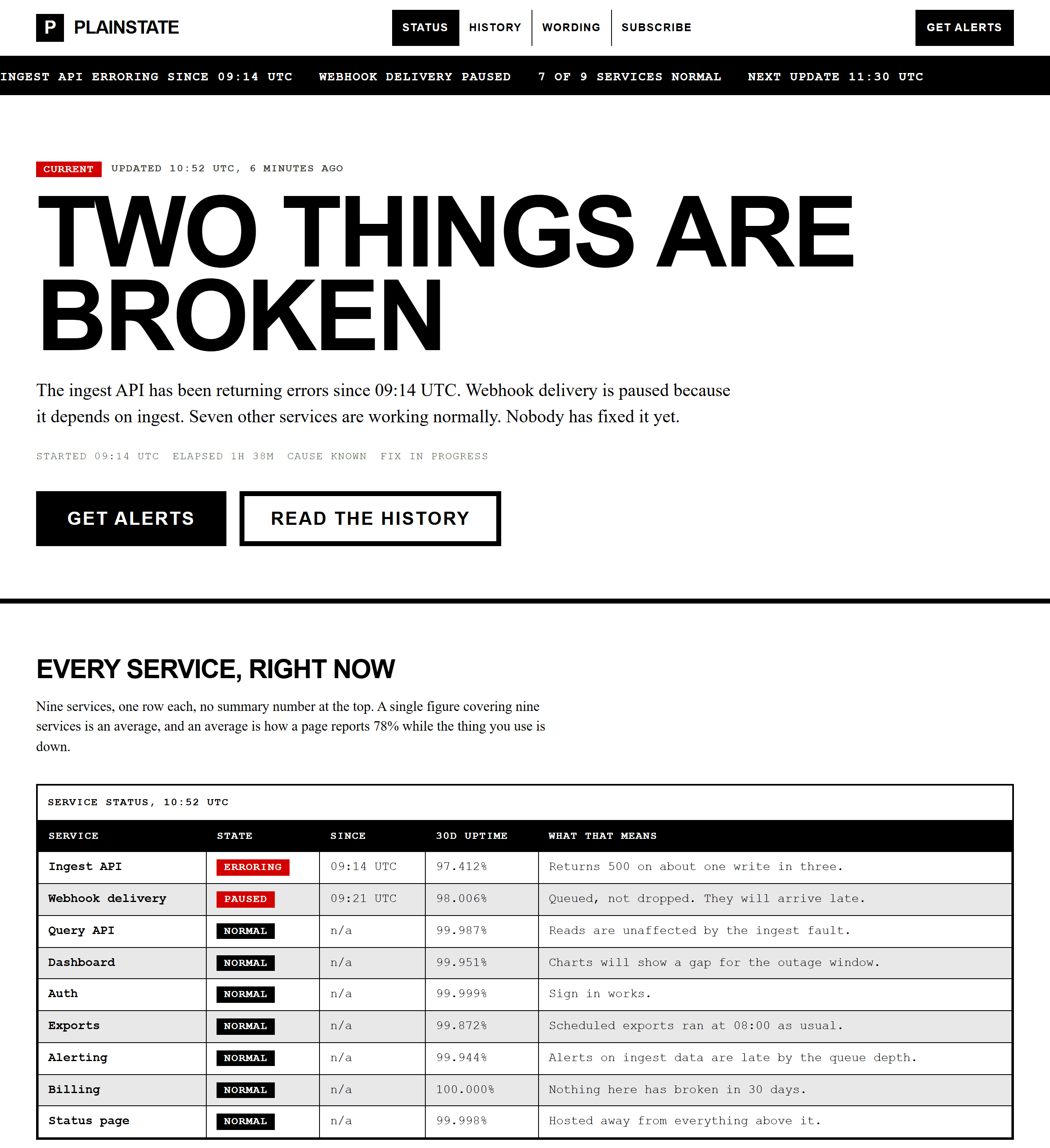
  • The Brutalist web theme's demo page, rendered from its own tokens and components.

    Brutalist web

    The hostile one: default browser styles, unstyled links, and no concession offered, where the discomfort is the argument.

    • ToneProvocative
    • AestheticExpressive Maximalist
    • RelationshipPeer
    • SensoryFunctional

    brutalist web design · raw HTML · anti-design · unstyled

What the collection covers.

The creative direction framework sets brand direction on four axes, 15 positions in all. Every theme states where it sits, so the collection can be read as coverage rather than as a set of moods. Positions no theme has reached are listed as open, because a gap is a fact about the collection rather than something to leave out.

2 of the 15 positions have no theme yet: Coach (Relationship), Resonant (Sensory). Those are the registers the collection does not reach yet.

Where to go next

If you want the reasoning rather than the artifacts, the creative direction framework is where these coordinates come from, and every theme README works through what its position costs and what it buys. Issues and pull requests belong on the theme repository they concern; for questions and anything conversational, use the discussions on the claude-skills repository, which is where discussion for all of these repos lives.