Sensory axis · Position 2 of 3
Considered sensory in Creative Direction
The visible-craft sensory position in the creative direction framework. Aesthetic choices are visible without being the message.
Considered is the position where the reader notices the craft without it being the point.
What Considered is
Considered sits in the middle of the sensory axis. The aesthetic is calibrated to be visible: the reader notices the typography, the color choices, the spacing rhythm, the small motion. But the design does not announce itself. Where Functional asks aesthetic to serve utility and Resonant asks aesthetic to make the reader feel something specific, Considered asks aesthetic to demonstrate the brand's craft. The reader leaves the page thinking the brand has good taste; they do not leave the page thinking the brand has tried to manipulate them into a feeling.
The position is the most-populated on the sensory axis because most premium brands in most categories live here. Considered is the floor for skincare, design studios, fine dining, premium consumer goods, professional services. The brand has to demonstrate craft to justify the price and to differentiate from category competitors; the brand also has to avoid the tip into either utilitarianism (Functional, which loses the premium signal) or theatricality (Resonant, which can read as overstaging).
When Considered fits
Considered fits brands whose product or service is itself a craft purchase: skincare formulated with care, garments made well, food cooked deliberately, software built by people who care about the details. The brand has to demonstrate that the same care is in the marketing as in the product, and Considered is the position that makes the demonstration legible without overstating it.
The position also fits brands whose buyers value taste as a signal. The page reads as a brand that understands what good design is and has committed to it. The aesthetic signals to the buyer that the team behind the brand has internal standards, which buyers in premium categories use as a proxy for the standards they cannot directly inspect (manufacturing, sourcing, service).
What Considered rejects
Considered is not precious. The position rejects the over-design that treats every page as a treasure to be unwrapped slowly. The discipline is to keep the aesthetic visible without making it the subject of the page. Brands that drift into precious produce work that prioritizes the wrapping over the contents, which competes with the actual product the brand is asking the buyer to evaluate.
The position also rejects the assumption that more design equals more Considered. Considered is calibration, not addition. A page with three deliberate choices well-executed reads more Considered than a page with twelve choices each individually nice but uncoordinated. The position rewards governance, the way Controlled Maximalist rewards engineering.
Examples in the showcase
12 archetypes that demonstrate Considered
Considered is the most-populated position in the showcase. The archetypes below cover skincare, law, real estate, design studios, healthcare, premium consumer goods, and the framework's canonical Considered references.

Hewn
Clean skincareHewn is single dropper-bottle hero, terracotta accent, citations at the bottom. The Considered sensory ambition is what makes the science-confident voice feel like an editorial; the craft is visible without being the subject.
See the archetype
Counsel
Business law firmCounsel is the typographic register. Source Serif lockup, warm cream paper, muted forest green accent. Considered sensory in legal is the move that signals firm-tier craft without the marketing maximalism that reads as small-firm.
See the archetype
Fieldwork
Brand and product design studioStudio is generous case study layouts, opinionated essays, asymmetric type system. Considered sensory is what lets the studio demonstrate craft through its own restraint; the design is the proof.
See the archetype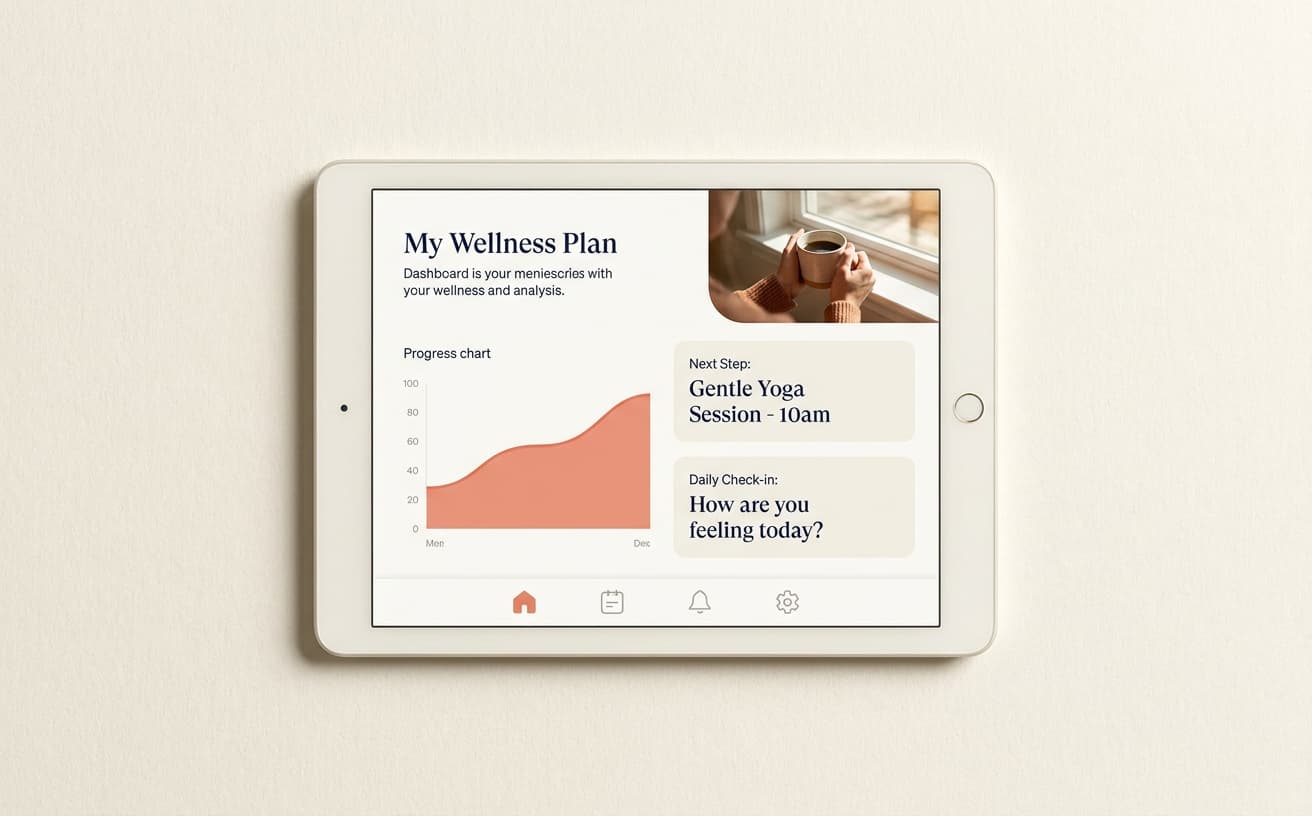
Carepath
TelehealthCarepath is care plan dashboard with soft coral on off-white. Considered in healthcare is the move that warms the procedural credibility without compromising the booking-flow utility.
See the archetype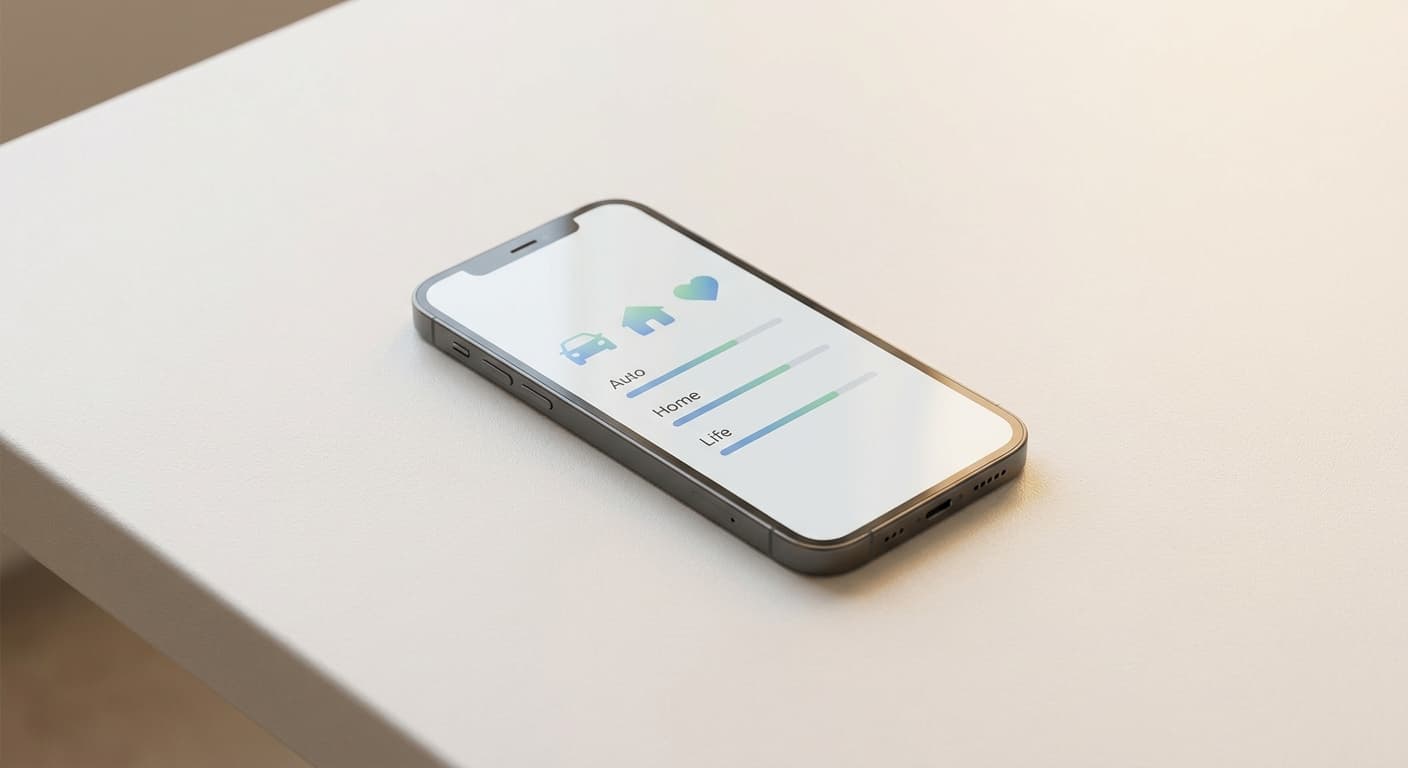
Cover
Direct-to-consumer insuranceCover sits between Functional and Considered; the storytelling surfaces lean Considered. Phone-mockup hero, transparent pricing with the math shown. The Considered touches differentiate from the wholly-utilitarian competitors.
See the archetype
Hounder
DTC dog foodHounder is warm DTC pet brand. Considered sensory at the consumer-DTC register; the design choices warm the polished convention without crossing into Maximalist.
See the archetype
Common Hand
Heritage menswearCommon Hand is heritage menswear. Cormorant Garamond and Inter, typography that respects the discipline. Considered sensory is what lets heritage cues read as contemporary craft rather than period costume.
See the archetype
Prospect
Home decor and craft objectsProspect is catalog-grade home brand. Source Serif and IBM Plex Sans, restrained palette. Considered sensory is what supports the museum-gift-shop register without crossing into precious.
See the archetype
Curve
Playful furniture and objectsCurve is candy-colored furniture. Considered sensory at the playful register; the calibration is what lets the maximalist palette feel coordinated rather than chaotic.
See the archetypeCarepath
TelehealthCarepath stays at Considered through the booking flow even as the hero leans Functional. The split is intentional: Considered is the enclosing register for the relationship while Functional is the local register for the task.
See the archetype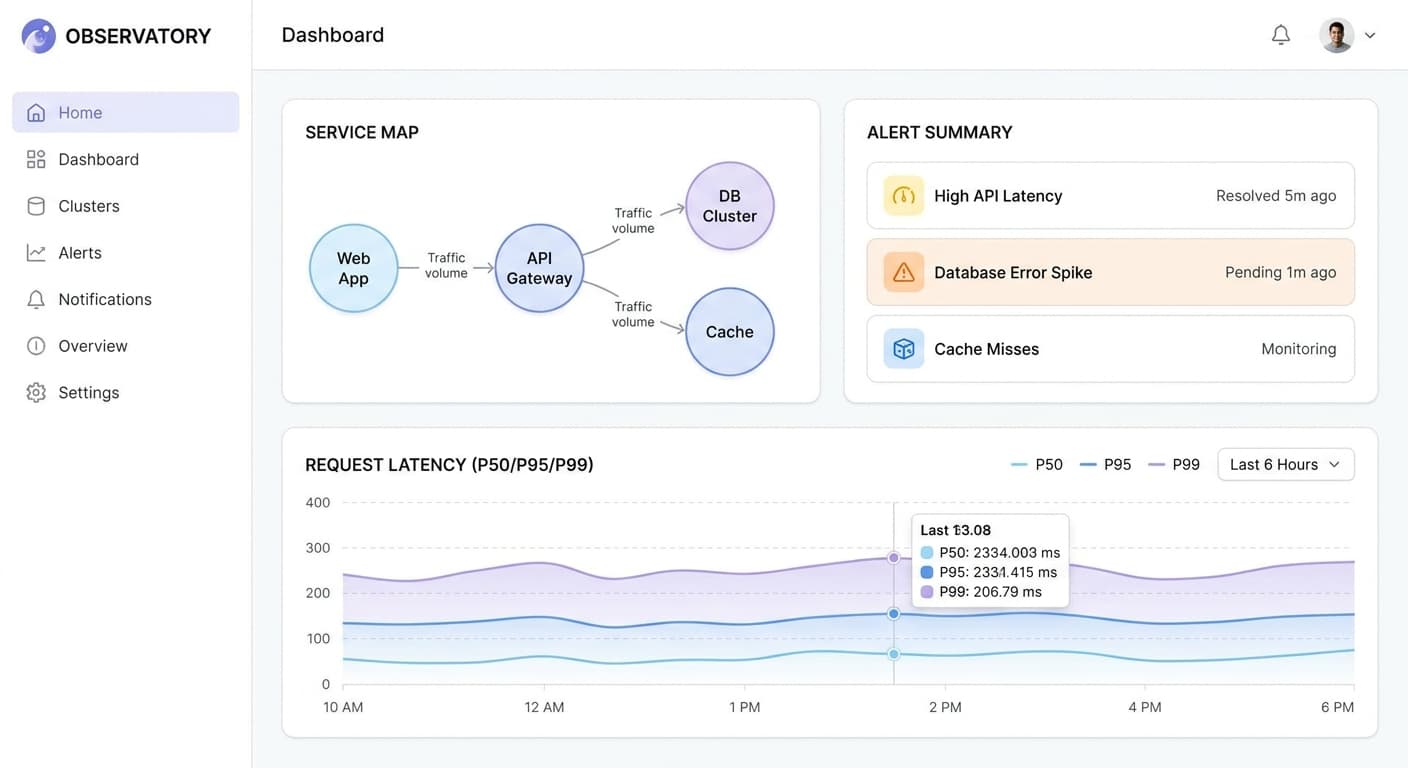
Observatory Standard
Observatory Standard is the canonical Considered anchor at the modern B2B SaaS register inside the framework. Polished, balanced, expected. The position is the floor that the convention assumes.
See the archetype
Observatory Editorial
Observatory Editorial is Considered at the documentation register. Source Serif and Geist, restrained palette, generous whitespace. The aesthetic is calibrated to be visible; the demonstration is the editorial register itself.
See the archetype
How Considered composes with the other axes
Considered pairs across the full range of tones and aesthetics. With Editorial Restrained it produces the premium-craft register (Hewn, Counsel, Studio, Editorial). With Polished Standard it produces the modern-B2C-SaaS register (Carepath, Cover, Hounder, Standard). With Expressive Maximalist it produces the playful-curatorial register (Curve, Companion).
On the relationship axis, Considered is the most flexible sensory position. It pairs with Authority (Counsel, Prospect, Plan), Peer (Hewn, Studio, Editorial, Standard, Workshop), Companion (Carepath, Hounder, Companion, Curve), and Coach (the rarer Hexa variant). The position is the connective tissue of the showcase.
Failure patterns
How Considered fails
Concrete patterns to watch for when adopting the position. These are the failure modes the position has to guard against, in order of how often they appear in the wild.
Failure pattern 1
Precious
Treating every page as a treasure to be slowly unwrapped competes with the product. The brand is asking the buyer to evaluate what is being sold, not the wrapping; Considered that crosses into precious privileges the wrapping. The fix is to tighten the design's role: visible craft, not staged craft.
Failure pattern 2
Over-designed without governance
Adding deliberate touches without a system that governs them produces work that has many small good choices that do not cohere. The position rewards calibration; uncoordinated additions read as a brand that has paid attention but not made decisions.
Failure pattern 3
Drifting into Resonant by accident
Considered choices that escalate to atmospherically loaded design have moved toward Resonant without the brand intending the move. Resonant is a different position with different costs; it requires the brand to engineer specific feelings rather than demonstrate craft. The drift produces work that reads as overreach.
Failure pattern 4
Mistaking Considered for the safe premium default
Brands that arrive at Considered because it feels expensive, rather than because the position serves the brand, miss the discipline. Considered is calibration; calibration requires decisions about what the brand will and will not do. Adopting the position without those decisions produces work that looks Considered without earning the signal.
References