Sensory axis · Position 3 of 3
Resonant sensory in Creative Direction
The feeling-engineered sensory position in the creative direction framework. The brand makes the reader feel something specific.
Resonant is the design that engineers a specific feeling, knowing the engineering has to be invisible to land.
What Resonant is
Resonant is the most ambitious position on the sensory axis. The aesthetic engineers a specific feeling: aspiration, hunger, atmosphere, urgency, tension, belonging. Where Functional asks aesthetic to serve utility and Considered asks aesthetic to demonstrate craft, Resonant asks aesthetic to produce a feeling the reader carries away from the page. The position is what most editorial brands, narrative brands, hospitality brands, and culture-led brands aspire to.
The position is hard to execute. The engineering has to be invisible: the moment the reader notices the brand is trying to make them feel something, the position fails. Resonant succeeds when the page's atmosphere lands as if it were inevitable, as if the brand and the feeling were the same thing. Brands that get Resonant right invest in the small atmospheric choices, the photography, the typography weight, the motion timing, the color temperature, that compound into a unified register the reader experiences as mood rather than as effort.
When Resonant fits
Resonant fits brands whose value to the buyer is partly the feeling the brand produces. Luxury real estate (aspiration), fine dining (hunger and ceremony), fashion drops (cultural urgency), AI launches (the feeling of the future), boutique hotels (place and slowness), indie game launches (the world the game lives in), tech conferences (event energy). The buyer is paying for the feeling as much as for the product, and the page is part of the feeling.
The position also fits brands at the highest conviction tier, where the brand's claim is that the buyer should feel something specific about the category that the category does not currently make them feel. A premium EV brand making the reader feel that engineering is art; a music streaming service making the reader feel that listening is a relationship. Resonant is the position that operationalizes the claim through the page itself.
What Resonant rejects
Resonant is not melodrama. The position rejects the manipulation that signals the brand is trying to make the reader feel something rather than letting the feeling land. A site that announces "this will move you" through heavy-handed photography, swelling motion, or overwrought copy ends up doing the opposite; the reader's defenses go up and the feeling does not land.
The position also rejects the use of atmosphere as decoration. A brand that loads atmospheric cues without actually engineering them into a unified register produces work that feels staged. The discipline is calibration: every atmospheric choice has to commit to the same feeling, and the choices have to compound rather than compete. Resonant is the most-orchestrated position on the sensory axis, and the orchestration has to be invisible.
Examples in the showcase
11 archetypes that demonstrate Resonant
Resonant is the most-populated position alongside Considered. The archetypes below cover real estate, fine dining, fashion drops, AI launches, indie games, conferences, hotels, premium audio, and the framework's canonical Resonant references.

Estate
Luxury real estateEstate engineers aspiration. Single full-bleed property hero per page, slow Ken Burns motion on architecture, generous serif typography. Resonant is the position that makes $5M residential feel like a museum visit.
See the archetype
Pass
Fine dining groupPass engineers hunger and ceremony. Edge-to-edge dish hero, dish stories that read as field notes, dark warm base. Resonant is what makes the kitchen's perspective land as appetite rather than as menu copy.
See the archetype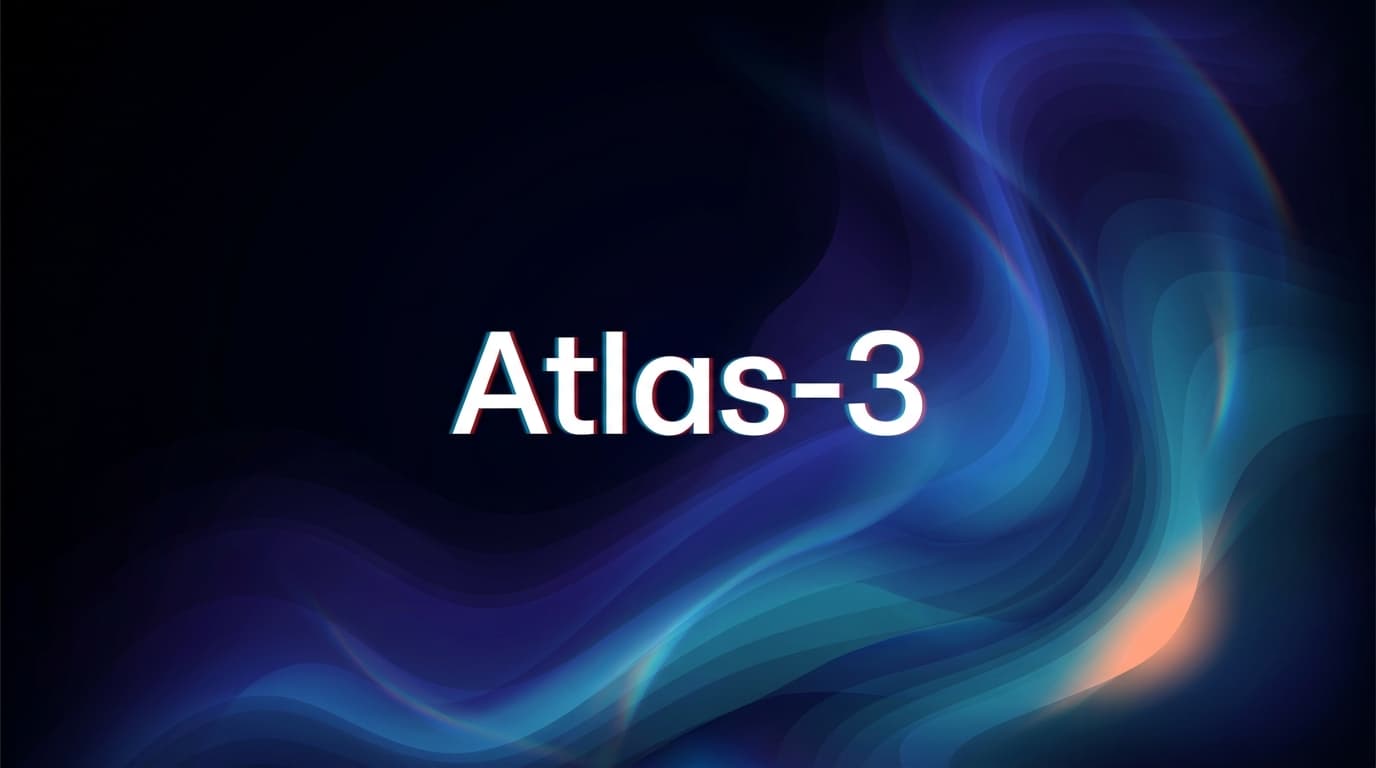
Frontier
AI research labFrontier engineers the feeling of the future. Animated gradient mesh, RGB shift on the wordmark, equal-weight safety section. Resonant is what makes the model launch feel like a position rather than an announcement.
See the archetype
Vector
Offensive securityVector engineers the operator-side feeling. Terminal-styled hero, scan lines, code-rain background. Resonant in cybersecurity is the move that signals the firm has been on the operator side of the boundary.
See the archetype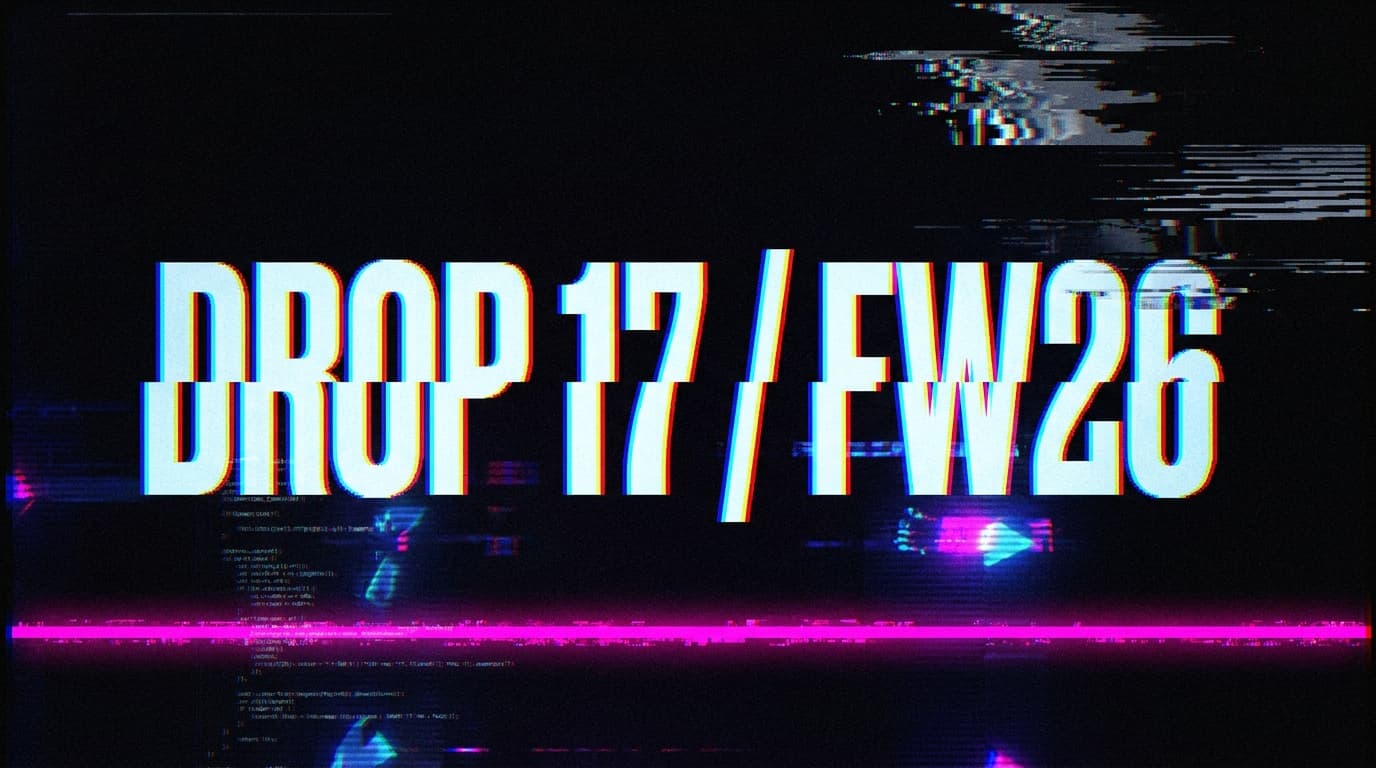
Drop
Limited-edition fashionDrop engineers cultural urgency without urgency copy. Heavy kinetic typography, ticker marquee, sold-out artifacts preserved in the archive. Resonant is the position that makes the drop part of the artifact.
See the archetype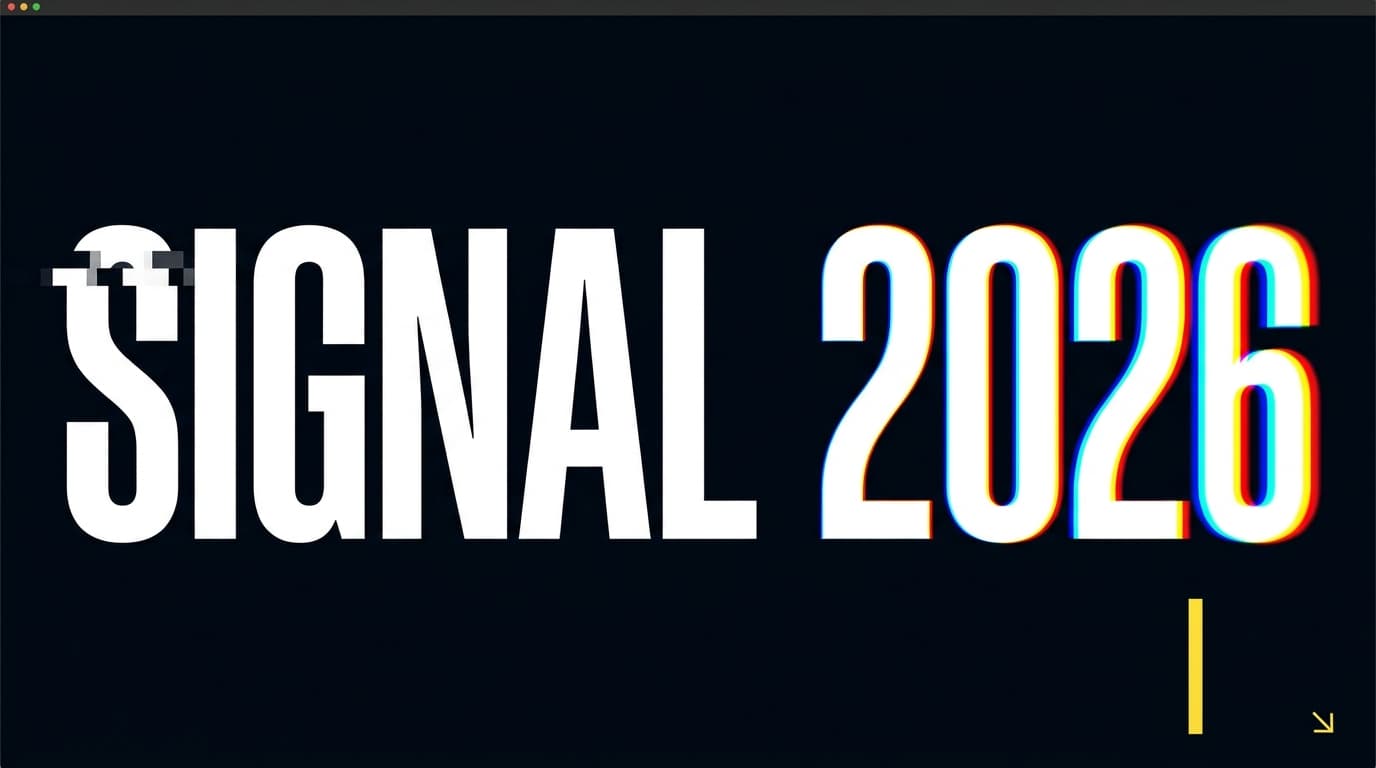
Signal
Tech conferenceSignal engineers event energy. Massive kinetic headlines, glitched countdown, scroll-jacked transitions. Resonant is what makes the conference site preview the experience rather than describe it.
See the archetype
Vault
Indie game launchVault engineers world atmosphere. Cinematic glitch reveals, parallax-stacked hero, dev diary entries written as found journal text. Resonant in indie games is what lets the launch site exist as part of the game's world.
See the archetype
Lantern
Boutique hotelLantern engineers slowness and place. Atmospheric photography, slow parallax, golden-hour palette, sensory copy. Resonant is the position that makes the boutique hotel land as a stay rather than as a transaction.
See the archetype
Anode
Premium electric vehiclesAnode engineers the feeling of engineering as art. Cinematic, declarative, no qualifiers. Resonant with Editorial Restrained aesthetic is what permits the manifesto-adjacent register to land.
See the archetype
Pulse
Music streamingPulse engineers listening as relationship. Audio waveforms that pulse with scroll, gradient hero that shifts color. Resonant with Companion relationship is what makes the platform feel like a presence in the listener's day.
See the archetype
Observatory Cinema
Cinema is the canonical Resonant anchor inside the framework. Treats the product like a film. Atmospheric, narrative, restrained UI, credit-rolled. Resonant is the entire reason the archetype exists.
See the archetype
How Resonant composes with the other axes
Resonant pairs most often with Editorial Restrained (Estate, Pass, Lantern, Anode, Resonance, Cinema) or Expressive Maximalist (Frontier, Drop, Signal, Vault, Drift, Vector, Pulse, Forge, Press). The two pairings produce different paths to resonance: Editorial Restrained engineers atmosphere through restraint, while Expressive Maximalist engineers atmosphere through density.
On the relationship axis, Resonant sits with Authority at the institutional / prestige end (Estate, Pass, Anode, Resonance, Cinema, Press) and with Companion at the world-building end (Vault, Pulse, Lantern). Resonant with Peer (Drop, Signal, Drift) operates at the cultural-object register; Resonant with Coach (Forge, Performance) operates at the demand-as-feeling register.
Failure patterns
How Resonant fails
Concrete patterns to watch for when adopting the position. These are the failure modes the position has to guard against, in order of how often they appear in the wild.
Failure pattern 1
Melodrama
Heavy-handed atmospheric cues, swelling motion, overwrought copy that announces "this will move you." The reader registers the staging immediately and the feeling does not land. Resonant succeeds when the engineering is invisible; melodrama is the failure of making the engineering visible.
Failure pattern 2
Manufactured emotion
Atmospheric choices that have not been calibrated to a specific feeling produce mood without point. The reader leaves the page having been gestured at rather than addressed. Resonant requires the brand to know which specific feeling it is engineering and to commit every choice to that feeling.
Failure pattern 3
Atmosphere as decoration
Loading atmospheric cues onto a page without integrating them into a unified register reads as effort without composition. The position rewards orchestration: every choice supports the same register. Decorative atmosphere reads as a brand trying on a feeling rather than living in one.
Failure pattern 4
Resonant claim, Considered execution
A brand that intends Resonant but executes at Considered produces a page that is well-crafted but does not land emotionally. The gap is the failure mode. The fix is usually to commit harder: more atmospheric photography, slower motion, tighter color, less copy. Resonant requires the brand to take the position seriously enough to over-invest in the register.
References