Tone axis · Position 4 of 4
Provocative tone in Creative Direction
The pointed, opinionated tone of the creative direction framework. Willing to take positions other brands won't.
Provocative is the tone that picks a fight with the category, knowing some readers will leave.
What Provocative is
Provocative is the tone of brands that have decided alignment is more valuable than reach. The voice takes positions, names enemies (sometimes implicitly, sometimes by category), and refuses the consensus tone of the field it competes in. Where Professional anchors the floor and Conversational widens the audience, Provocative narrows the audience on purpose. The reader either recognizes the brand's worldview as their own and converts immediately, or they bounce. Both outcomes are wins for the position.
Provocative is not edginess. Edginess is the pose of disagreement without an actual position behind it. Provocative requires a substantive disagreement with the category convention and the willingness to defend it on the page. Brands that get Provocative right have something specific they believe and structure the entire site to make that belief legible. The voice is the carrier; the position is the cargo.
When Provocative fits
Provocative fits brands competing in categories where the consensus voice is interchangeable and the buyer is sophisticated enough to recognize the consensus as a tell. Cybersecurity firms differentiating from Big Four advisory; AI labs differentiating from generic frontier-tech marketing; design studios differentiating from agency-template voice; streetwear differentiating from chain retailers; conferences differentiating from corporate-event circuit. The audience is allergic to marketing-led voice and reads conviction as table stakes.
The position also fits brands at a stage where the founders are the brand and pretending otherwise would lose the audience that already follows the founders. A studio of fourteen designers should not write like a holding company. A boutique law firm with a litigation reputation should not file marketing copy. Provocative is the tone that admits the brand is the people, and that the people have positions.
What Provocative rejects
Provocative is not disagreeable. The position rejects performative directness, the contrarian-for-its-own-sake register, and the trick of staking out an extreme position with no plan to defend it. The reader can tell when conviction is real and when it is theater, and the brand that mistakes the second for the first will lose the audience it most wanted to convert.
The position also rejects the assumption that being loud and being Provocative are the same. Provocative copy can be quiet (Studio is the canonical example). What it cannot be is hedged. A Provocative brand that walks back its claims in fine print is operating at a different position; it is calling itself Provocative without doing the work the position requires.
Examples in the showcase
9 archetypes that demonstrate Provocative
Provocative is the most-populated position in Wave 2 and Wave 3 of the showcase because the gap in the original 30 archetypes was concentrated here. The archetypes below show the range, including the deliberate pedagogical exception (Studio) that demonstrates Provocative does not require Maximalist aesthetics or HIGH motion.

Vector
Offensive securityVector is operator-to-operator. Technical writing that does not soften, terminal-styled hero, redacted client logo strip rather than a trust-badge wall. The Provocative tone is the position that lets the firm signal it has been on the operator side of the boundary.
See the archetype
Frontier
AI research labFrontier is manifesto-adjacent without crossing into hype. Declarative about progress, careful about safety, equal weight to both. The Provocative tone is what permits the launch to feel like a position rather than an announcement.
See the archetype
Drop
Limited-edition fashionDrop is collector-to-collector. Low-tone, no urgency copy, makers' vocabulary. The Provocative position is the move that lets the brand exist as part of the artifact rather than the gatekeeper of the artifact.
See the archetype
Fieldwork
Brand and product design studioStudio is the deliberate pedagogical exception in the showcase. The only LIGHT-motion archetype with Provocative tone. The studio's position is restrained on the page but pointed in voice; the work argues for the studio's worldview through prose, not chrome.
See the archetype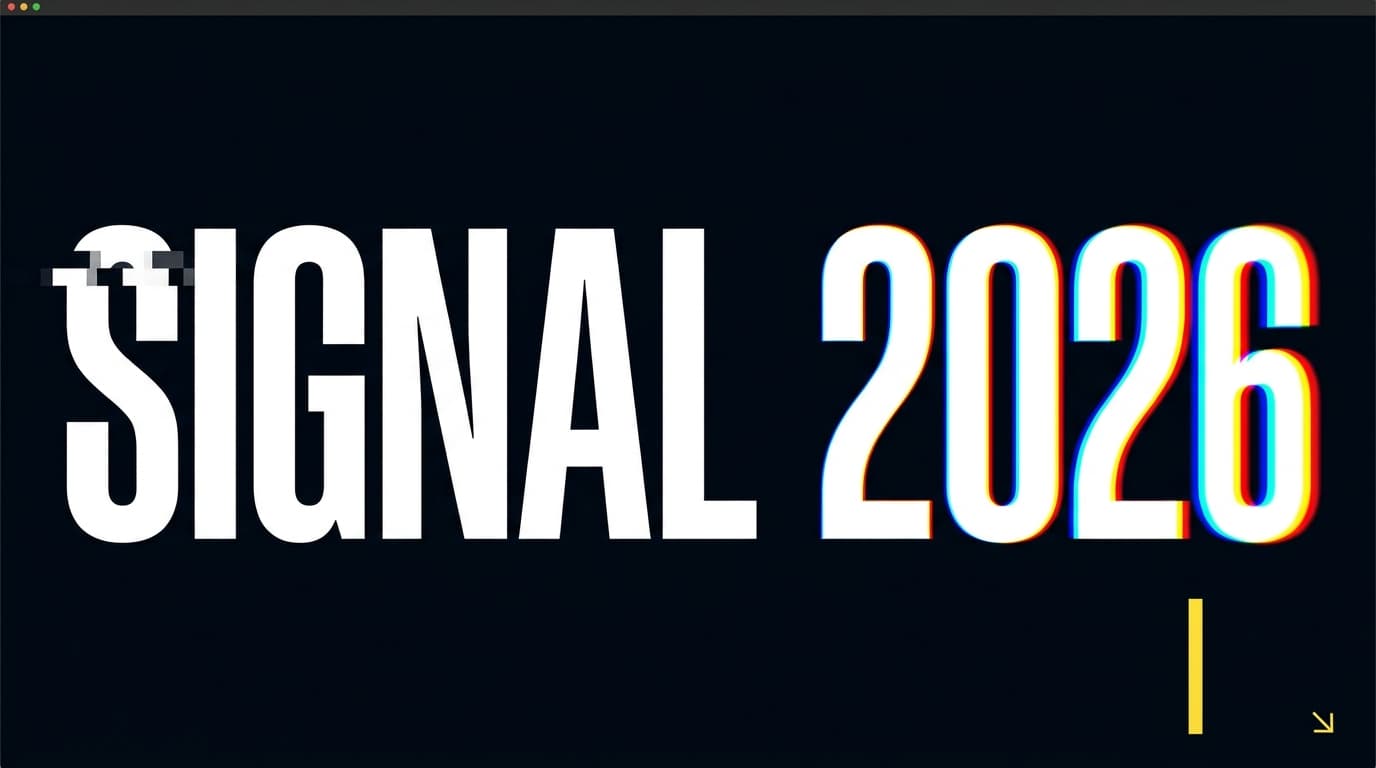
Signal
Tech conferenceSignal is industry-fluent, peer-to-peer, irreverent. A conference site that reads like a manifesto with a schedule attached. The Provocative tone is what makes ticket sales follow brand confidence rather than the other way around.
See the archetype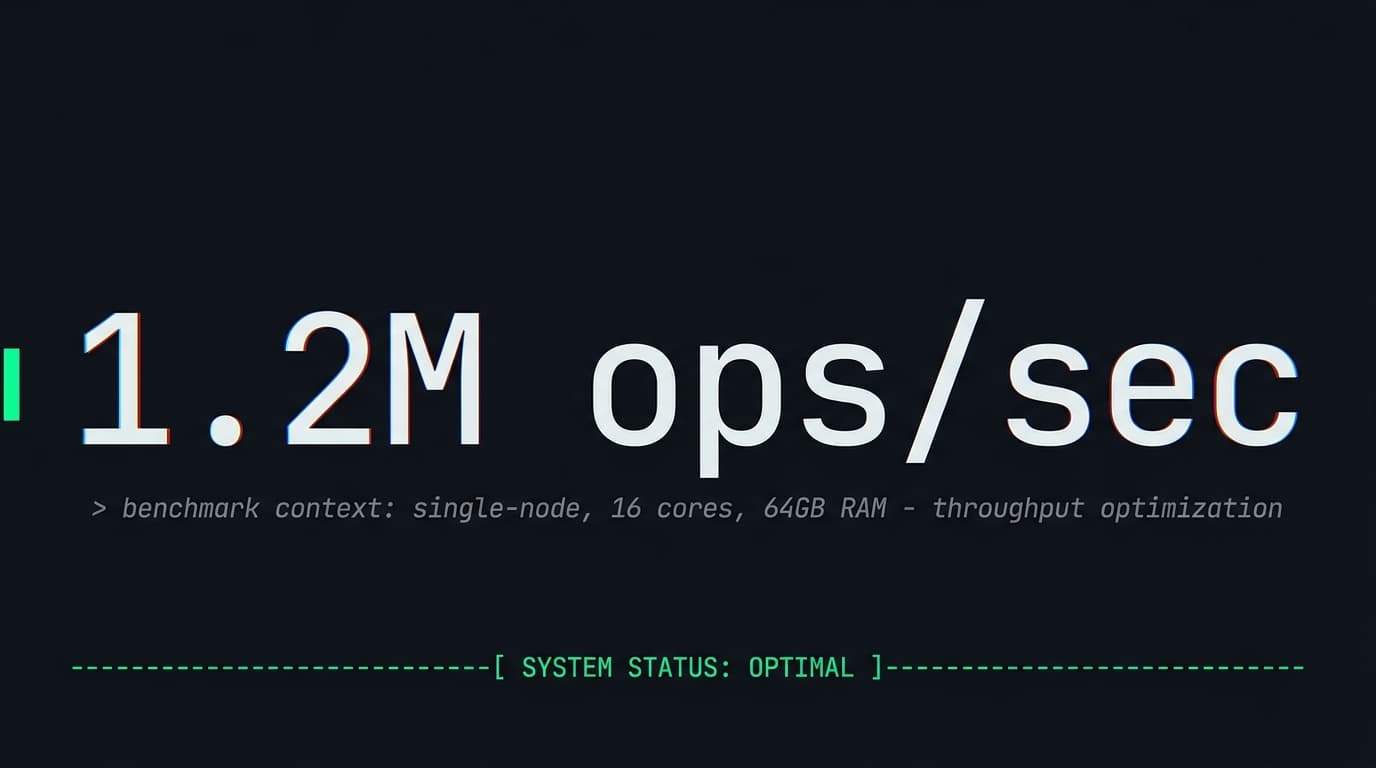
Edge
Systems-level developer toolEdge is operator-to-operator with benchmark numbers as the visual hero. Code-first, no marketing language. The Provocative position differentiates the tool from the systems-vendor pattern of trusted-by logos and abstract platform diagrams.
See the archetype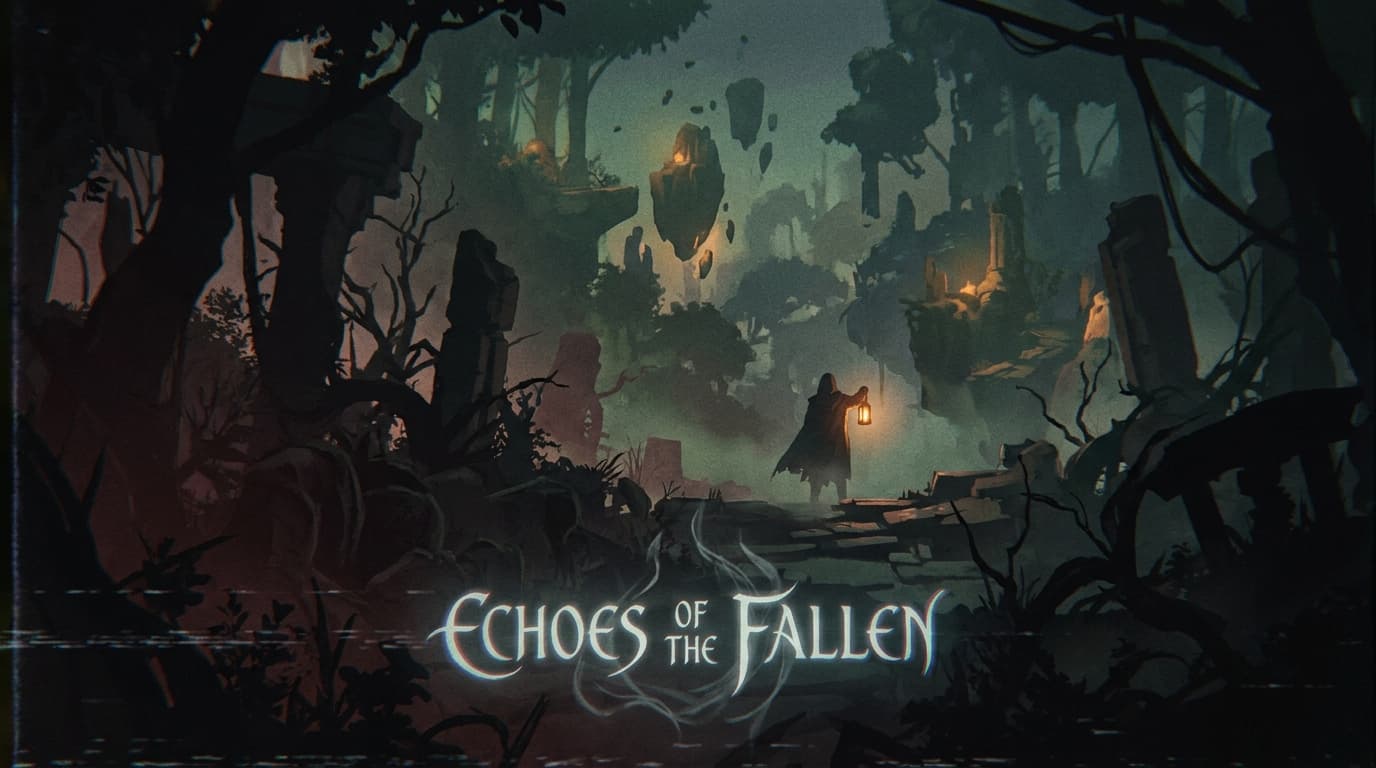
Vault
Indie game launchVault is in-world, found-text, journal-cadenced. The Provocative tone is what lets the indie game launch site exist as part of the game's atmosphere rather than as marketing about it.
See the archetype
Anode
Premium electric vehiclesAnode is declarative, manifesto-adjacent, no qualifiers. A premium EV that treats engineering as art on the page. Provocative is what lets the brand take positions without the futurism reading as nostalgia.
See the archetype
Observatory Performance
Performance is the canonical Provocative anchor in the framework. Manifesto with a product attached, willing-to-lose-readers, structurally numbered. The position is the floor of how Provocative works inside the framework.
See the archetype
How Provocative composes with the other axes
Provocative pairs most often with Expressive Maximalist on the aesthetic axis (Vector, Frontier, Drop, Signal, Edge, Vault, Anode, Drift). The combination is high-conviction visual and verbal energy. The pedagogical exception is Studio, which pairs Provocative with Editorial Restrained: the contrast is itself a statement that Provocative does not need Maximalist scaffolding.
On the relationship axis, Provocative sits with Authority (Vector, Frontier, Anode, Cinema), Peer (Drop, Studio, Signal, Edge, Drift), or Coach (Performance, Forge, Pacer, Volt). Provocative with Companion is rarer and is the Vault move: a launch site that invites the player into a world rather than lectures them about it.
Pedagogical exception
The Studio pedagogical exception
Studio is intentionally placed at LIGHT motion, Provocative tone, Editorial Restrained aesthetic. It is the only LIGHT archetype in the showcase with Provocative tone. The placement teaches a structural point about the framework: Provocative is not a synonym for HIGH motion or Expressive Maximalist aesthetics, even though those positions cluster together in practice.
Studio's site argues for the studio's worldview through restraint. Generous case study layouts, opinionated essays integrated into the work surface, asymmetric type system, no portfolio-grid hero. The conviction lives in the prose; the layout refuses to compete with the studio's actual work. The exception exists because brands at the design-studio tier need to demonstrate craft through their own discipline, and a Provocative-Maximalist treatment would distract from the work the studio is showing.
Failure patterns
How Provocative fails
Concrete patterns to watch for when adopting the position. These are the failure modes the position has to guard against, in order of how often they appear in the wild.
Failure pattern 1
Provocation without substance
The most common failure is staking out an aggressive tone with nothing under it. The reader registers the gap immediately and the brand reads as posing. The fix is harder than tightening the copy: the brand needs an actual disagreement with the category to write into.
Failure pattern 2
Performative directness
Provocative copy that performs being unfiltered while carefully optimizing for engagement is a different position; closer to a content strategy than a brand voice. The reader can tell when the directness is real and when it is staged. Performative directness ages worse than honest hedging.
Failure pattern 3
Mistaking volume for conviction
All-caps, exclamation-stacked, every-paragraph-a-manifesto register reads as someone trying to win an argument the brand has not actually made. Provocative is precise. It lands harder when most of the page is restrained and the position lives in a single sentence the reader cannot miss.
Failure pattern 4
Treating Provocative as edginess for its own sake
Brands that adopt Provocative because the category convention is boring, without identifying what specifically they disagree with, end up with copy that reads as anti-anything. The position rewards specificity. The brand is for something; the things it is against are downstream of that.
References