Tone axis · Position 3 of 4
Playful tone in Creative Direction
The wit-driven tone of the creative direction framework. Surprise, comic timing, willingness to break form for effect.
Playful is willing to risk the reader missing the joke, because the alternative is writing that nobody remembers.
What Playful is
Playful sits two steps off Professional on the tone axis. The voice is willing to surprise the reader. It uses unexpected phrasing, leaves space for a joke, and treats the page as a place where the writer is allowed to enjoy the writing. Playful is the tone of brands that have decided being remembered matters more than being safe, and that the audience can tell the difference between a brand having fun and a brand performing fun.
Done well, Playful is precise. The funniest copy on the internet is also the most edited. Playful that reads as effortless almost always took several passes to get right; the throwaway line at the end of a paragraph is rarely a throwaway. The position rewards brands willing to invest in voice as a craft and punishes brands that confuse Playful with random.
When Playful fits
Playful fits categories where the buyer is making a discretionary choice and personality is part of the purchase. Adaptogenic sodas, dopamine beauty, dog food at the consumer-DTC tier, indie tooling that competes on developer affinity. Categories where the alternative brands take themselves very seriously and a willingness to be funny becomes the differentiator. Brands that make the buyer want to share the page with a friend before the buyer even decides to buy.
The position also fits brands whose audiences are sophisticated enough to read Playful as a signal of confidence rather than as a lack of seriousness. A developer tool that allows itself to be funny in its launch copy is making a bet that its audience will read the humor as evidence the team is comfortable with the discipline. The bet pays when the audience is in fact that audience.
What Playful rejects
Playful is not zany. The position rejects randomness, non-sequiturs deployed as if they were jokes, and the assumption that volume of attempts will produce humor on average. Playful copy is funny because it is precise; copy that is trying to be funny without precision reads worse than the boring alternative.
The position also rejects topical references with a short shelf life, jokes that depend on a meme that will date in six months, and the broader category of cleverness deployed in place of substance. A Playful brand whose copy is all wit and no claim is harder to recall than a Professional brand whose copy is all claim, even if the Playful brand reads better in the moment.
Examples in the showcase
8 archetypes that demonstrate Playful
Playful is among the smaller-population positions in the showcase because the discipline is hard to sustain. The archetypes below show the range: from food and beverage to riso-print zines to SaaS-with-a-voice.
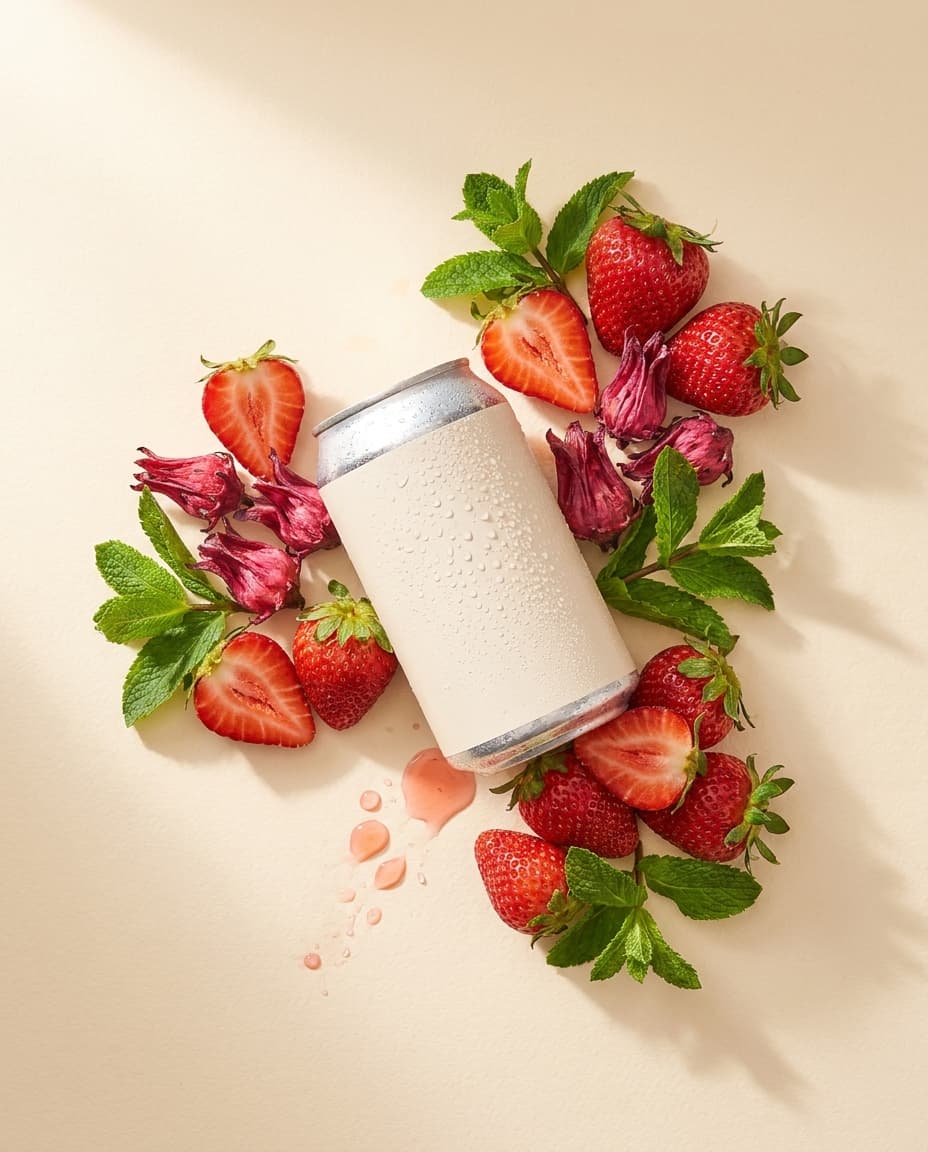
Bloom
Adaptogenic sodaBloom is warm, sensory, exclamation-friendly, food-poet. Playful here is the voice of a brand that knows soda is supposed to be enjoyable and refuses to act like a wellness supplement about it.
See the archetype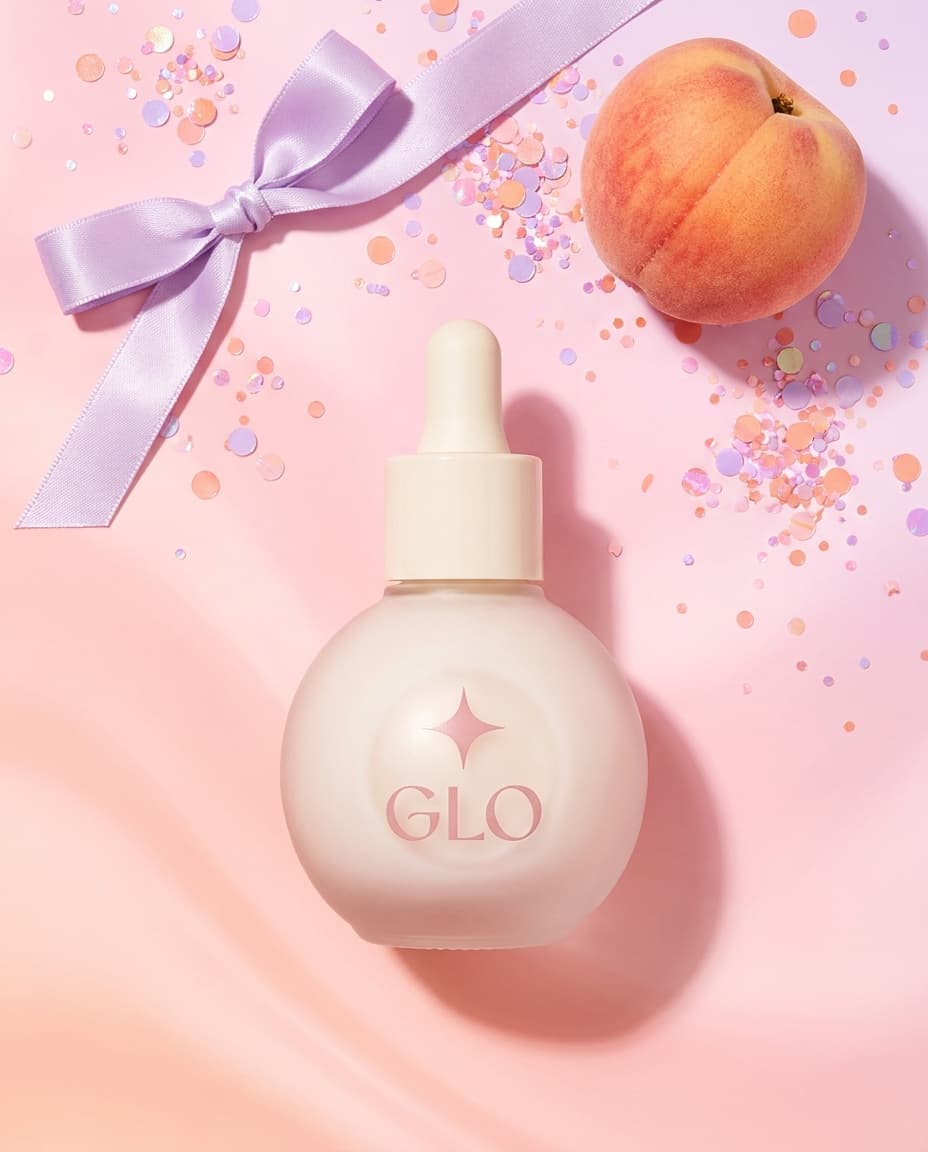
Glo
Dopamine beautyGlo is dopamine beauty by voice as much as by palette. Friend-talking, gen-z fluent, second-person. The Playful tone is the position that makes the saturated visual system feel earned instead of cynical.
See the archetype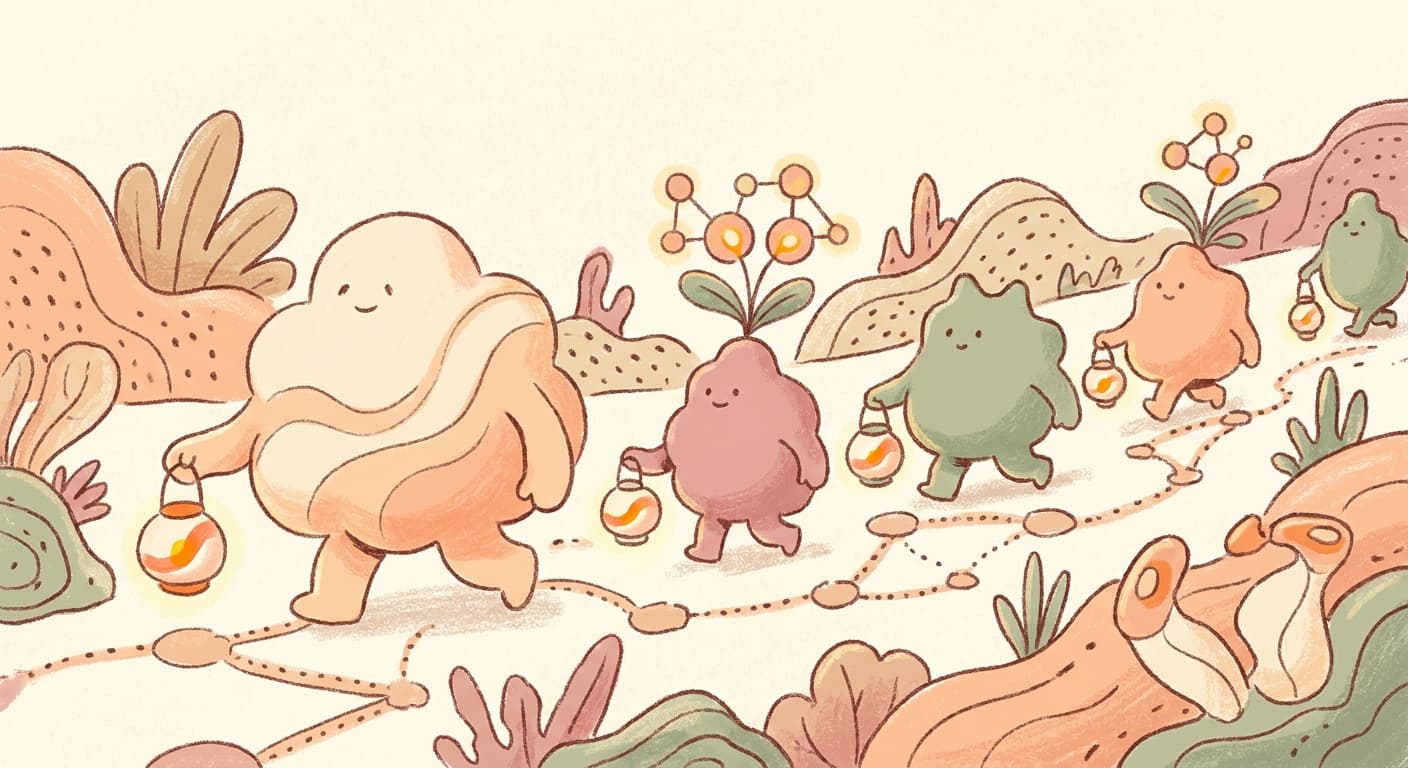
Observatory Companion
Observatory Companion is the warm-illustration archetype where Playful tone is what allows the calibrated maximalism not to read as overwhelming. Hand-written notes, signature marks, second-person address. The voice softens the visual density into intimacy.
See the archetype
Observatory Workshop
Workshop is the Playful tone deployed inside developer tooling. Dry-witty, runbook-aware, peer-to-peer. The position works because the audience reads the humor as a signal that the team has been on call long enough to have earned the jokes.
See the archetype
Observatory Loop
Loop is the Y2K-Geocities revival archetype where Playful goes all-in on retro reference. Marquee-friendly, all-caps, geocities-effusive. The tone is the move; without it, the visual nostalgia would feel like cosplay.
See the archetype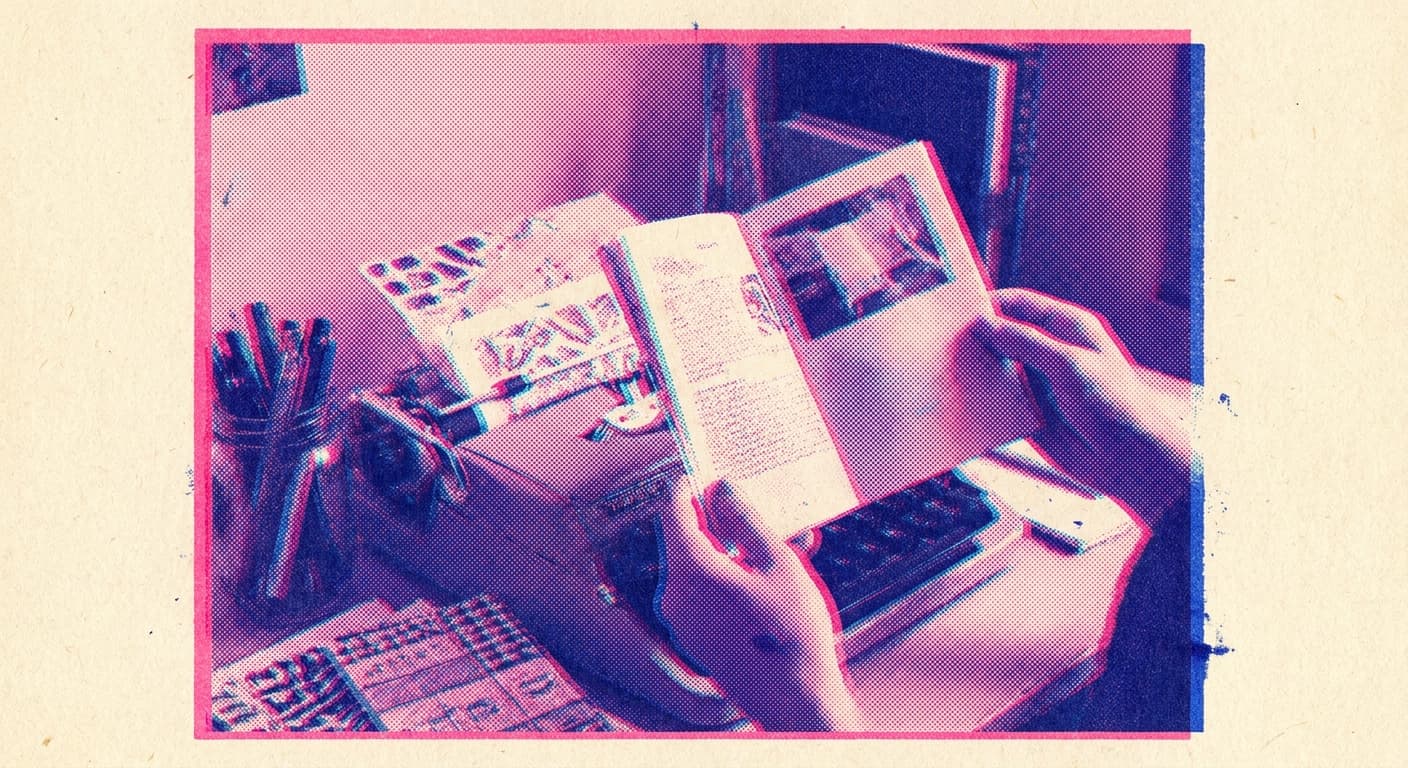
Observatory Print
Print is the riso-zine archetype. Edition-numbered, mailing-address-formal, two-color. Playful here is small-press humor: dry, specific, occasionally self-aware about being a piece of paper that decided to be a website.
See the archetype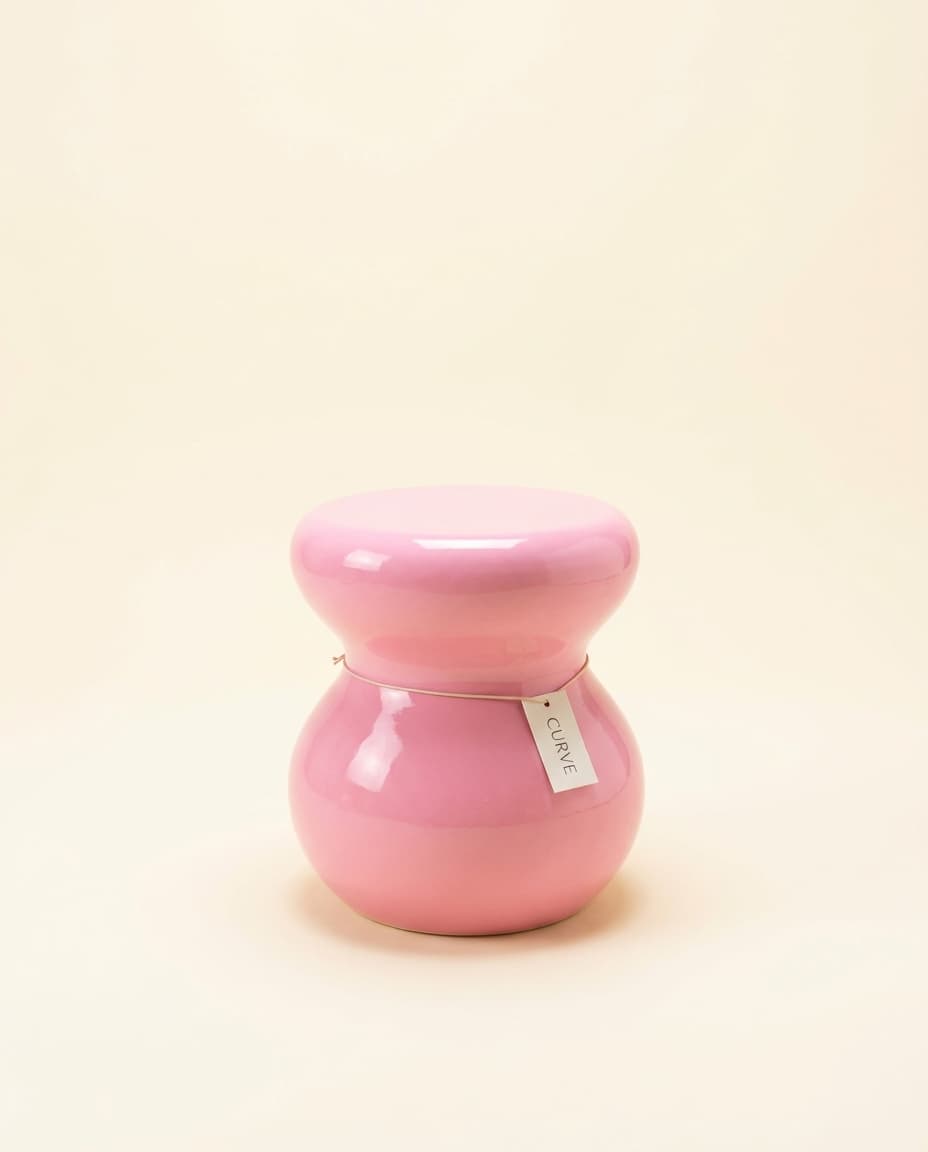
Curve
Playful furniture and objectsCurve is candy-colored furniture by voice and by palette. Curatorial-but-joyful, playful color stories, third-person about the pieces. Playful is the tone that lets the maximalist palette read as considered rather than overwhelming.
See the archetype
Pulse
Music streamingPulse is the music-streaming archetype where Playful tone supports the saturated, motion-rich visual system. Enthusiastic, music-literate, tastemaker. The voice is the bridge between the maximalist aesthetic and the Companion relationship.
See the archetype
How Playful composes with the other axes
Playful pairs most often with Expressive Maximalist on the aesthetic axis (Bloom, Glo, Observatory Companion, Pulse, Curve). The combination is high-energy across both visual and verbal registers. The contrast move is rarer but powerful: Playful tone with Editorial Restrained aesthetic produces work where the wit lives in the writing while the layout stays disciplined (closer to Workshop's pattern).
On the relationship axis, Playful sits naturally with Peer (Workshop, Observatory Loop) and Companion (Bloom, Glo, Observatory Companion, Pulse). Playful with Authority is rare and difficult to land; Playful with Coach almost always undercuts the Coach challenge.
Failure patterns
How Playful fails
Concrete patterns to watch for when adopting the position. These are the failure modes the position has to guard against, in order of how often they appear in the wild.
Failure pattern 1
Trying too hard
Playful copy that visibly strains for the joke reads worse than copy that did not attempt one. The discipline is the willingness to cut the line that almost worked. Brands that ship every attempt produce copy that feels like a comedian's open-mic notebook, not their set.
Failure pattern 2
Topical jokes that age in months
References to current memes, viral moments, or seasonal events bake an expiration date into the copy. The brand commits to maintaining the page, or the joke ages publicly. Brands that cannot commit to that maintenance should write Playful copy that does not depend on the current week's discourse.
Failure pattern 3
Cleverness over clarity
Headlines that prioritize the joke over the comprehension cost the brand the conversion. The cleverest line in a hero is the one the reader did not have to re-read to understand. Playful copy that reads as a riddle is failing the position from the wrong direction.
Failure pattern 4
Confusing Playful with no point of view
A brand that uses Playful tone to avoid taking positions reads as evasive, not as fun. The position requires conviction; the humor is the way the conviction lands without lecturing. Playful without a position is just chatter.
References