Aesthetic axis · Position 3 of 4
Controlled Maximalist aesthetic in Creative Direction
The engineered-density visual position in the creative direction framework. Visual abundance where every element is intentional.
Controlled Maximalist is loud by composition, not by accident. Every element has been earned.
What Controlled Maximalist is
Controlled Maximalist sits between Polished Standard and Expressive Maximalist on the aesthetic axis. The visual density is high, but the density is composed. Every element has been chosen and the relationships between elements are deliberate. The position reads as confident clutter: the page asks a lot of the reader because there is a lot worth showing, and the system has engineered the hierarchy that makes the abundance legible.
The discipline is that loud-by-engineering is fundamentally different from loud-by-default. A Controlled Maximalist site produces the impression of abundance through type scale contrast, color stories that are deliberately complete, and compositional rhythm that gives the eye places to rest. Expressive Maximalist permits more chaos. Controlled Maximalist permits the chaos to be readable.
When Controlled Maximalist fits
Controlled Maximalist fits brands competing on craft and conviction in categories where the buyer rewards visible investment in design. Music, audio hardware at the upper-mid tier, premium hospitality, design publications, complex product lines that need to demonstrate range. The visual abundance is the brand telling the reader the work behind the product is at the same level as the work behind the page.
The position also fits brands whose products themselves are dense (ranges of products, schedules, archives) and where flattening to a Polished Standard layout would lose the complexity. A music-streaming archive deserves a different aesthetic than a quote-flow form. Controlled Maximalist is the visual system that respects the density of the underlying material.
What Controlled Maximalist rejects
Controlled Maximalist rejects every-element-fights-syndrome: the visual mode where competing elements all demand attention and none lands. It rejects the assumption that volume of decoration produces craft on average. It rejects the trick of using density as a substitute for substance, where the page looks busy because the brand has nothing specific to say and is hoping the reader will not notice.
The position also rejects the noise-without-engineering register: the Maximalist treatment that has not invested in typographic hierarchy, motion timing, or color theory. The result is the same elements as a Controlled Maximalist site arranged with no governing system, which reads as overwhelming rather than as confident.
Examples in the showcase
5 archetypes that demonstrate Controlled Maximalist
Controlled Maximalist is among the smallest-population positions in the showcase because the discipline is hardest. The archetypes below all earn the density through engineering rather than default to it.

Pulse
Music streamingPulse is saturated music streaming. Audio waveforms that pulse with scroll, gradient hero that shifts color, neon-on-dark mood. The Controlled Maximalist aesthetic engineers the visual density into hierarchy that holds while the elements are in motion.
See the archetype
Common Hand
Heritage menswearCommon Hand sits closer to Polished Standard but earns Controlled Maximalist gestures through the layered editorial treatment of fabric biography. The density is in the storytelling, not the chrome.
See the archetype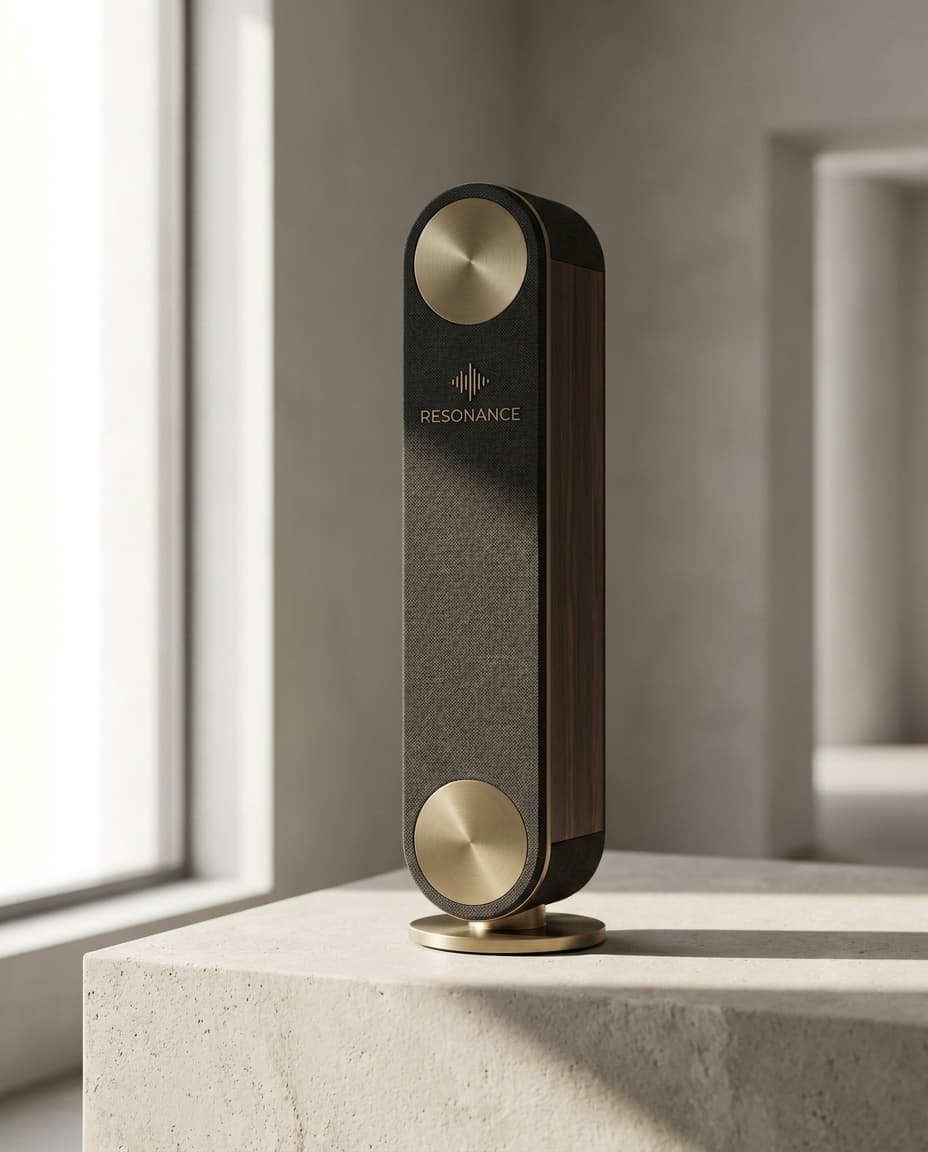
Resonance
Premium audio hardwareResonance pairs Editorial Restrained with Controlled Maximalist gestures through 3D product rotation and exploded-view detail shots. The density lives in the technical photography rather than the page system.
See the archetype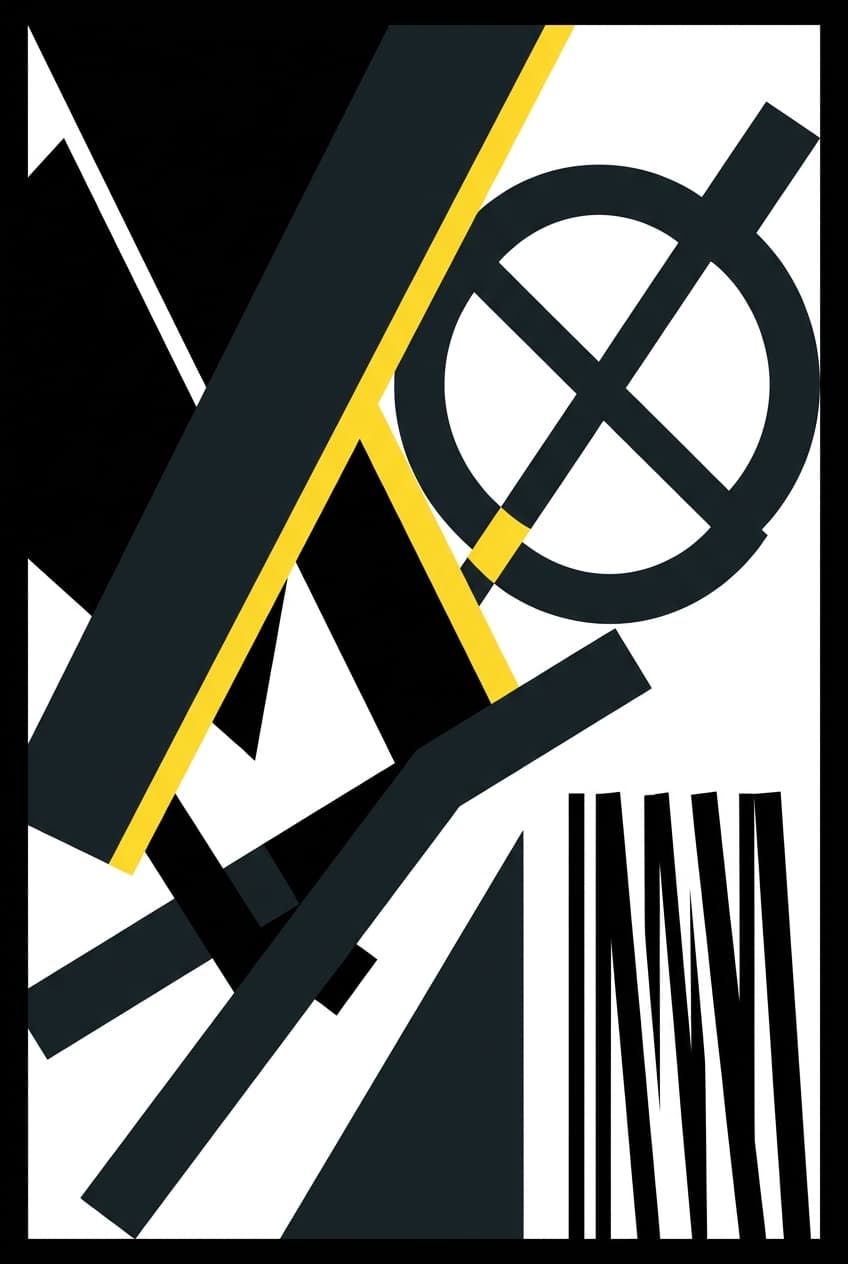
Observatory Performance
Performance is the canonical Controlled Maximalist reference inside the framework. Manifesto with a product attached, structurally numbered, high-contrast typographic composition. The density is engineered through the structural numbering and willingness to lose readers.
See the archetype
Lantern
Boutique hotelLantern earns Controlled Maximalist gestures through the layered atmospheric photography over slow parallax. The aesthetic is in the layering, even where the page system itself is restrained.
See the archetype
How Controlled Maximalist composes with the other axes
Controlled Maximalist pairs most often with Resonant sensory (Pulse, Resonance, Performance) and with Provocative or Playful tone. The combination is high-energy work where the brand is committing to a position that requires visible craft to land.
On the relationship axis, Controlled Maximalist sits with most positions. The combination with Coach (Performance) produces the manifesto-with-product variant. With Companion (Pulse) the density warms; with Authority (Resonance) the density signals premium expertise.
Failure patterns
How Controlled Maximalist fails
Concrete patterns to watch for when adopting the position. These are the failure modes the position has to guard against, in order of how often they appear in the wild.
Failure pattern 1
Noise without engineering
Adding elements without composing the relationships between them produces noise, not Controlled Maximalist. The engineering is what differentiates the position from Expressive Maximalist; without the engineering, the work falls into the latter without the conviction the latter requires.
Failure pattern 2
Trying to be loud without earning it
Controlled Maximalist signals the brand has invested in the work behind the page. Brands at a smaller scale that adopt the position without the investment produce work that reads as overstating itself. Polished Standard is usually the right floor for those brands.
Failure pattern 3
Mistaking density for intentionality
Density alone is not the position. Controlled Maximalist requires the density to be governed: type scale contrast that creates hierarchy, color stories that are deliberately complete, compositional rhythm that gives the eye places to rest. Density without governance is the failure mode.
Failure pattern 4
Losing readability in the pursuit of abundance
A Controlled Maximalist page that has crossed into illegible has stopped being Controlled. The discipline is at the seam: where the next element would tip the page into chaos, the position requires holding.
References