Relationship axis · Position 3 of 4
Companion relationship in Creative Direction
The walks-with-you relationship position in the creative direction framework. The reader is the protagonist; the brand walks alongside.
Companion is the brand making the reader the protagonist of their own story.
What Companion is
Companion sits between Peer and Coach on the relationship axis. The brand walks with the reader through whatever they are doing. The reader is the protagonist of the page; the brand is in support. Where Authority leads from the front and Peer stands beside, Companion takes the second seat: the page exists to support the reader's journey, and the brand's voice is calibrated to that supporting role.
The position is warmer than Peer without crossing into parasocial. The brand acknowledges the reader's situation, names the work the reader is doing, and offers the help the reader actually needs. The discipline is to stay in the supporting role: the brand does not become the protagonist, even when the brand is the one putting up the page. The reader's work is the foreground.
When Companion fits
Companion fits brands whose product is part of the reader's ongoing work or life: telehealth platforms helping patients manage care, indie games inviting the player into a world, music-streaming services scoring the listener's day, hotels framing the traveler's stay, performance running brands supporting the runner's training. The reader is doing something the brand is helping with; the page is part of that doing.
The position also fits brands whose audience values warmth without surrendering autonomy. The reader does not want to be lectured (Authority) or challenged (Coach), and Peer is too neutral for the role the brand is playing. Companion is the warmer half of the middle: the brand is in the relationship, not just adjacent to it.
What Companion rejects
Companion is not clingy. The position rejects parasocial register, over-emoting, the trick of substituting empathy for substance. A brand that says "we're here for you" without showing any specific form of help reads as marketing pretending to be a relationship. The reader can detect performed care.
The position also rejects the move of making the brand the protagonist while claiming to support the reader. Founder-as-hero copy at a Companion brand undercuts the position; the page should center the reader's situation and the brand's role in it, not the brand's origin story. Companion is structural, not just tonal.
Examples in the showcase
9 archetypes that demonstrate Companion
Companion anchors brands across categories where the reader is doing something ongoing and the brand is part of the doing. The archetypes below cover healthcare, gaming, hospitality, music, beverages, beauty, and consumer wellness.
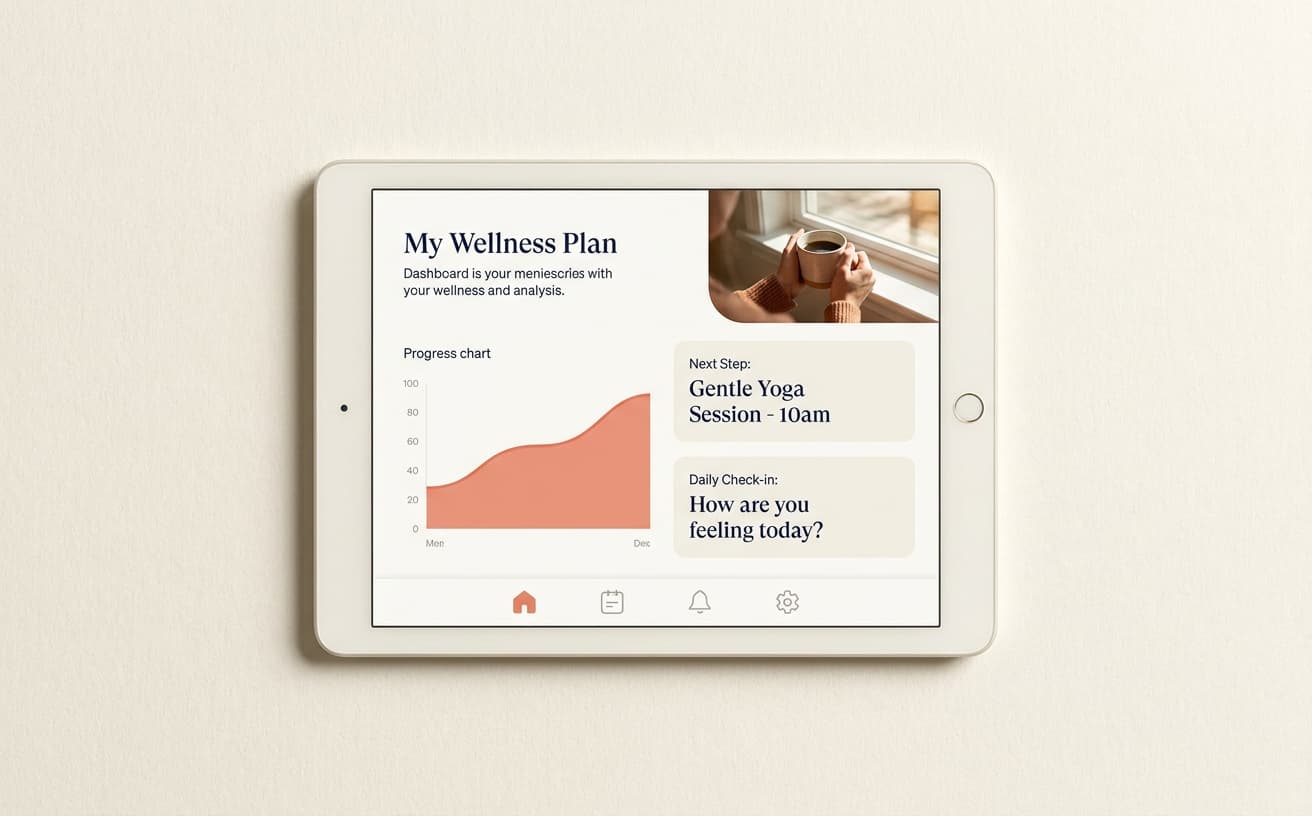
Carepath
TelehealthCarepath is calm telehealth. The patient is the protagonist of their own care; the platform is the supporting infrastructure. Companion is the relationship that lets healthcare feel like a partnership without crossing into theater.
See the archetype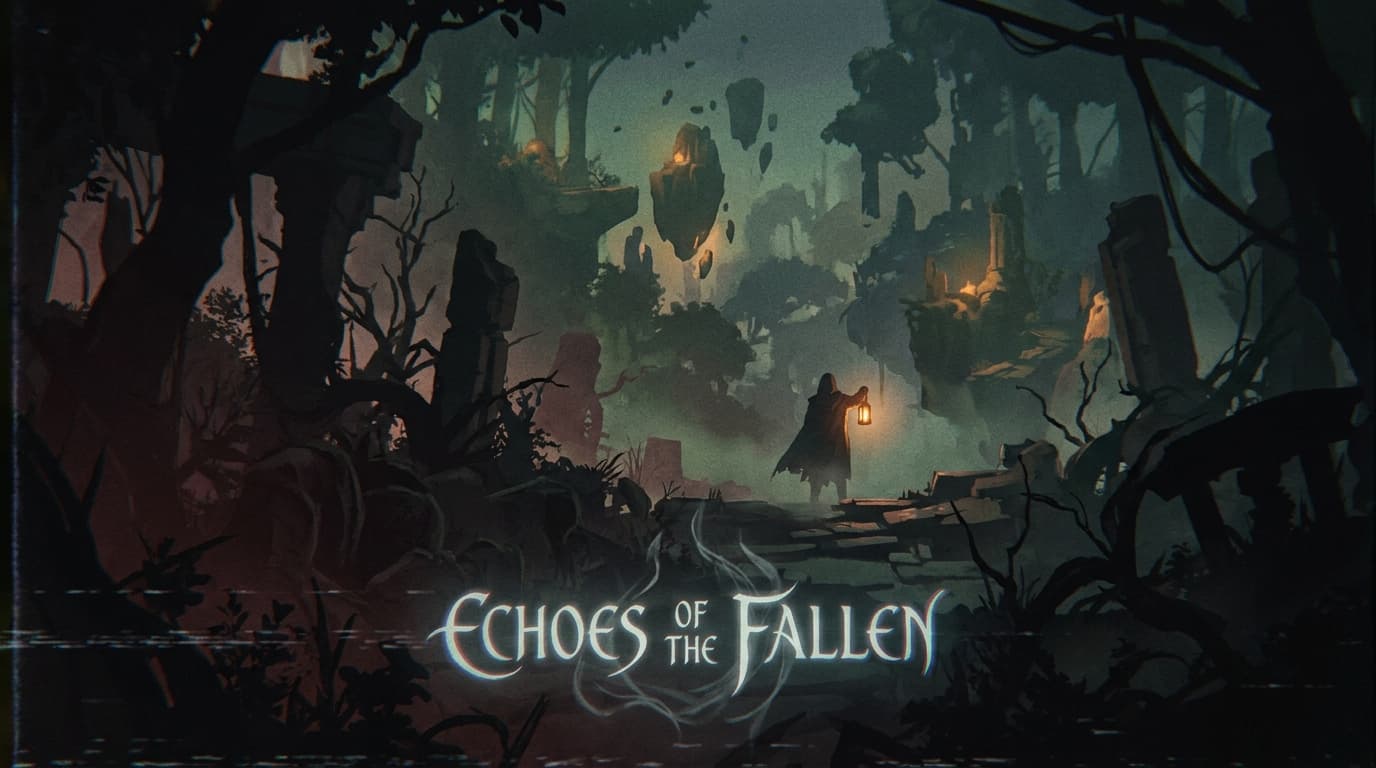
Vault
Indie game launchVault invites the player into a world. In-world prose, dev diary entries written as found journal text, pre-order tiers in atmosphere. Companion is the move that lets the launch site exist as part of the game's world.
See the archetype
Lantern
Boutique hotelLantern is cinematic boutique hotel. The traveler is the protagonist of the stay; the hotel is the setting and the helper. Companion with Conversational tone produces the Aman / Standard / Ace register.
See the archetype
Pulse
Music streamingPulse is saturated music streaming. The listener's day is the work the brand is part of. Companion in music is the position that lets the platform feel like a presence rather than a tool.
See the archetype
Bloom
Adaptogenic sodaBloom is warm, sensory, exclamation-friendly. The drinker is the protagonist of the moment; the soda is the small ritual the brand provides. Companion with Playful tone produces the friend-talking register.
See the archetype
Glo
Dopamine beautyGlo is dopamine beauty. The user is the protagonist of their own self-care; the brand is the warm friend in the bathroom. Companion is the relationship that supports the playful Maximalist palette.
See the archetype
Hounder
DTC dog foodHounder is dog-as-family voice. The family is the protagonist; the brand is the supplier of the food the family wants for the dog. Companion is the move that warms the polished consumer-DTC convention.
See the archetype
Curve
Playful furniture and objectsCurve is candy-colored furniture. The owner is the protagonist; the pieces are the joyful supporting cast. Companion with Playful tone is what makes the maximalist palette feel like an invitation.
See the archetype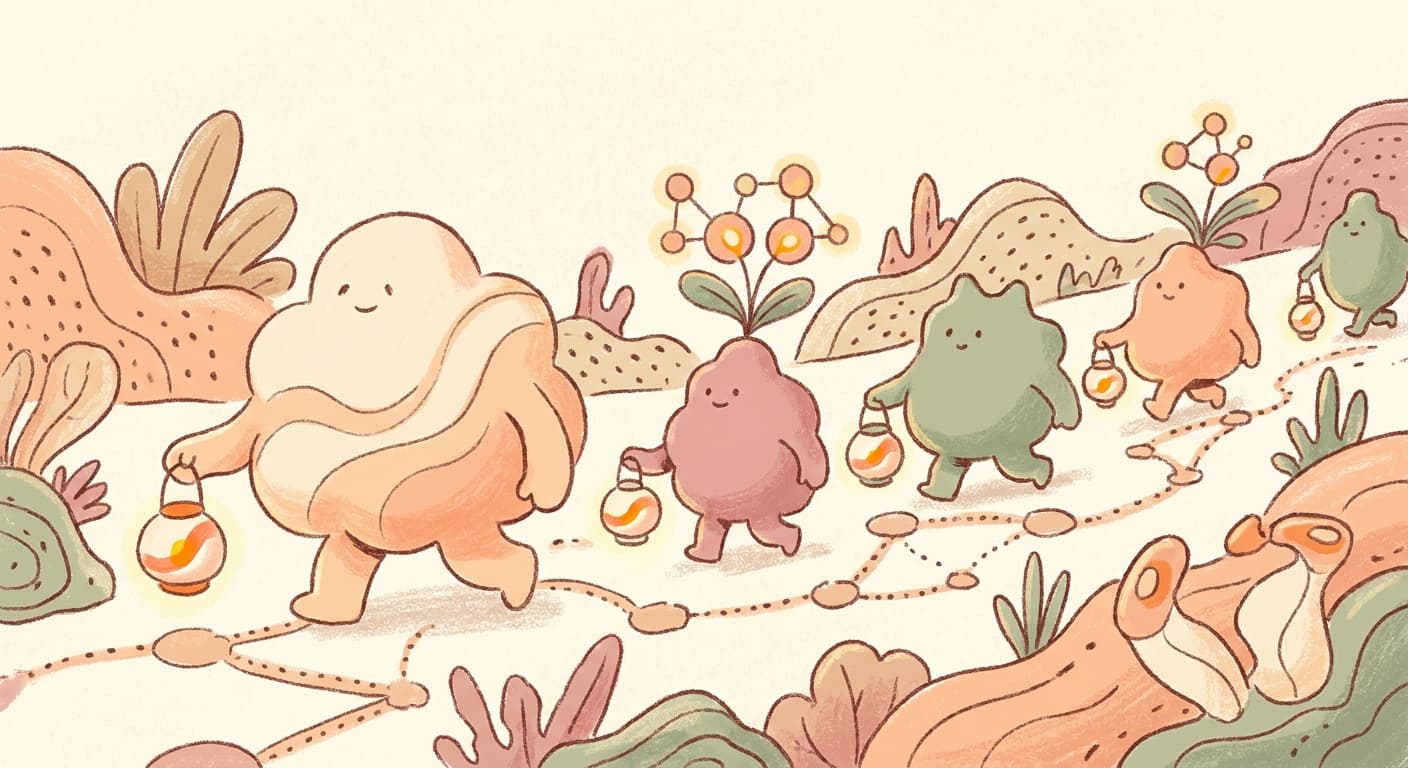
Observatory Companion
Observatory Companion is the canonical Companion anchor inside the framework. Hand-drawn warmth, calibrated maximalism, signature marks. The relationship is the entire point of the archetype.
See the archetype
How Companion composes with the other axes
Companion pairs most often with Conversational tone (Carepath, Lantern, Hounder, Companion) and with Playful tone (Bloom, Glo, Curve, Pulse). The combination is the warm-half of the framework's relational register. Companion with Provocative tone is rarer and produces the Vault move: a brand inviting the reader into a world rather than addressing them about it.
On the aesthetic axis, Companion sits with most positions. Polished Standard pairs produce the modern consumer-product register (Carepath, Hounder). Expressive Maximalist pairs produce the energetic-warmth register (Pulse, Glo, Companion, Bloom, Curve, Vault). Editorial Restrained pairs produce the cinematic boutique-hotel register (Lantern).
Failure patterns
How Companion fails
Concrete patterns to watch for when adopting the position. These are the failure modes the position has to guard against, in order of how often they appear in the wild.
Failure pattern 1
Substituting empathy for substance
"We're here for you" copy without specifics about how the brand helps reads as performed care. Sophisticated readers detect it; in healthcare and similar categories, performed care actively reduces trust. The fix is to lead with the specific form of help and let the warmth live in the cadence.
Failure pattern 2
Parasocial register
Treating the reader as a friend the brand has not actually been friends with reads as a manipulation. The discipline is to be warm without faking intimacy. Companion is supportive, not familial; the line between the two is where the position succeeds or fails.
Failure pattern 3
Making the brand the protagonist
Founder-as-hero copy and brand-origin paragraphs displace the reader from the protagonist seat. The position requires the brand to stay in support. The brand's story can exist on the about page; on the customer-facing pages, the customer is the story.
Failure pattern 4
Cloying warmth
Excessive softness, too many soft palette tokens, every paragraph cushioned with reassurance, results in copy and design that the reader bounces off. Companion is warm; warmth is a single note within a structured composition, not the entire palette.
References