Aesthetic axis · Position 4 of 4
Expressive Maximalist aesthetic in Creative Direction
The high-conviction visual position in the creative direction framework. Visual abundance, willingness to clash, ambition signaled visibly.
Expressive Maximalist is the position that decides being loud is a feature, then earns the volume.
What Expressive Maximalist is
Expressive Maximalist is the loud end of the aesthetic axis. The visual system is dense, energetic, willing to clash, and committed to being remembered before being safe. Where Controlled Maximalist engineers the abundance into hierarchy, Expressive Maximalist allows more of the energy to live on the page raw. Kinetic typography, irregular composition, motion that breaks frame, color stories that refuse subtlety. The page is meant to be felt before it is read.
Expressive Maximalist is the hardest aesthetic position to execute well. The discipline is to keep the chaos directed: the page can be loud, but the brand has to be telling the reader something specific through the loudness. A site at this position that has the volume but not the position underneath reads as decoration. A site that has both feels inevitable.
When Expressive Maximalist fits
Expressive Maximalist fits brands at the highest conviction tier in categories where the visual register is itself a competitive signal. Streetwear at the drop-culture tier, AI labs launching frontier models, conferences competing on cultural durability, indie game studios marketing flagship titles, energy drinks targeting an audience that has decided politeness is the wrong move. The buyers are sophisticated readers of visual register and use the aesthetic as a primary credibility check.
The position also fits brands whose product or experience is itself maximalist. A music festival, an esports team, a high-energy fitness studio. The site is part of the artifact in a way the Polished Standard variant cannot be. Reducing the visual energy to the floor of the category convention would lose what makes the brand the brand.
What Expressive Maximalist rejects
Expressive Maximalist rejects the assumption that abundance compensates for direction. A site at this position with no underlying position reads as a brand trying to be loud because it has nothing specific to say. The aesthetic is high-investment; the failure mode of investing in the chrome without investing in the message is the most expensive way to lose.
The position rejects the trend-chase: leaning on whichever Maximalist treatment is currently in design discourse without integrating it into the brand's own visual logic. Trend-chase Maximalism dates within months. Brand-integrated Maximalism dates only when the brand decides to evolve.
Examples in the showcase
13 archetypes that demonstrate Expressive Maximalist
Expressive Maximalist is the dominant aesthetic for Wave 2 and Wave 3 HIGH-motion archetypes in the showcase. The archetypes below show the range from cybersecurity to fashion drops to indie games to AI launches.

Vector
Offensive securityVector is terminal-styled hero with scan lines and RGB shift, services as terminal cards, Mastodon and Signal contact. Expressive Maximalist used surgically; the chrome is the operator-grade signal.
See the archetype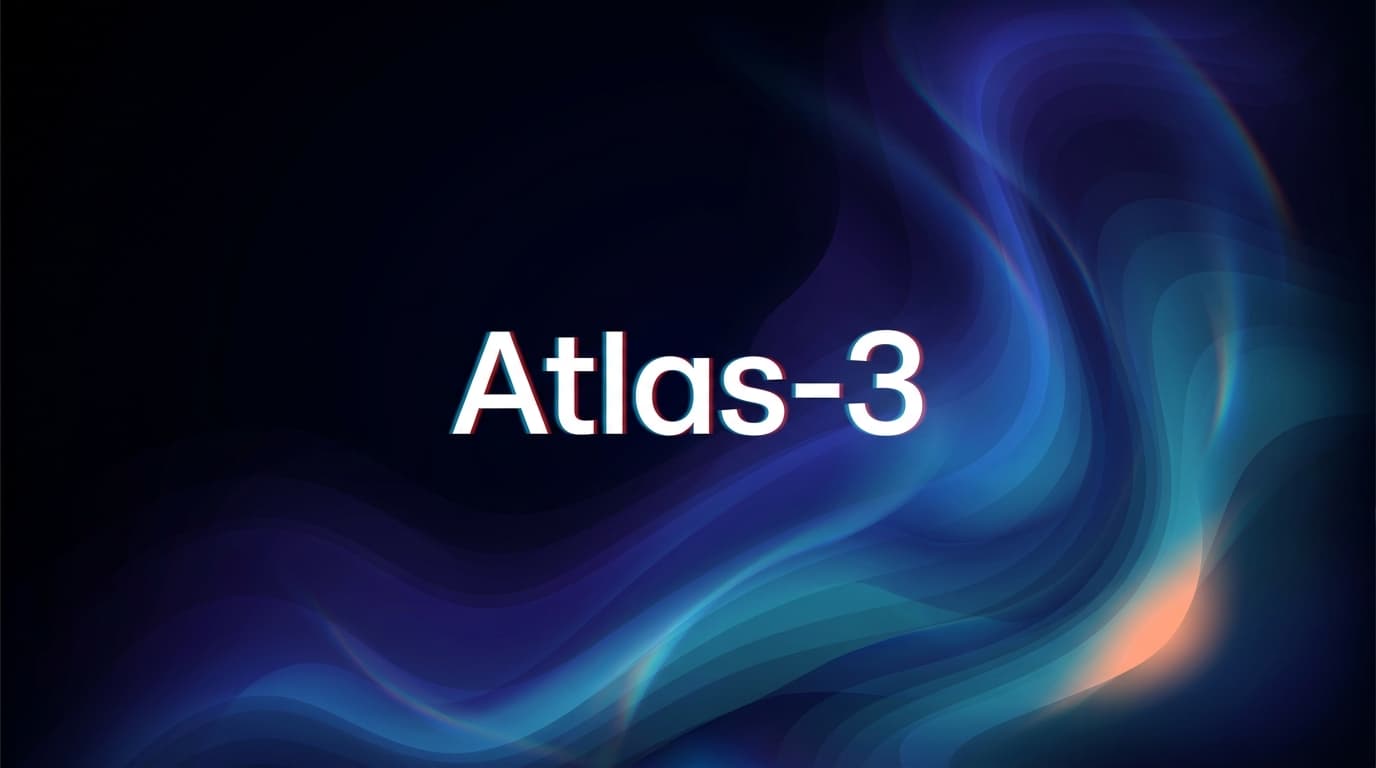
Frontier
AI research labFrontier is animated gradient mesh with RGB shift on the wordmark, capabilities grid, equal-weight safety section. Expressive Maximalist with discipline; the visual ambition is calibrated to match the model launch's actual claim.
See the archetype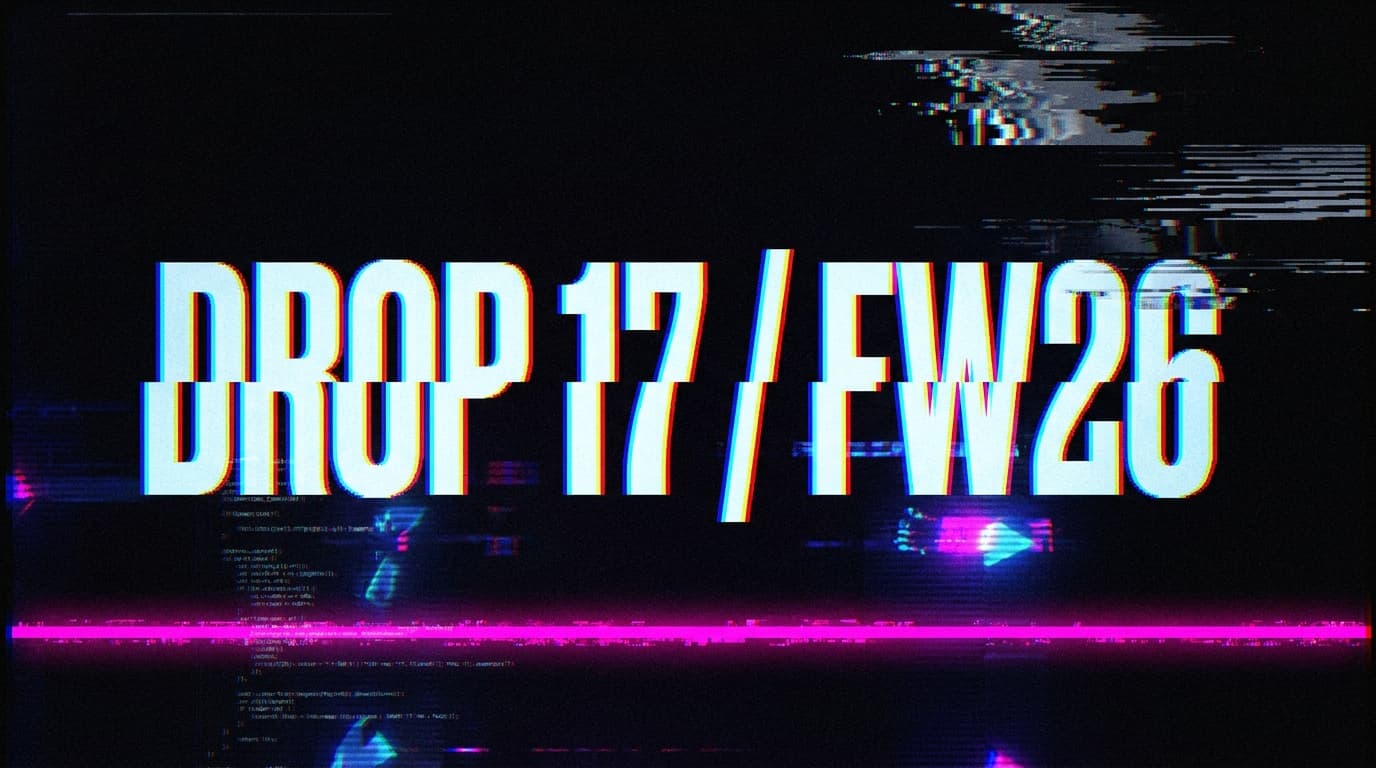
Drop
Limited-edition fashionDrop is heavy kinetic typography hero with chromatic aberration, irregular product grid, ticker marquee. The aesthetic is the artifact; the brand sells through being part of the cultural moment, not above it.
See the archetype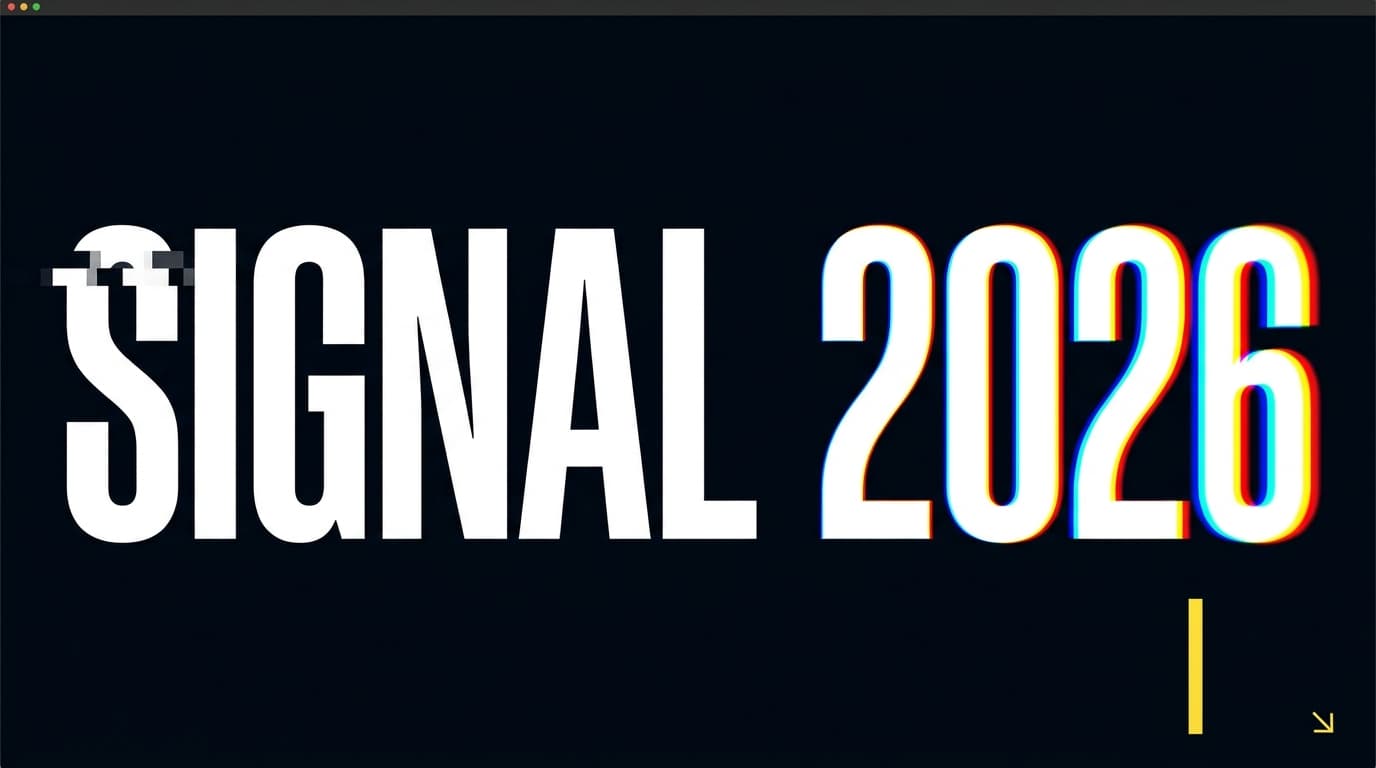
Signal
Tech conferenceSignal is massive kinetic headlines, glitched countdown, scroll-jacked transitions. The Maximalist aesthetic previews the energy of the event; the page itself functions as a trailer.
See the archetype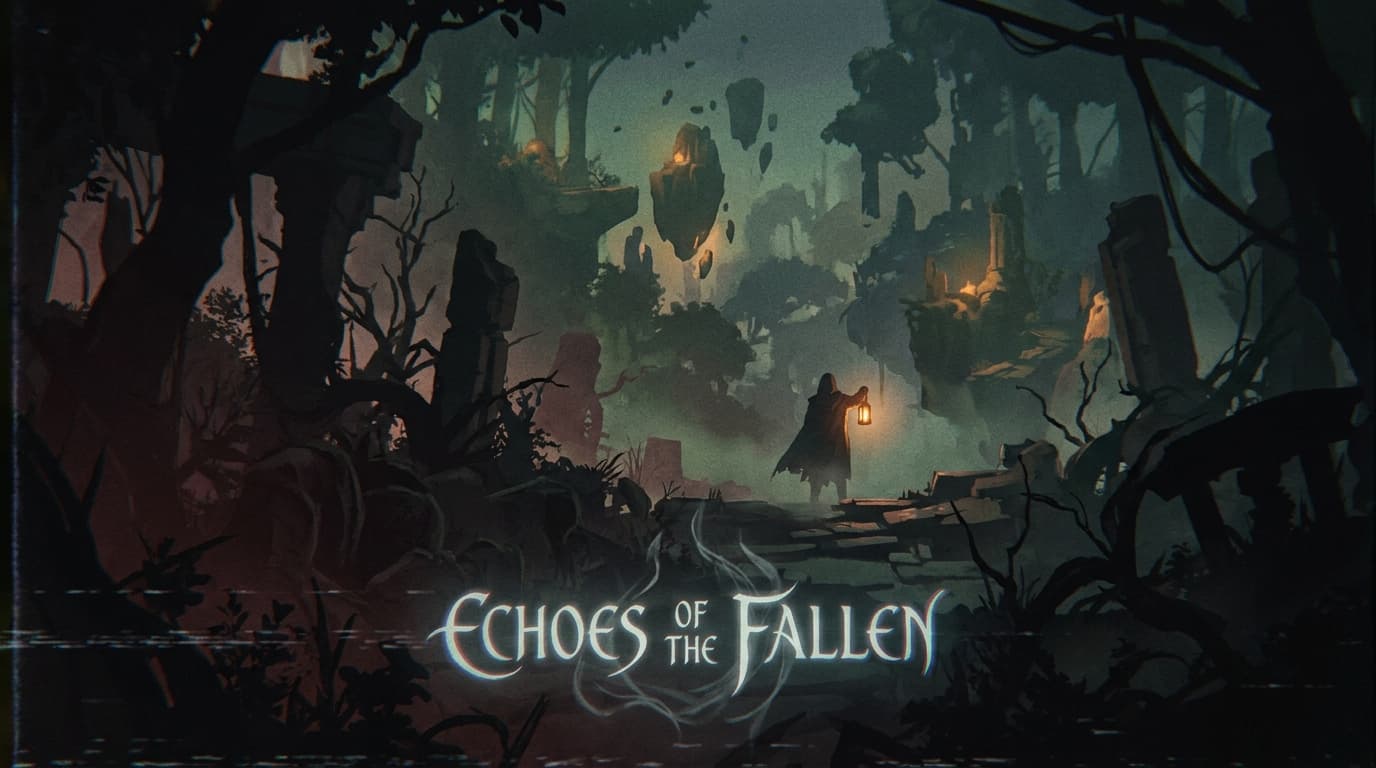
Vault
Indie game launchVault is cinematic glitch reveals, parallax-stacked hero, frame-by-frame VHS tracking on pull-quotes. The aesthetic is part of the game's atmosphere; the launch site is an extension of the product itself.
See the archetype
Edge
Systems-level developer toolEdge is the deliberate pedagogical exception. Massive monospace benchmark numbers, ASCII dividers, terminal cursor. Expressive Maximalist that serves Functional sensory ambition rather than Resonant.
See the archetype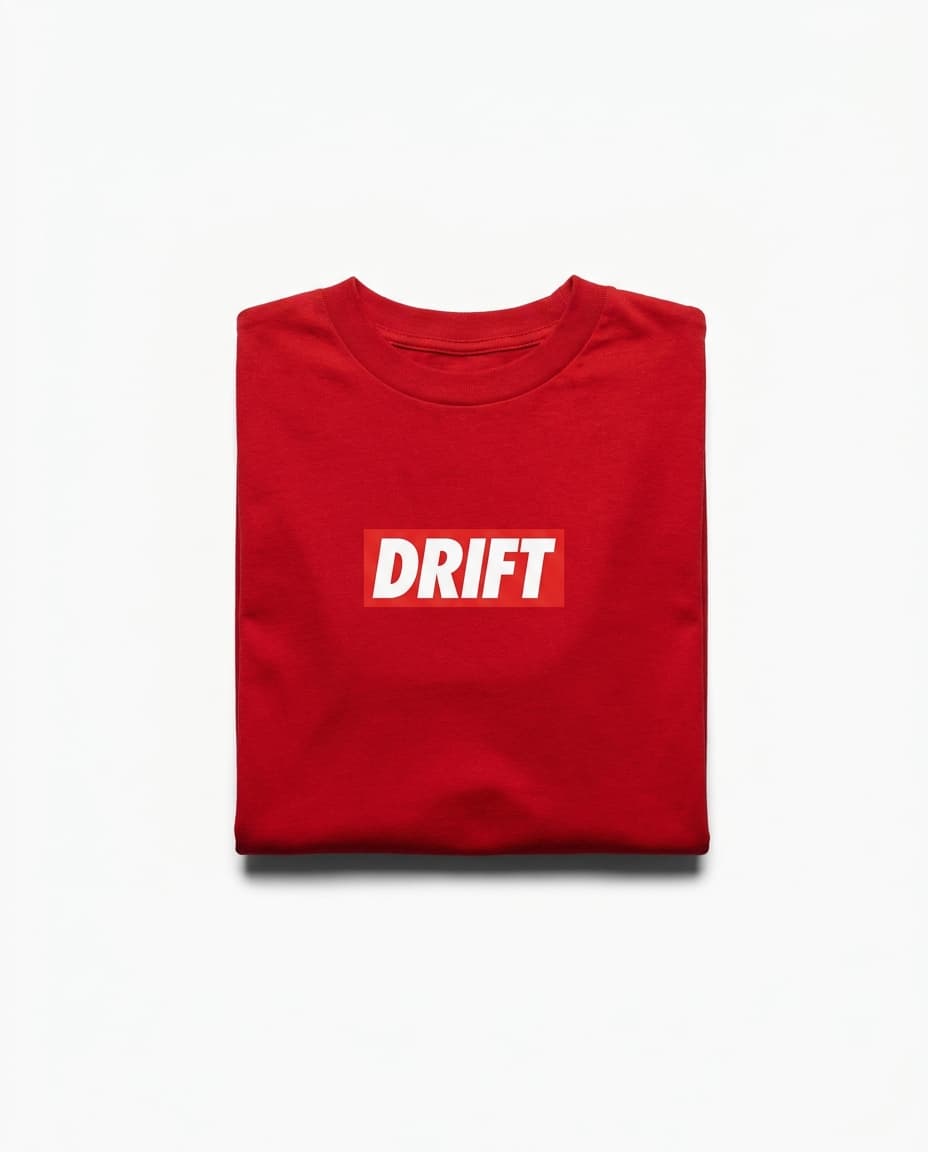
Drift
Streetwear dropsDrift is red-on-white box-logo register, countdown timers, text scramble effects. Expressive Maximalist deployed in the streetwear convention; the visual energy is the dialect.
See the archetype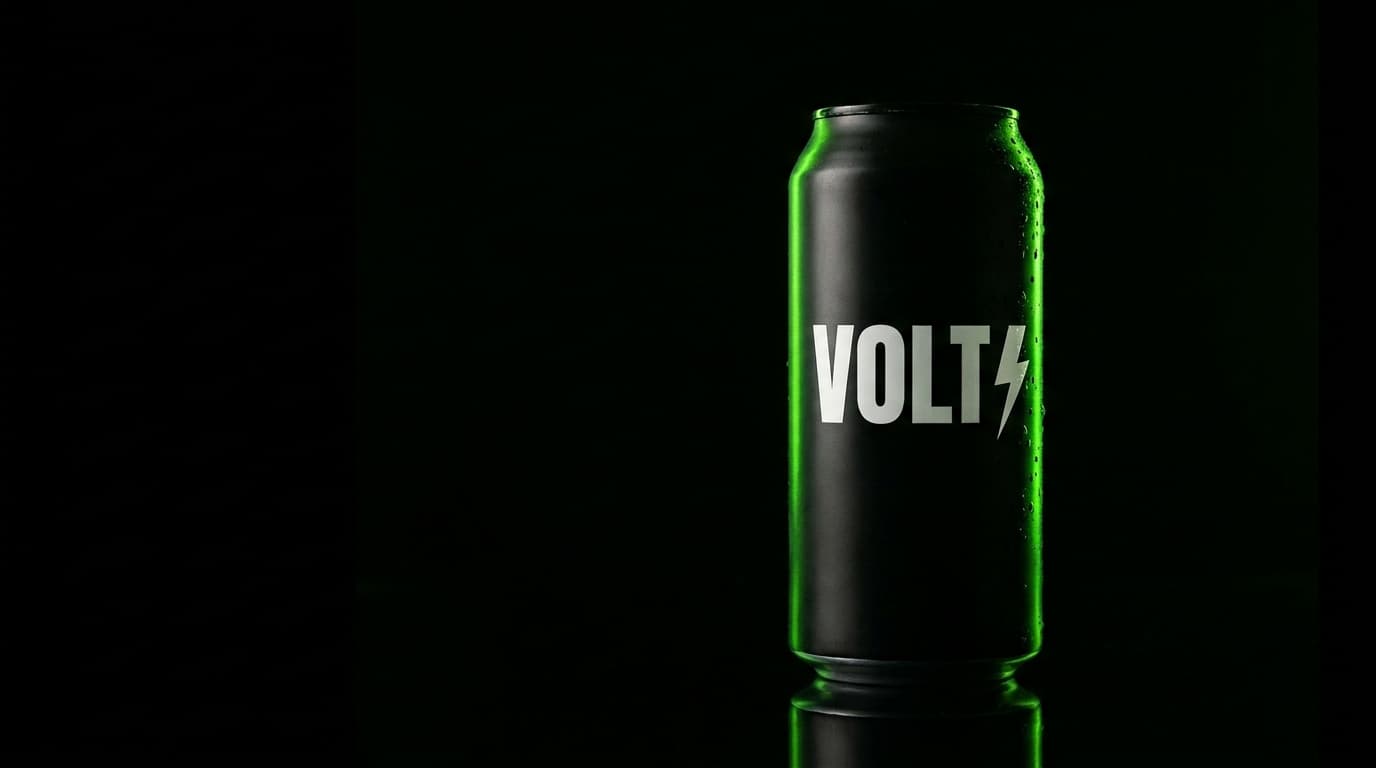
Volt
Energy drinkVolt is heavy-metal energy drink. Black plus acid green chaos, brutalist condensed type, glitch animations. The aesthetic refuses politeness because the audience reads politeness as the category convention.
See the archetype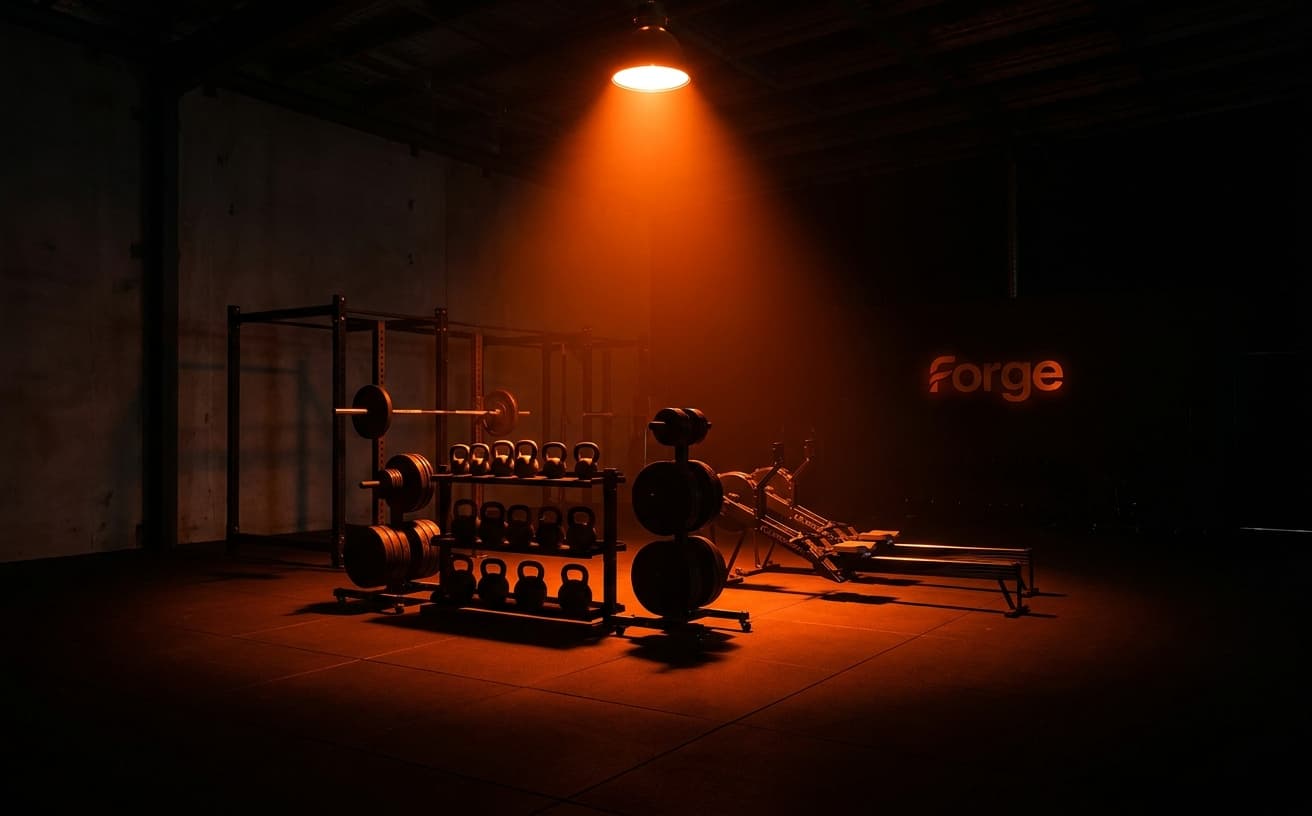
Forge
Boutique fitness studioForge is intense boutique fitness. Hot orange plus black plus electric green chaos, pulsing typography, countdown timers. Expressive Maximalist with Coach relationship; the chrome is part of the challenge.
See the archetype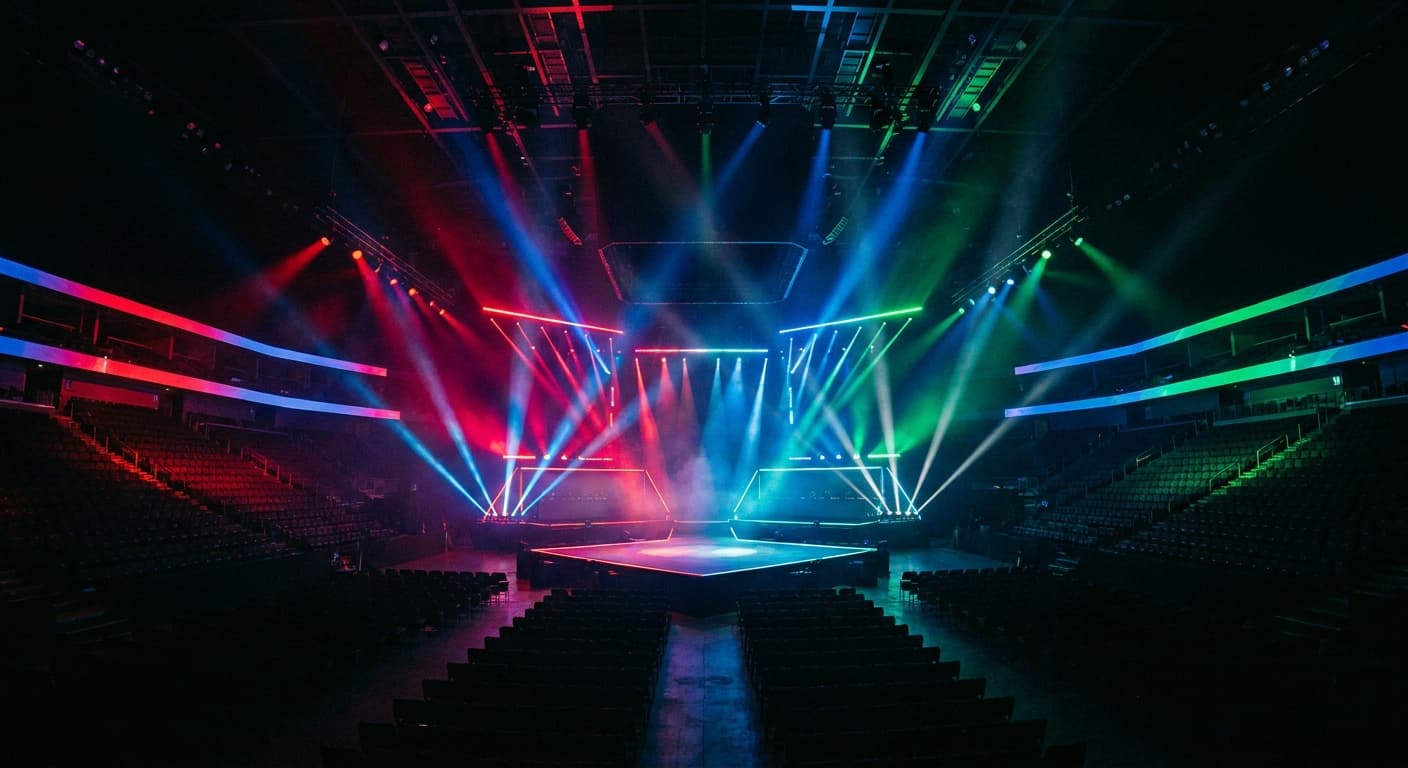
Apex
Esports team brandApex is RGB rainbow gradients, dark mode, animated player roster, live tournament ticker. The Maximalist aesthetic is the dialect of the esports category; reducing it would read as a brand outside its own category.
See the archetype
Pulse
Music streamingPulse spans Controlled and Expressive Maximalist; the music-streaming archetype lands more on the Expressive side when the saturated palette and motion-rich hero set the visual register.
See the archetype
Glo
Dopamine beautyGlo is dopamine beauty. Pink/peach/lavender pastels, oversized rounded type, color-cycling backgrounds. Expressive Maximalist with Playful tone; the volume is friendly rather than aggressive.
See the archetype
Observatory Companion
Observatory Companion is hand-drawn illustration, soft pastel palette, calibrated warmth. Expressive Maximalist with Companion relationship; the density is warm rather than chaotic.
See the archetype
How Expressive Maximalist composes with the other axes
Expressive Maximalist pairs most often with Provocative tone (Vector, Frontier, Drop, Signal, Edge, Vault, Drift, Volt, Forge, Apex). The combination is the high-conviction quadrant of the framework. With Playful tone the position warms (Glo, Pulse, Observatory Companion, Curve, Bloom). With Conversational tone the position is rarer and produces work like Common Hand's heritage variant.
On the sensory axis, Expressive Maximalist almost always sits with Resonant. The exception is Edge, which is the deliberate Expressive-Functional pedagogical case. With Authority on the relationship axis (Vector, Frontier), the position carries operator-grade weight; with Peer (Drop, Signal, Edge, Drift) it carries collector-grade intimacy.
Failure patterns
How Expressive Maximalist fails
Concrete patterns to watch for when adopting the position. These are the failure modes the position has to guard against, in order of how often they appear in the wild.
Failure pattern 1
Chaos without intention
Expressive Maximalist that has not decided what it is committing to ends up as decoration. The position requires the brand to have a specific worldview the visual abundance is making legible. Without it, the chrome reads as a brand trying to look more confident than it is.
Failure pattern 2
Trend-chasing rather than expression
Adopting whichever Maximalist treatment is current in design discourse, without integrating it into the brand's own visual logic, ages within months. The position rewards brands that evolve their Maximalism deliberately; it punishes brands that swap in the latest trend.
Failure pattern 3
Motion as substitute for direction
A heavily animated site that does not actually have anything specific to say is the most expensive way to fail at the position. The motion is supposed to amplify the brand's conviction, not stand in for it.
Failure pattern 4
Mistaking volume for conviction
Cranking every dial up does not produce Expressive Maximalist. The discipline is at the seams: which elements are loud, which elements rest, where the page allows the reader to recover. Volume without rhythm is unreadable.
References