Relationship axis · Position 4 of 4
Coach relationship in Creative Direction
The challenge-driven relationship position in the creative direction framework. The reader is the trainee; the brand is the standard.
Coach is the brand pushing the reader toward something they would not push themselves toward alone.
What Coach is
Coach is the relationship position where the brand challenges the reader. The voice expects more from the reader than the reader expects from themselves. The page is structured around outcomes the reader wants but does not currently produce, and the brand's role is to push them toward those outcomes. Where Companion walks alongside and Authority sets the floor, Coach raises the bar: the reader is here because they want to be pushed, and the brand has the credibility to do the pushing.
The position requires the brand to have actually earned the right to push. A coach without standing reads as nagging. The credibility is built through the work the brand has demonstrated in the category: athletes the brand has trained, results the brand has produced, work the brand has shipped. Coach without the underlying body of work falls into the motivational-poster register, which is the position's sharpest failure mode.
When Coach fits
Coach fits brands competing in categories where the buyer is paying for accountability and challenge. Boutique fitness studios, performance running, certain energy and nutrition products, esports training programs, productivity tools that aim to reset behavior rather than support it. The reader is choosing the brand because they have decided their current state needs to change and they are willing to pay for the push.
The position also fits brands at the manifesto end of the conviction spectrum, where the brand's claim is that the reader should be aiming higher than the reader currently aims. The position is rarer in B2B than in fitness or consumer; B2B brands more often sit at Peer or Authority. Coach is the right call when the buyer is explicitly paying for the demand.
What Coach rejects
Coach is not drill-sergeant. The position rejects the empty-volume register where the brand confuses harshness with challenge. A brand that pushes without demonstrating the standing to push reads as borrowed authority and ages quickly. The discipline is to push from a position of earned credibility, not from a position of stagecraft.
The position also rejects the motivational-poster register: aphorisms deployed without specifics, copy that gestures at high standards without naming what the standards are. Coach copy that lands is concrete: it names the workout, the time, the outcome. Generic exhortation reads as filler regardless of how aggressive the volume.
Examples in the showcase
5 archetypes that demonstrate Coach
Coach is among the smallest-population positions on the relationship axis because the discipline is hard to sustain and the categories that fit are concentrated. The archetypes below cover boutique fitness, performance running, energy, and the framework's canonical Coach reference.
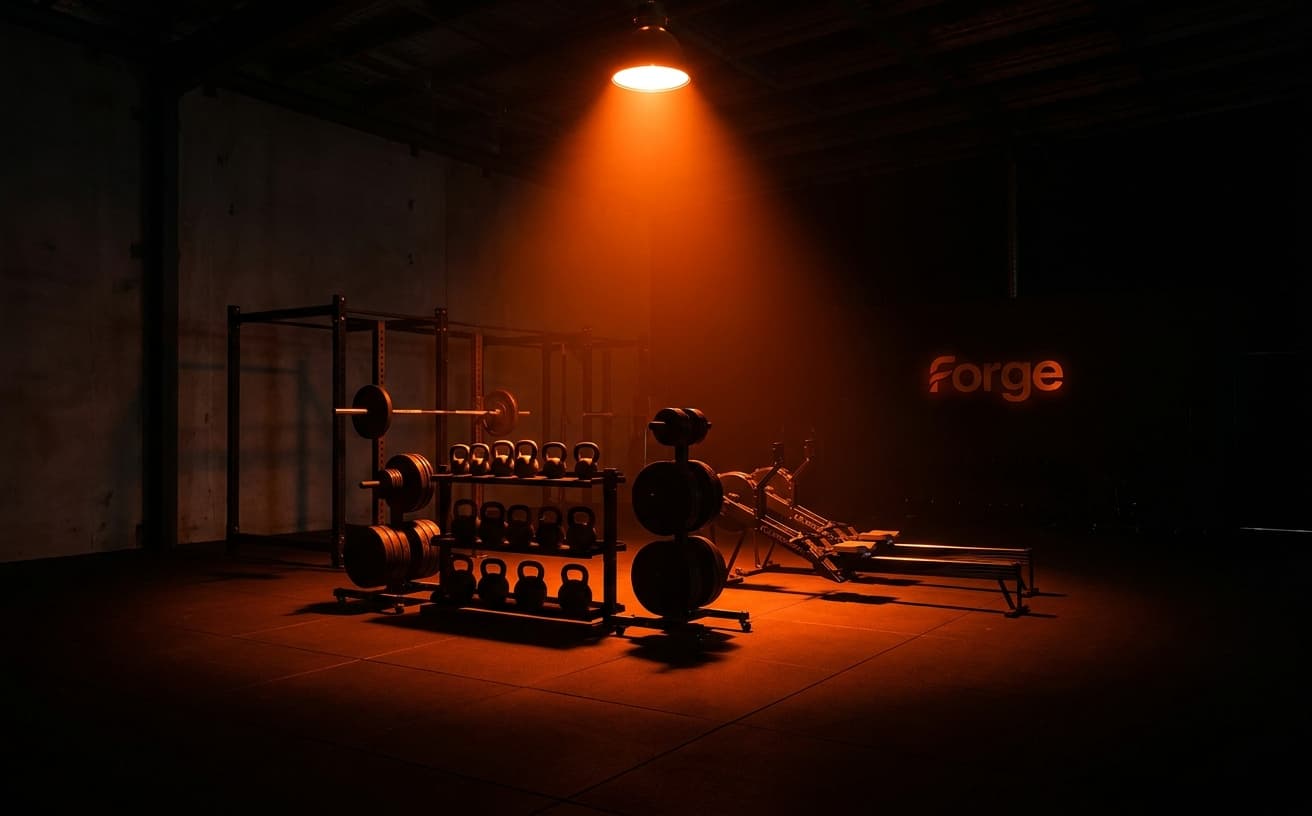
Forge
Boutique fitness studioForge is intense boutique fitness. Show up; get hammered. Hot orange / black / electric green chaos, pulsing typography, countdown timers. Coach with Provocative tone is the position that makes the demand part of the brand promise.
See the archetype
Pacer
Performance running apparelPacer is performance running. Built for the work. Athlete-driven photography, performance data visualization, no-nonsense voice. Coach is the relationship that lets the brand exist alongside training programs rather than as decoration on top of them.
See the archetype
Volt
Energy drinkVolt is heavy-metal energy drink. Wake the hell up. Black + acid green chaos, all-caps friendly. Coach with Provocative tone at the consumer beverage register: the demand is the differentiator.
See the archetype
Hexa
AI developer toolHexa is AI dev tool with a coach-not-companion voice. Confident, technical, peer-to-peer, plain-spoken about complex things. Coach in B2B is rare; Hexa is the variant where the tool pushes the developer toward better practice rather than supporting the current one.
See the archetype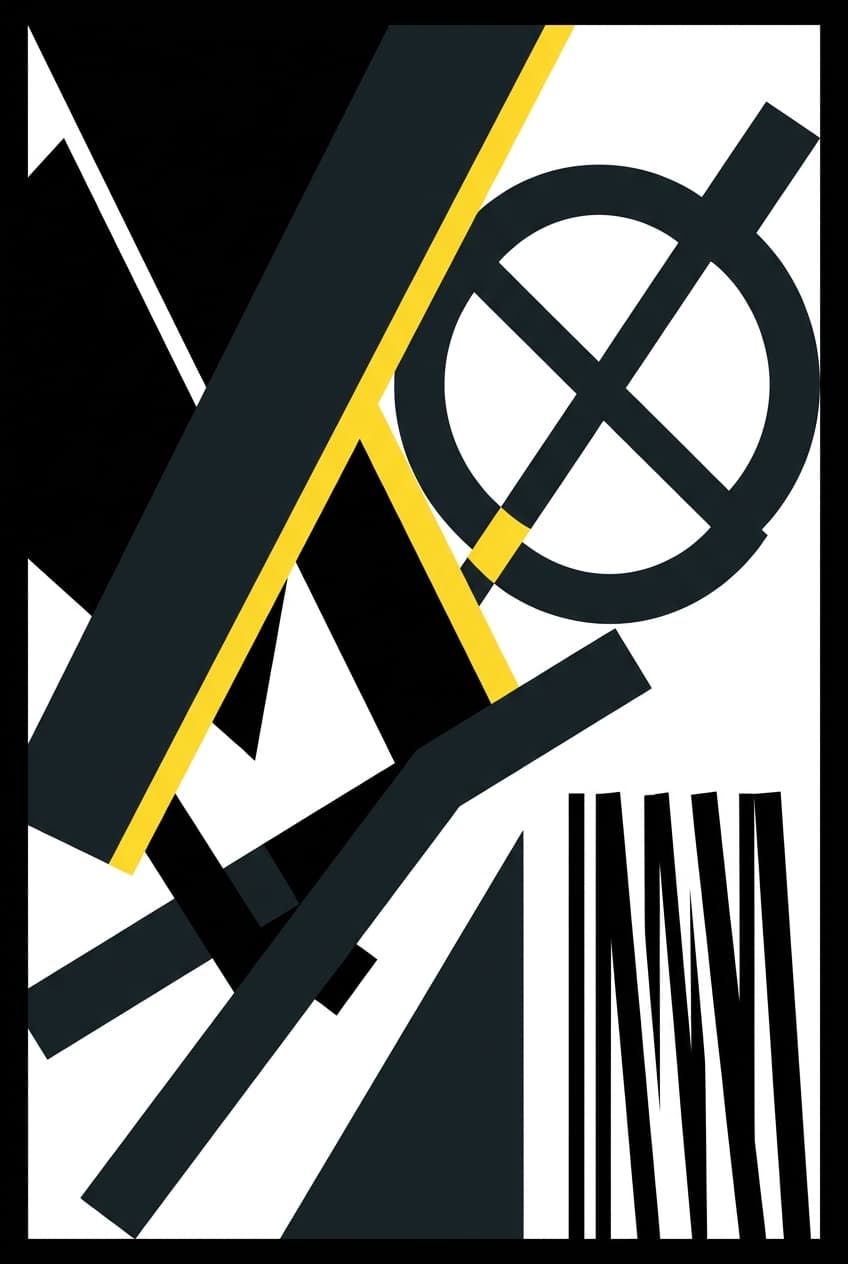
Observatory Performance
Observatory Performance is the canonical Coach anchor inside the framework. Manifesto with a product attached, willing-to-lose-readers, structurally numbered. The relationship is the entire reason the archetype exists.
See the archetype
How Coach composes with the other axes
Coach pairs most often with Provocative tone (Forge, Volt, Pacer, Performance). The combination is the high-conviction quadrant of the relationship axis: the brand challenges the reader and is willing to lose the reader who does not want the challenge. Coach with Conversational tone is rarer and tends toward the Hexa register where the technical context warms the demand.
On the aesthetic axis, Coach pairs most often with Expressive Maximalist (Forge, Volt, Performance) and with Polished Standard (Pacer, Hexa). The Maximalist pairing makes the demand visible; the Polished Standard pairing makes it credible.
Failure patterns
How Coach fails
Concrete patterns to watch for when adopting the position. These are the failure modes the position has to guard against, in order of how often they appear in the wild.
Failure pattern 1
Drill-sergeant tone
Pushing without earning the right to push reads as bullying. Coach copy that uses harshness as a substitute for credibility loses the reader the brand most wanted: the one already self-motivated, who can detect borrowed authority. The fix is to demonstrate the standing first and let the demand follow from it.
Failure pattern 2
Motivational-poster register
Aphorisms about hard work, generic exhortations to push through, copy that gestures at high standards without naming the standards. The reader registers the gap between claim and substance immediately. Coach lands when it is concrete: name the workout, the duration, the cost.
Failure pattern 3
Performative challenge
Brands that adopt Coach because the category convention rewards aggressive voice without actually holding the reader to a higher standard produce hollow work. The position requires the brand to be a real coach: holding the reader accountable, not just performing accountability.
Failure pattern 4
Pushing without earning the right
A brand at a smaller scale or earlier stage that adopts Coach without the body of work to back it reads as posing. Peer or Companion usually fails better. Coach is high-cost; the cost is paid through demonstrated results.
References