Tone axis · Position 1 of 4
Professional tone in Creative Direction
The measured, low-register tone of the creative direction framework. Restraint as signal.
Professional is restraint deployed on purpose. The voice carries weight because it does not reach for it.
What Professional is
Professional is the most restrained position on the tone axis. The voice is measured, the cadence is even, the vocabulary is precise. Sentences end where they earn the period and not before. First-person plural appears when the brand needs to commit to a position; otherwise the writing keeps the brand off-stage and the substance up front. Where Conversational invites and Playful surprises, Professional sets the floor and lets the reader stand on it.
The register answers a single question: can the reader trust the work behind the words? Professional copy demonstrates competence by performing it. It cites specifics, names the relevant constraints, and refuses to oversell the conclusion. The output is voice that signals expertise without staging it. A reader who already knows the category should feel met by the language; a reader new to it should feel respected, not lectured.
When Professional fits
Professional is the default tone for categories where casualness reads as not understanding the stakes. Law firms, real estate at the prestige tier, premium audio, institutional finance, technical reference, fine dining at the highest registers. Buyers in these categories use the tone as a signal that the brand has been here before. Anything warmer reads as a smaller firm trying to look bigger than it is.
The position also fits brands at a stage where the work itself is the differentiator and adornment would distract from it. A firm with notable matters does not need a slogan. A skincare brand citing studies does not need to wink. Professional is the right call when the substance is strong enough that the voice should get out of the way, and when the audience would rather be informed than entertained.
What Professional rejects
Professional is not Stiff. The position rejects performed gravity. It is also not Cold. The discipline is to write with warmth without reaching for it. What the position does explicitly reject is the press-release register, the ad-copy register, and the celebratory marketing register. No exclamations. No hype words. No "we are excited to announce." No qualifiers stacked to soften a claim the brand is not actually making.
The position does not claim authority through tone alone. A Professional voice that hides thin substance behind formal cadence reads worse than a casual voice over the same thin substance. The discipline includes the willingness to publish less.
Examples in the showcase
7 archetypes that demonstrate Professional
Professional anchors brands across categories where the voice is the floor, not the feature. The archetypes below sit at this position for different reasons: legal because of the discipline; real estate because the price tier requires it; reference because the reader is here to check facts.

Hewn
Clean skincareHewn pairs Professional adjacent moves with a Conversational tone proper, but its claim discipline is the Professional move. Every active is dosed to a study; every preservative tradeoff is named. The voice never reaches for warmth that the substance has not earned.
See the archetype
Estate
Luxury real estateEstate keeps the agent off the page so the property can do the work. Single-image hero, principal letter rather than agent headshot grid, no exclamation marks. Money in this tier is quiet, and the tone is the brand's first credibility check.
See the archetype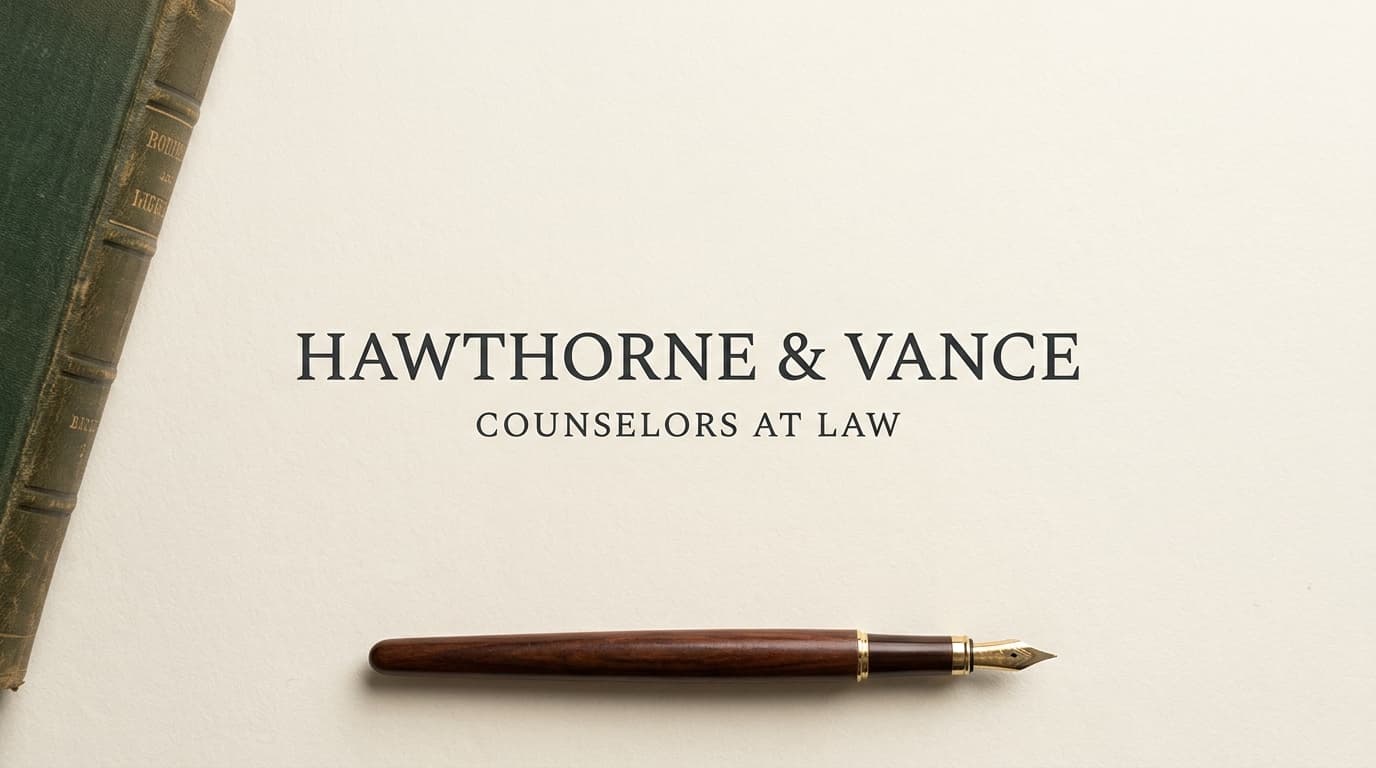
Counsel
Business law firmCounsel reads like a brief, not a brochure. Practice areas are written as memos. Partner profiles lead with notable matters and publications, not headshots. The voice never softens a claim the firm has the work to back up.
See the archetype
Observatory Reference
Reference is the institutional documentation pole of the framework. Citations carry the page. Footnotes are real. Severity is the design language. The reader is here for facts, and the voice declines to perform anything else.
See the archetype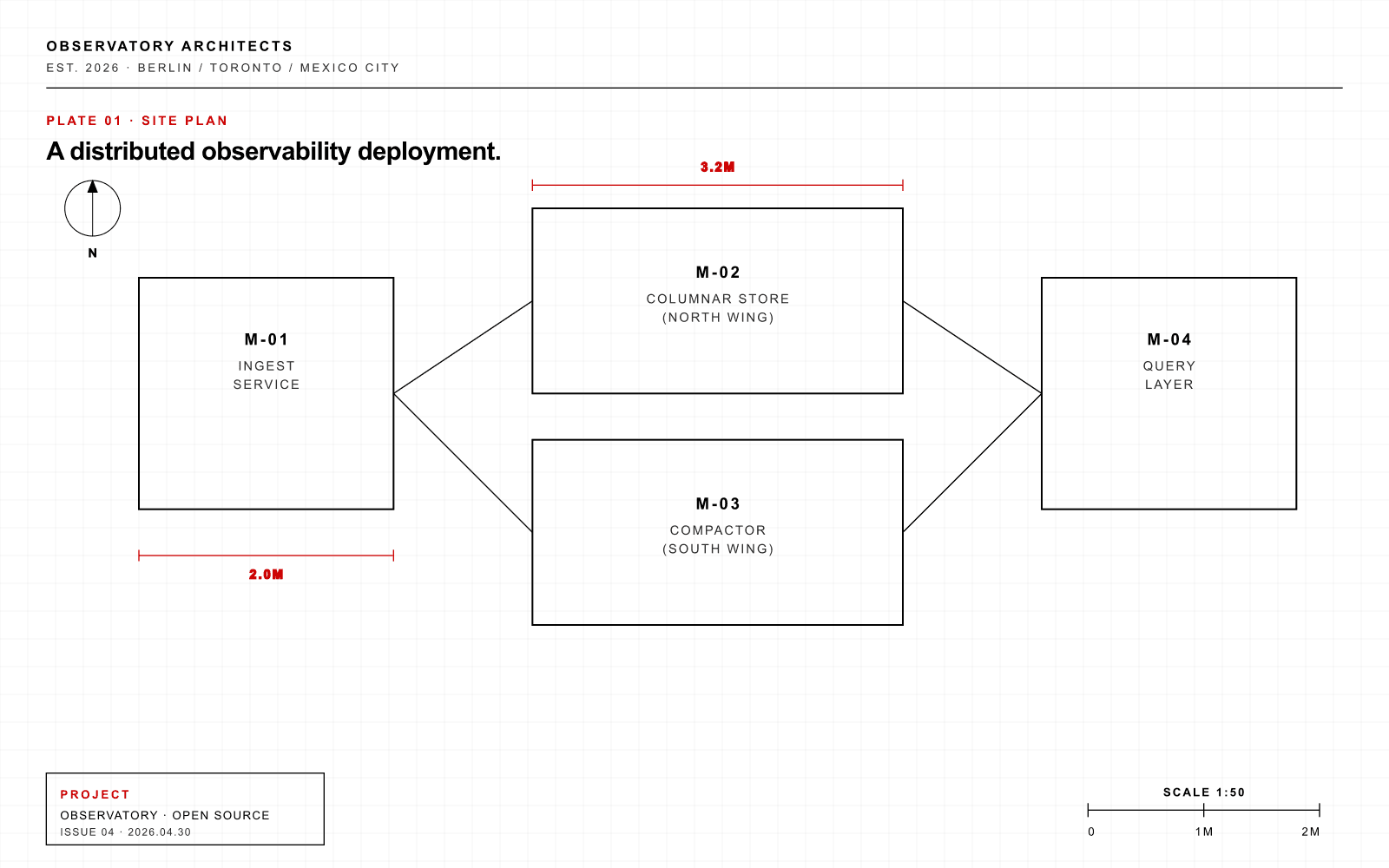
Observatory Plan
Plan treats the product like a building. Axonometric drawings, dimensional callouts, plate numbers. The voice is austere because architecture treats restraint as a measure of confidence in the structure itself.
See the archetype
Prospect
Home decor and craft objectsProspect anchors home decor at the museum-gift-shop register. Maker provenance, numbered editions, third-person about the makers. The position is the difference between an heirloom catalog and a lifestyle brand.
See the archetype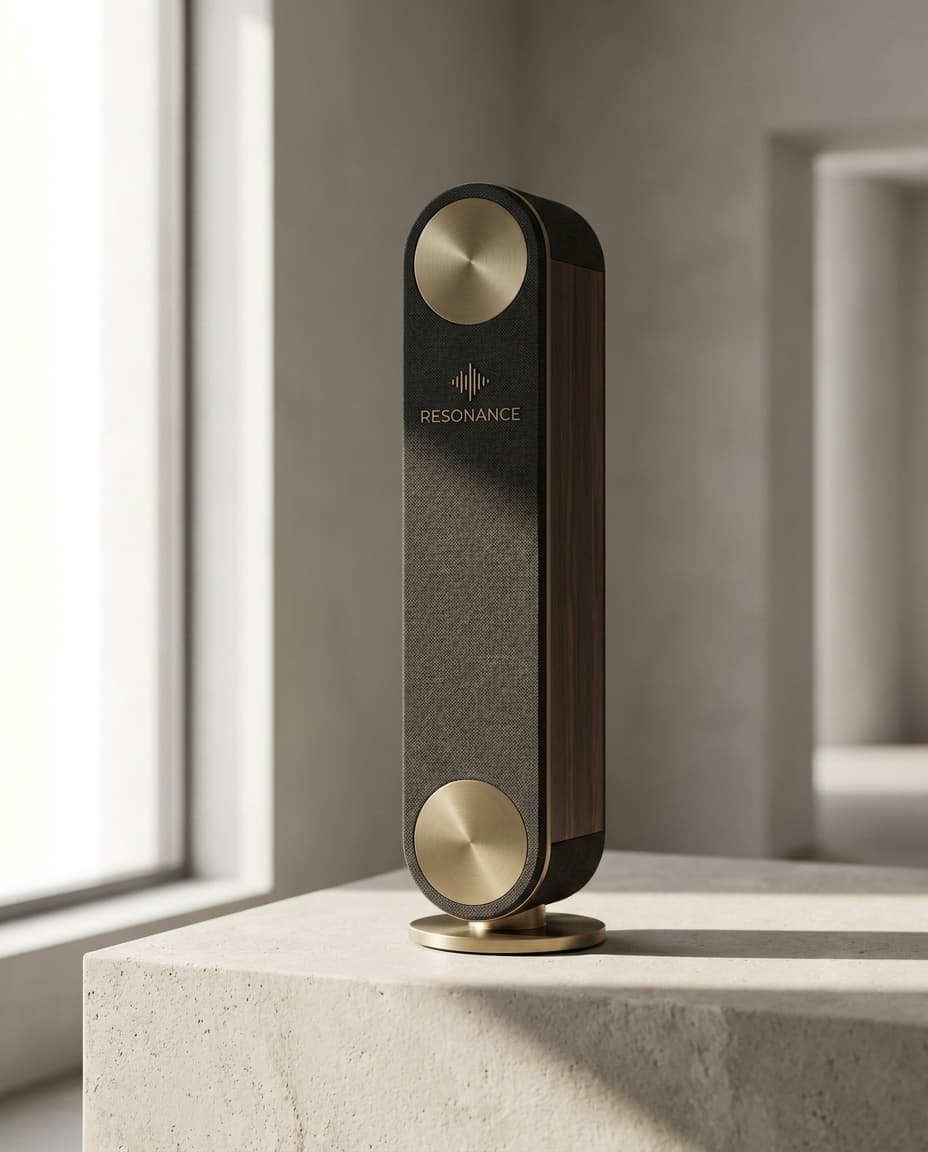
Resonance
Premium audio hardwareResonance is audiophile-literate without the audiophile bluster. Exploded views, materials notes, third-person about the products. The Professional tone is what allows the Resonant sensory ambition to land instead of feeling staged.
See the archetype
How Professional composes with the other axes
Professional pairs most often with Editorial Restrained on the aesthetic axis (Counsel, Estate, Observatory Reference, Resonance), and with Authority on the relationship axis. The combination is the institutional register. When Professional pairs with Polished Standard aesthetic instead, the work moves toward the modern B2B SaaS variant of the position (less common in this showcase; the closest match is the original Workshop archetype, which sits at Playful tone instead).
On the sensory axis, Professional sits comfortably with Considered (most Professional brands) and Resonant (Estate, Resonance). Pairing Professional with Functional sensory produces the most restrained combination in the framework: Observatory Reference is the canonical example. The four-axis matrix at /framework/creative-direction shows the full grid.
Failure patterns
How Professional fails
Concrete patterns to watch for when adopting the position. These are the failure modes the position has to guard against, in order of how often they appear in the wild.
Failure pattern 1
Confusing Professional with Stiff
The most common failure is treating restraint as the absence of voice. Professional copy still has a point of view; it just refuses to gesture at having one. Stiff copy reads as a firm afraid to commit to a sentence. The fix is usually to keep the cadence and add a single declarative claim per paragraph.
Failure pattern 2
Imitating press-release register
Brands that confuse Professional with corporate communications produce copy that sounds like a Q3 earnings call. "We are pleased to announce," stacked qualifiers, no specifics. The discipline of Professional is the opposite: name the specific, ship without the announcement.
Failure pattern 3
Performing authority instead of demonstrating it
A Professional voice that has not earned the credibility behind it reads as cosplay. The position rewards brands whose substance is already strong; it punishes brands trying to use tone to compensate. If the work is thin, Conversational or Playful tone usually fails better than Professional.
Failure pattern 4
Mistaking Professional for impersonal
The position permits warmth; it just does not perform it. A Professional voice can name a specific person, describe a specific situation, and acknowledge a specific reader. Removing all human texture in the name of professionalism is a different position (closer to Reference) and is rarely the right call for a commercial brand.
References