Tone axis · Position 2 of 4
Conversational tone in Creative Direction
The warm, peer-register tone of the creative direction framework. Personal, capable, comfortable with first-person.
Conversational is the brand reading like a thoughtful person, not a department.
What Conversational is
Conversational sits one step warmer than Professional on the tone axis. The voice uses first-person plural without flinching, contractions where they read naturally, and sentences that allow themselves to start with an aside. The cadence breathes. Where Professional refuses to perform warmth, Conversational allows warmth to live in the writing as long as the substance carries the paragraph. The reader should feel addressed, not pitched.
The position is harder than it looks. Conversational copy that drifts into chatty produces the wrong impression in categories where stakes are real (insurance, healthcare, restaurants at the high end). The discipline is to keep the warmth and tighten the rest: name specifics, decline filler, refuse the urge to fill silence with reassurance. Done well, Conversational makes a brand sound like a thoughtful person with a job to do, not a department writing copy by committee.
When Conversational fits
Conversational fits categories where coldness costs the brand something the buyer notices. Telehealth and primary care, where anxiety is the default. Direct-to-consumer products where the brand is replacing a category that felt impersonal (insurance, banking, pet food). Fine dining where the chef has a voice and the buyer wants to feel addressed by it. Skincare and wellness where the reader is choosing between similarly-credentialed products and warmth becomes the differentiator.
The position also fits brands at a scale where the founder's voice is still legible in the copy and pretending otherwise would lose what makes the brand the brand. A small studio writing in the third-person plural about itself reads as a smaller firm trying to sound bigger; the Conversational move is to use the singular first-person where it serves the writing and let the brand be its size on the page.
What Conversational rejects
Conversational is not breezy. The position rejects the cheerful-marketing register that mistakes friendliness for warmth. It also rejects manufactured intimacy: "Hey friend" copy, parasocial second-person, messages that fake closeness the brand has not earned. The reader can tell when a tone is performed.
The position does not abandon precision. Conversational copy still reports specifics and respects the reader's time. The failure mode of writing too casually is just a different way of disrespecting the reader, by wasting their attention on filler that does not change what the brand is offering.
Examples in the showcase
8 archetypes that demonstrate Conversational
Conversational anchors brands across categories where warmth is the differentiator. The archetypes below all share the move of putting a real voice on the page; what they do not share is the volume at which they speak.
Carepath
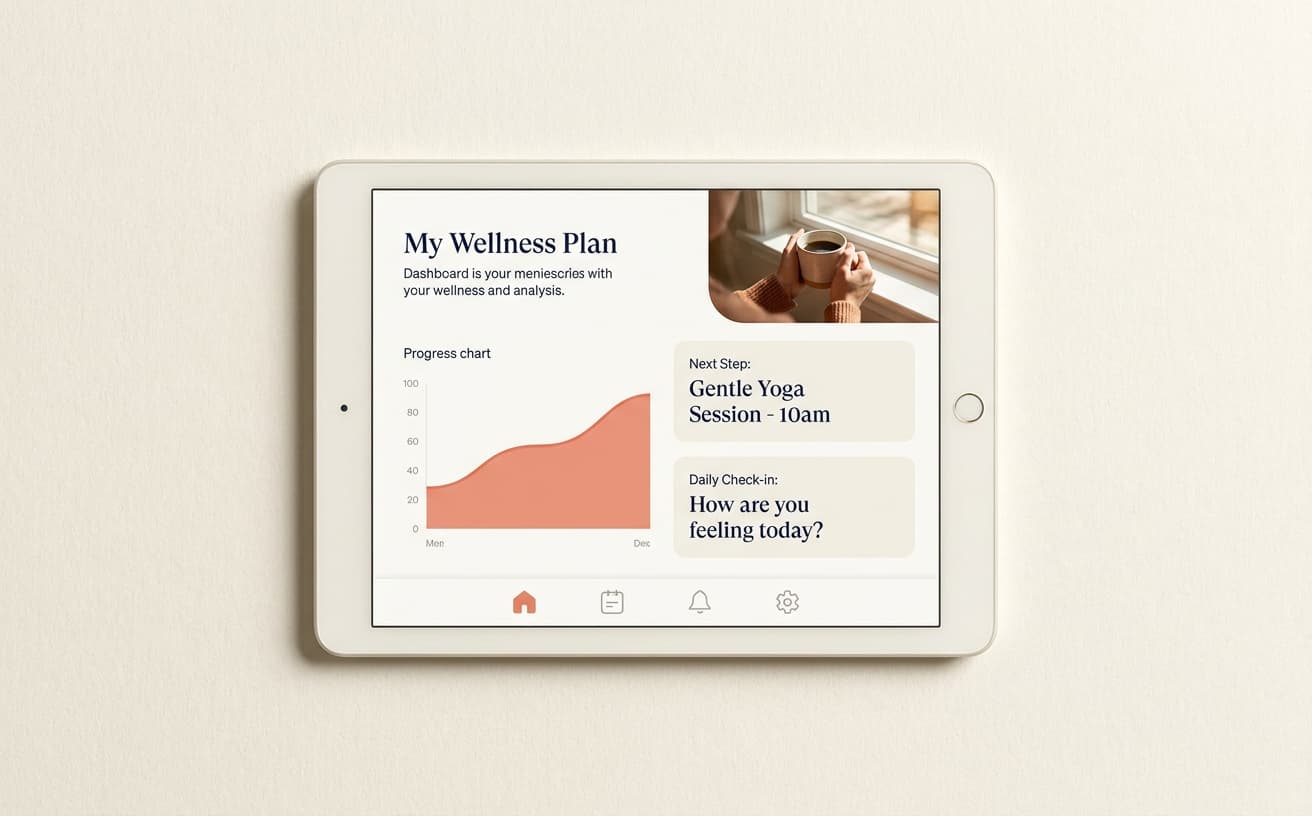
TelehealthCarepath uses Conversational tone to reset what telehealth feels like. Plain language about clinical things, no urgency, never "we're here for you" theatrics. The position is a deliberate response to the over-sterilized voice of legacy healthcare brands.
See the archetype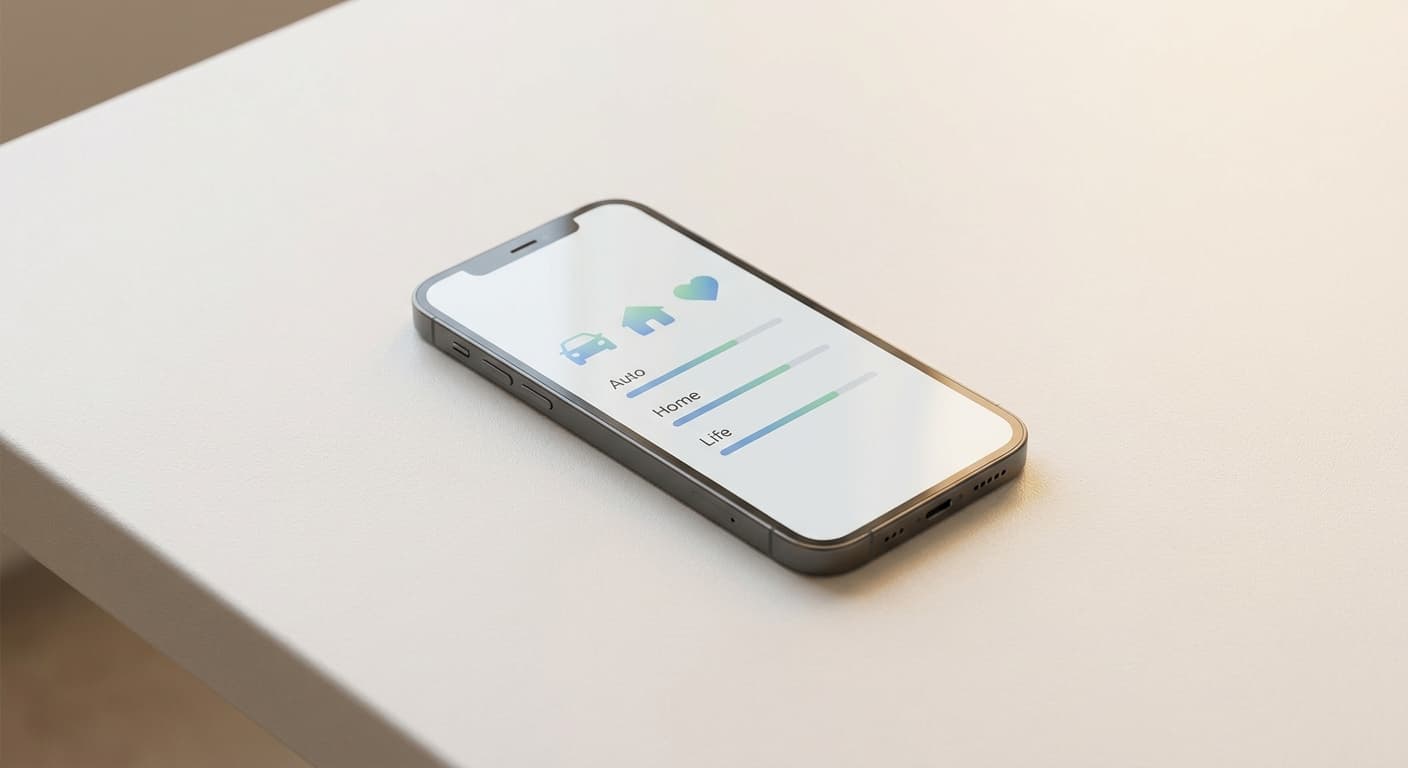
Cover
Direct-to-consumer insuranceCover treats insurance like a normal product purchase. Honest about pricing, allergic to peace-of-mind language, the math shown on the page. Conversational is the move that lets the brand strip the friction without losing the trust the category requires.
See the archetype
Pass
Fine dining groupPass keeps the chef's voice in the copy without crossing into chatty. The dishes are described in chef's-perspective language; the reservation flow stays out of the way. The Conversational tone is what differentiates Pass from the institutional fine-dining register.
See the archetype
Hewn
Clean skincareHewn is the friend with the chemistry degree. Plain English, second-person without pushing, every claim backed by a study cited at the bottom of the page. Conversational here is the warmth that makes the science feel approachable instead of intimidating.
See the archetype
Hounder
DTC dog foodHounder talks to dog owners like dog owners. Warm, knowledgeable, plain-spoken about ingredients. The voice differentiates from legacy pet-food brands that hide behind clinical language and from competitors that lean too hard on cuteness.
See the archetype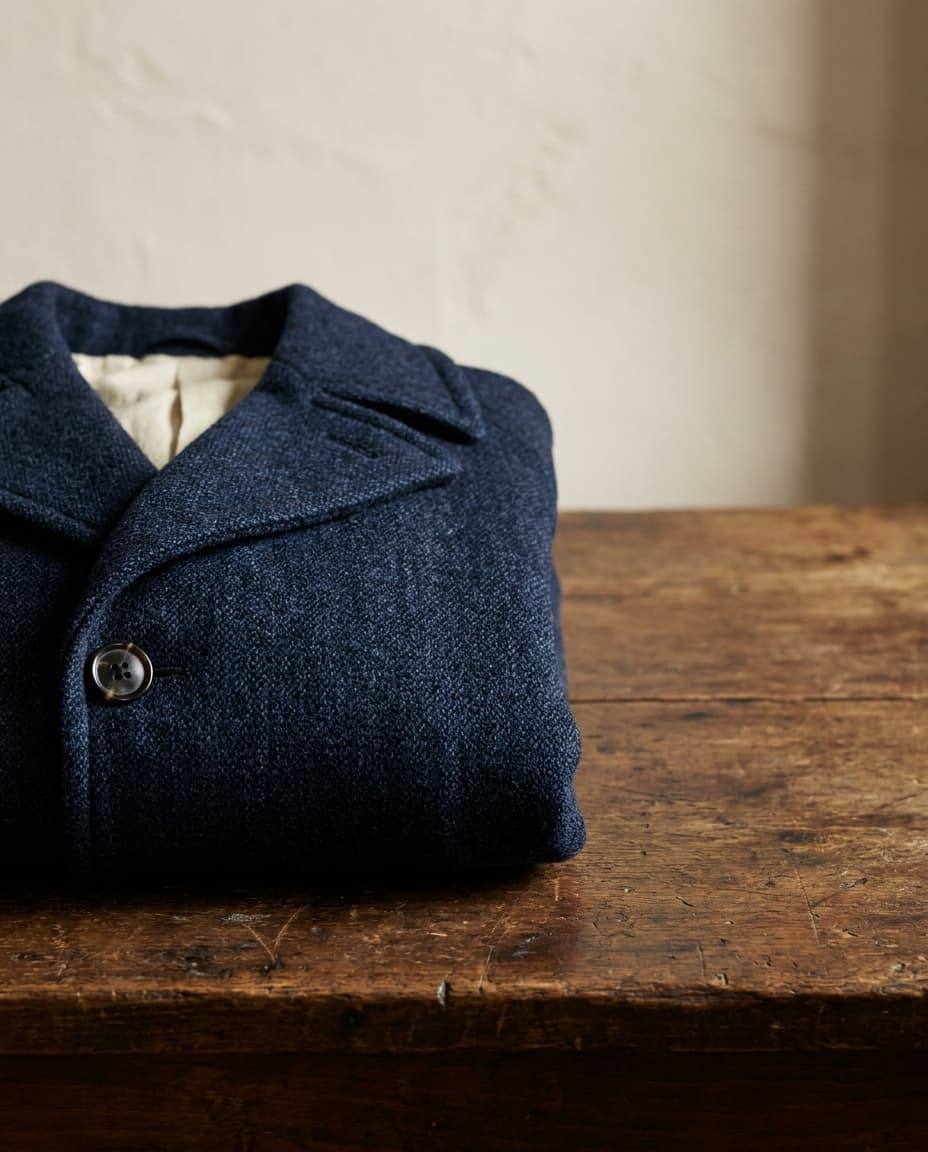
Common Hand
Heritage menswearCommon Hand keeps a story-forward voice that talks about its mills, its makers, and its fabric biography. Third-person about makers, present-tense about current collections. Conversational here is what lets heritage menswear sound contemporary instead of museum-piece.
See the archetype
Lantern
Boutique hotelLantern is sensory and second-person without crossing into travel-blog register. The Conversational tone allows the cinematic atmosphere to live with practical hotel information on the same page without the two fighting each other.
See the archetype
Observatory Editorial
Observatory Editorial is the canonical Conversational reference inside the framework. Documentation that decided to be a marketing site. Calm, considered, peer-to-peer, present-tense. The tone is the move that makes documentation read like writing instead of reference material.
See the archetype
How Conversational composes with the other axes
Conversational pairs most often with Polished Standard on the aesthetic axis (Carepath, Cover, Hounder, Common Hand) and with Peer or Companion on the relationship axis. The combination is the modern B2C and B2B-SaaS register. When Conversational pairs with Editorial Restrained instead (Hewn, Pass, Lantern, Observatory Editorial), the work tightens and the warmth moves into the writing rather than the layout.
Conversational with Authority on the relationship axis is rarer but produces strong work (Pass, Observatory Editorial in part). The reader is being addressed by an expert who is also being a person. Conversational with Coach is rare for a reason: the warmth tends to undercut the challenge the Coach position needs.
Failure patterns
How Conversational fails
Concrete patterns to watch for when adopting the position. These are the failure modes the position has to guard against, in order of how often they appear in the wild.
Failure pattern 1
Drifting into casual when the category demands authority
Conversational in healthcare, finance, or law has to keep the warmth without losing the floor of credibility. Brands that drift into casual produce copy that sounds like a marketing intern, not a trusted advisor. The fix is usually to keep the contractions and tighten the claims, not to add formality.
Failure pattern 2
Performing intimacy the brand has not earned
"Hey friend" copy, fake first-name hooks, the breezy-newsletter voice deployed by a brand the reader has had no relationship with. The reader registers it as a sales tactic, which lowers trust. Conversational works when the brand actually has something to say; it fails when warmth is hiding the fact that there is nothing under it.
Failure pattern 3
Filling silence with reassurance
Conversational copy that pads paragraphs with "don't worry, we've got you" filler reads as a brand uncertain about what it is offering. The discipline is to allow the page to be quiet between specifics rather than filling the gap with comfort copy.
Failure pattern 4
Treating Conversational as the safe default
Conversational is the most-chosen position because it feels low-risk; the failure mode is brands that arrive at it by default rather than by decision. A brand that is genuinely Provocative will be undercut by Conversational tone, and a brand that should be Professional will read as small-firm-trying-bigger.
References