Relationship axis · Position 2 of 4
Peer relationship in Creative Direction
The equal-footing relationship position in the creative direction framework. The reader is the co-thinker, not the learner.
Peer is the brand and the reader figuring it out together, neither pretending to know more than they do.
What Peer is
Peer is the relationship position where the brand and the reader are operating at the same level. The voice does not lecture; it shares working knowledge. Vocabulary assumes literacy; first-person plural carries the brand's perspective without claiming the only perspective. Where Authority addresses the reader as the learner and Coach challenges the reader to do something hard, Peer assumes the reader is already in the work and the brand is one of them.
The position is harder than it looks. Peer copy that drifts into hedging reads as a brand reluctant to take a position; Peer copy that drifts into Authority reads as a brand pretending equality while operating from a height. The discipline is to stay on the level: take positions where the brand has them, decline positions where the brand does not, treat the reader's intelligence as a given.
When Peer fits
Peer fits brands whose audiences are sophisticated readers of the category and would resent being addressed as anything else. Developer tools whose users are senior engineers, design studios whose buyers are in-house design leaders, streetwear whose customers are drop-culture native, conferences whose attendees are in the industry, insurance brands whose modern audience knows what a deductible is. The buyer's first credibility check is whether the brand is treating them as a peer.
The position also fits brands at a stage where the founders' voice is still legible and pretending otherwise would lose the audience. A small studio writing in third-person plural about itself, or a developer tool from a small team writing as if it were an enterprise vendor, both lose what made the brand the brand. Peer is the position that admits the size and lets the size work for the brand.
What Peer rejects
Peer is not hedging. The position rejects the reluctance to take positions, the false-modesty register, and the trick of asking the reader "what do YOU think?" as if equality required the brand to surrender its own perspective. Real equality requires both parties to bring opinions; a brand that has no opinions is not Peer, it is empty.
The position also rejects performed equality: the cadence of "we are figuring this out together" deployed by a brand that has clearly figured it out and is hiding the conclusion. Sophisticated readers detect the maneuver. Peer is the position where the brand actually is at the reader's level on the topics where it is, and is willing to say where it is ahead and where it is behind.
Examples in the showcase
10 archetypes that demonstrate Peer
Peer is among the most-populated positions on the relationship axis because so many of the showcase's brands depend on category sophistication. The archetypes below cover developer tools, design studios, drop culture, insurance, conferences, and the framework's canonical Peer references.

Cover
Direct-to-consumer insuranceCover treats the user as informed and capable. Honest about pricing, the math shown on the page, no peace-of-mind theater. Peer is the relationship that lets the brand strip insurance friction without losing trust.
See the archetype
Drop
Limited-edition fashionDrop is collector-to-collector. Low-tone, no urgency copy, makers' vocabulary. Peer here is the position that lets the brand exist as part of the artifact rather than the gatekeeper.
See the archetype
Fieldwork
Brand and product design studioStudio is design-literate buyers being addressed by designers. Opinionated essays integrated into the work surface, asymmetric type system. Peer is the position that lets the studio argue for its worldview through its own restraint.
See the archetype
Signal
Tech conferenceSignal is industry-fluent, peer-to-peer, irreverent. The conference site is one of the audience's, not an outsider hosting them. Peer is the relationship that earns the ticket sale through brand confidence.
See the archetype
Edge
Systems-level developer toolEdge is operator-to-operator. The team has been on call; the buyer has been on call. Peer is the relationship the entire site is structured around; install instructions are the primary CTA, not schedule-a-demo.
See the archetype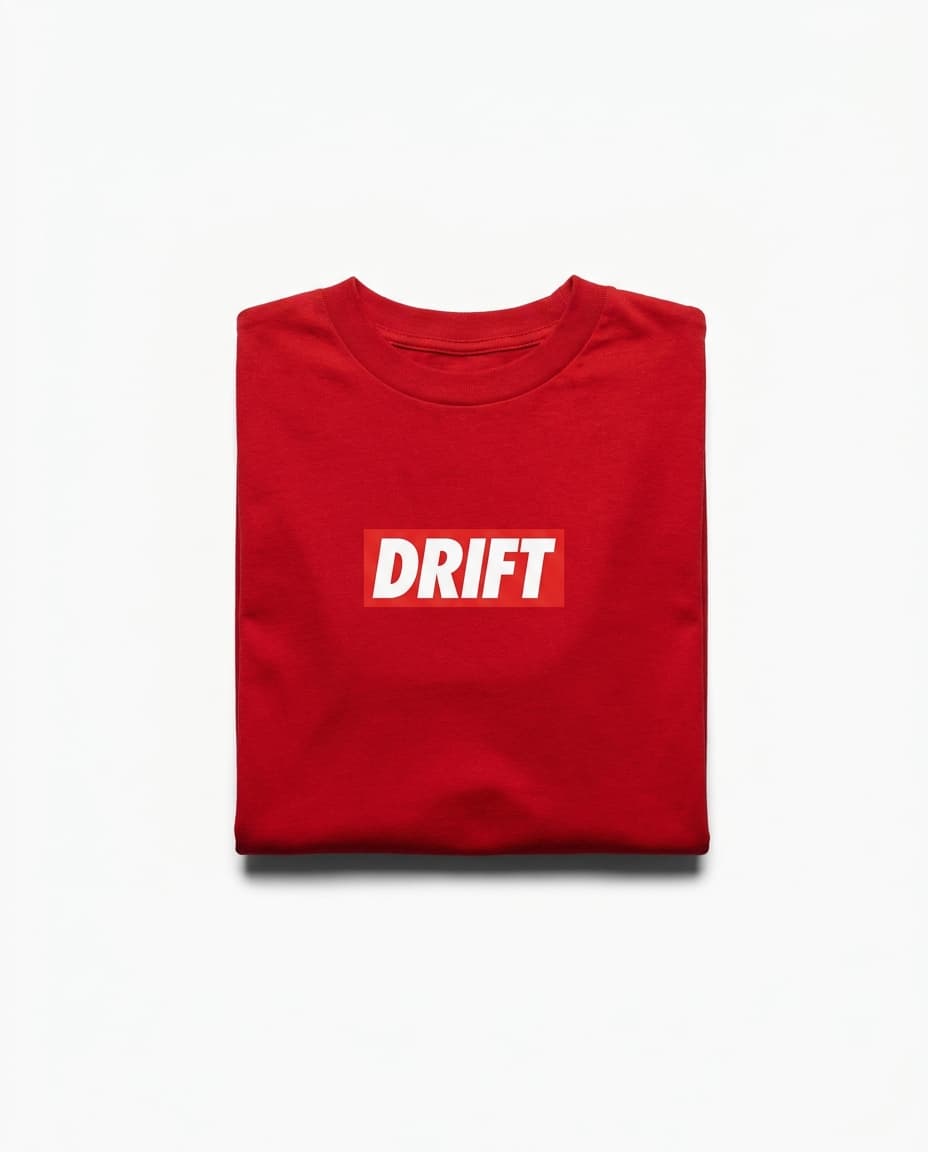
Drift
Streetwear dropsDrift is drop-culture-fluent, cryptic, third-person about the brand. Peer here is the streetwear-collector variant where the brand and the buyer are in the same conversation about the category.
See the archetype
Hewn
Clean skincareHewn is the friend with the chemistry degree. Plain language, second-person without pushing, citations at the bottom. Peer is what lets the science feel approachable instead of clinical.
See the archetype
Common Hand
Heritage menswearCommon Hand is heritage menswear with story-forward voice. Maker provenance, fabric biography, third-person about the makers. Peer is the level the brand operates at with its category-literate audience.
See the archetype
Observatory Editorial
Observatory Editorial is the canonical Peer anchor in the framework. Documentation that decided to be a marketing site. Calm, considered, peer-to-peer, present-tense. The relationship is the floor of the archetype.
See the archetype
Observatory Workshop
Workshop is dry-witty Peer. Runbook-aware, quietly confident. The relationship is what allows the developer tool to be funny without losing operational credibility.
See the archetype
How Peer composes with the other axes
Peer pairs across the full range of tones. With Conversational it produces the modern B2C / SaaS register (Cover, Hewn, Beacon, Common Hand, Editorial, Standard). With Provocative it produces the drop-culture / boutique-studio register (Drop, Studio, Signal, Edge, Drift, Raw). With Playful it produces the dry-witty developer-tool register (Workshop, Loop, Hounder).
On the aesthetic axis, Peer sits with all four positions. Polished Standard is the most common combination (Cover, Hounder, Beacon, Standard, Workshop, Pacer). Editorial Restrained pairs produce Studio's deliberate exception. Expressive Maximalist with Peer is the Drop / Signal / Edge / Drift cluster.
Failure patterns
How Peer fails
Concrete patterns to watch for when adopting the position. These are the failure modes the position has to guard against, in order of how often they appear in the wild.
Failure pattern 1
Hedging instead of taking positions
Peer requires the brand to bring opinions to the conversation. A brand that softens every claim to avoid asserting expertise reads as not actually being a peer at all, just performing equality while declining to participate. The fix is to take positions in the writing where the brand actually has them.
Failure pattern 2
Performed equality
"What do YOU think?" copy from a brand that has clearly thought about it and is withholding the conclusion reads as a marketing maneuver. Sophisticated readers detect it. Peer requires the brand to share the conclusion when it has one.
Failure pattern 3
Drifting into Authority through default cadence
A brand intending Peer that uses Authority cadence (declarative, hierarchical, third-person about itself) ends up at Authority without earning it. The discipline is to keep the level honest: first-person where appropriate, contractions where they read naturally, willingness to admit what the brand does not know.
Failure pattern 4
Mistaking Peer for casual
Peer is not the same as informal. A boutique law firm at Peer with another law firm is highly formal in register. A streetwear brand at Peer with collectors is highly cryptic in register. The relationship determines the level; the tone is a separate axis. Conflating the two produces the wrong work.
References