Framework · Axis 1 of 4
Tone in creative direction.
How formal is the work? How much heat does the language carry?
The tone axis sets the language register that every downstream copy decision answers to. The position picked here propagates into voice attributes, vocabulary preferences, sentence structure, headline patterns, error message register, and the friction copy on every form. Picking the wrong tone position produces a brand that sounds wrong even when no individual line is bad.
The question
What does this axis answer?
Tone is the first axis to pick because it gates the language register every downstream skill consumes. It answers a single question: how formal is the work, and how much heat does the language carry? The four positions map a spectrum from low-temperature professional measure to high-temperature provocation. Each position rejects a set of phrasings, structures, and rhetorical moves that belong to other positions.
Tone is what the reader notices first and remembers longest. A reader can forget a logo and still describe the brand's voice. The tone axis exists to make the voice intentional rather than emergent, since emergent voice tends to drift toward the comfortable middle (friendly-but-professional, approachable-but-credible) that distinguishes nothing.
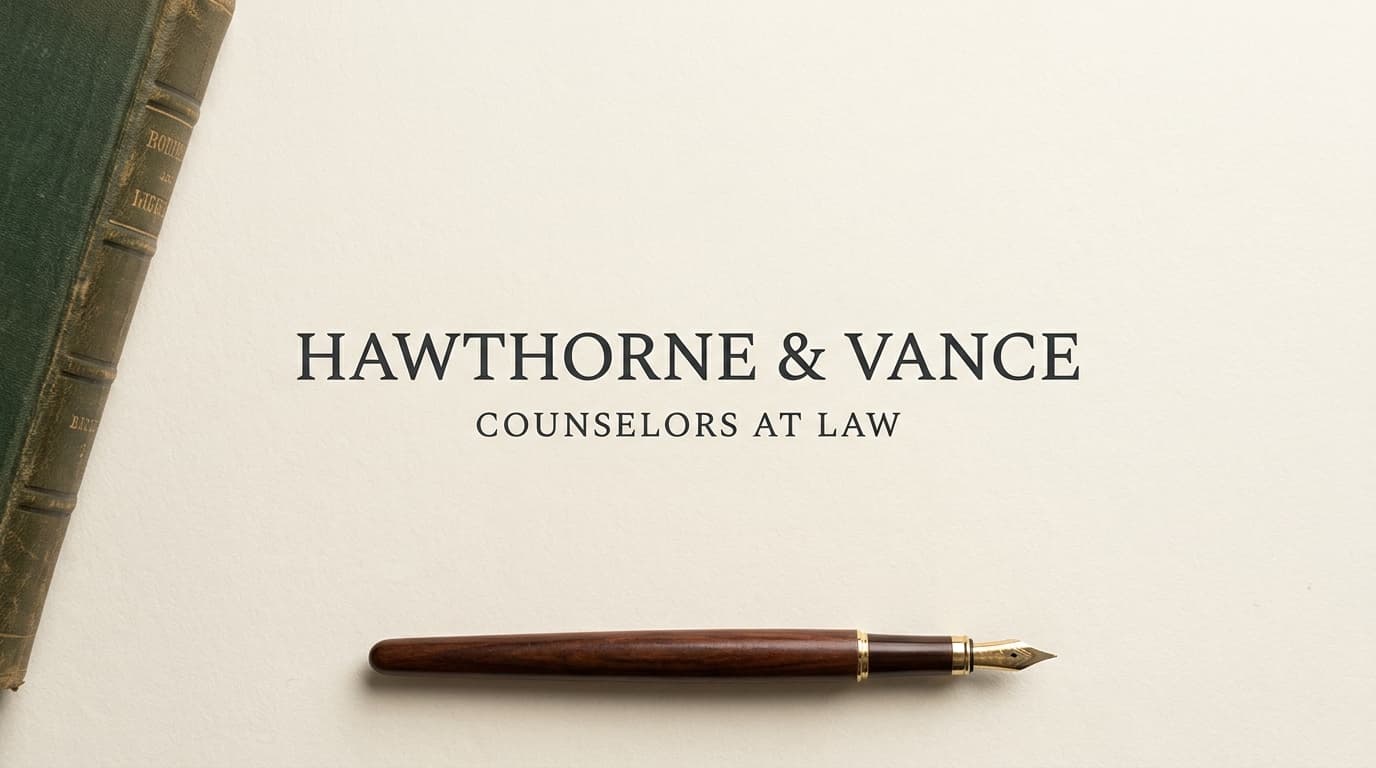
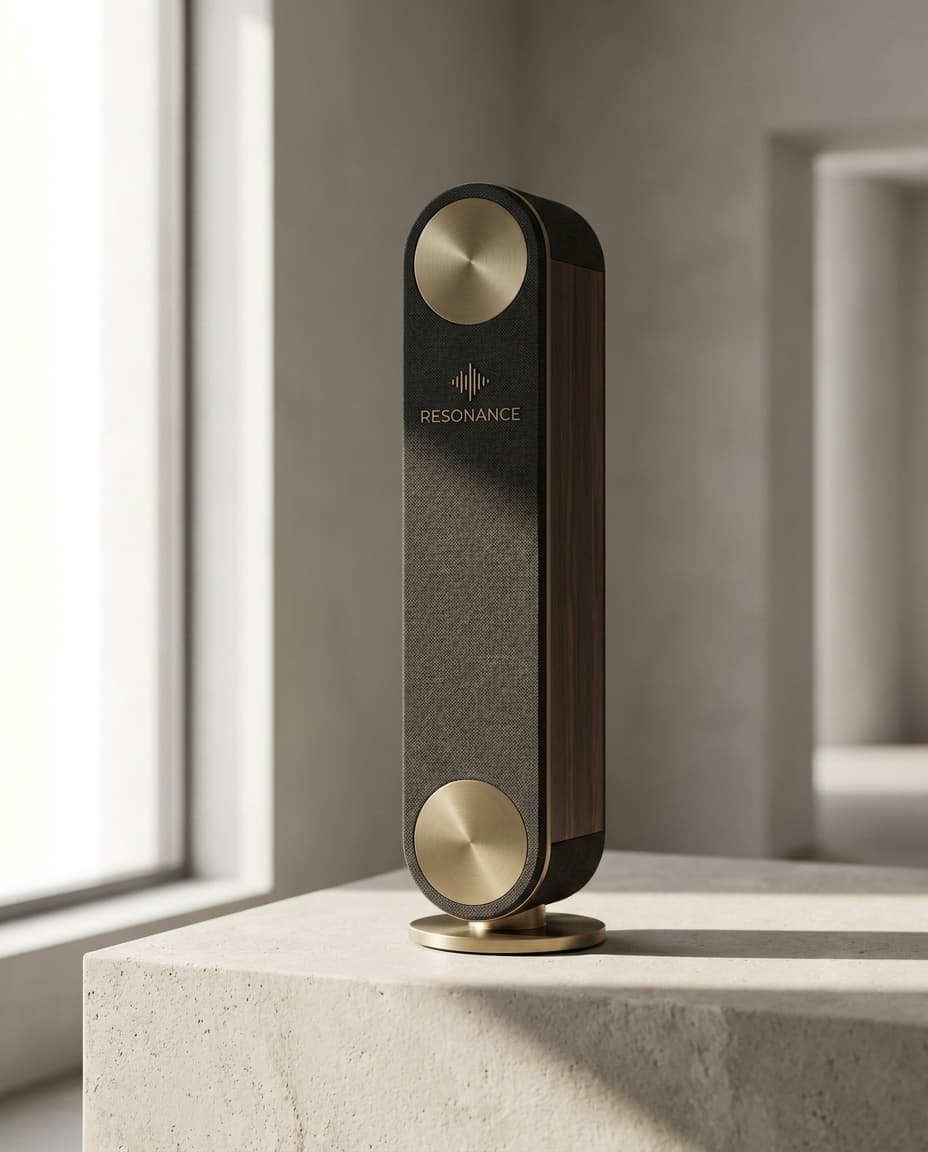
Professional.
Measured, precise, low-register. Trusts the reader to do work. Restraint is the signal. Sentences carry only the information they need to carry. The brand assumes the reader is paying attention and treats that attention as valuable.
When it fits: high-stakes purchase decisions where credibility is the moat (legal, healthcare, luxury, fiduciary services), or categories where the audience is over-marketed and craves the absence of selling.
What it rejects: exclamation marks, urgency language, percentage-off framings, casual interjections, the language of online retail. Professional copy sounds like the brand has nothing to prove, because it does not.


Conversational.
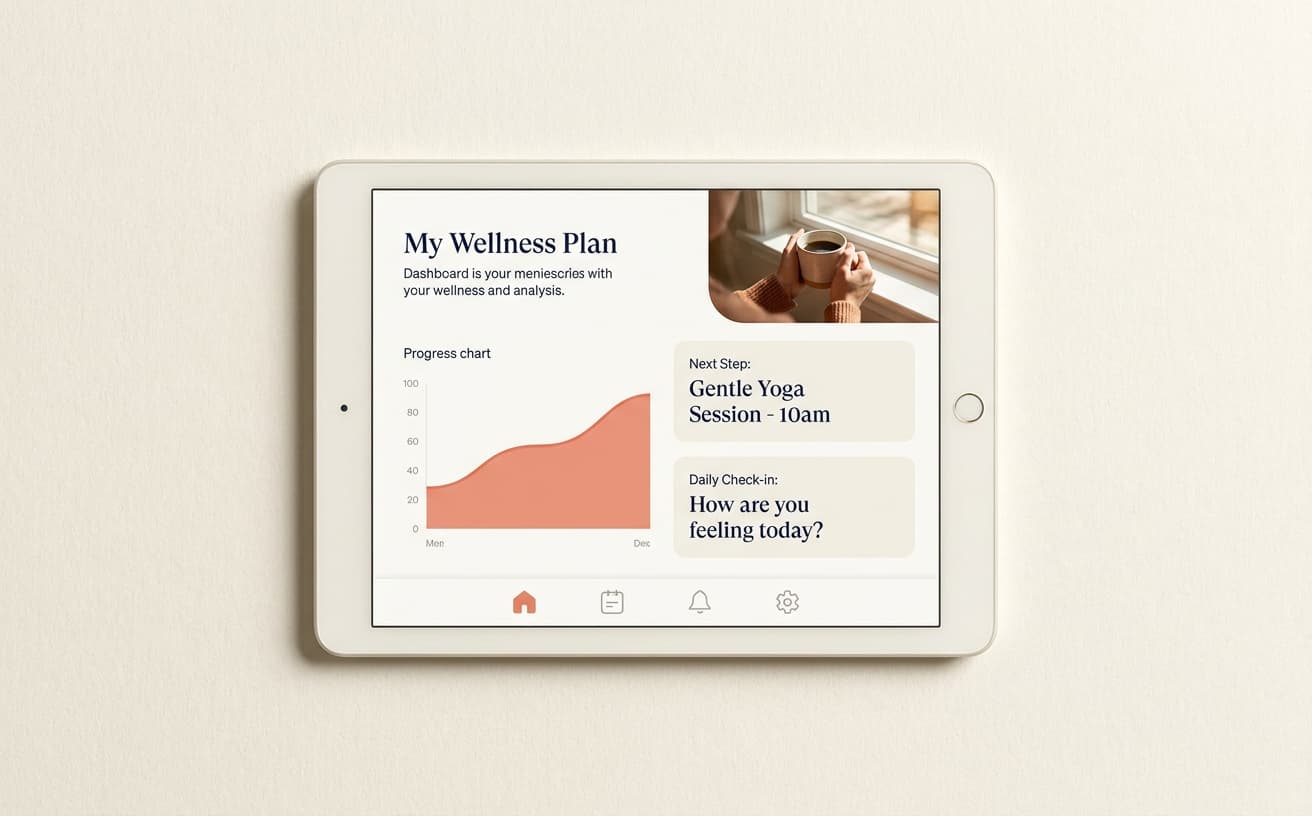
Warmer, more personal, comfortable with first-person and contractions. Reads like a thoughtful person talking. The register is what a smart friend would use over coffee, not what a marketing team would use in a press release. Plain language. Specific examples. Real claims earned with real detail.
When it fits: consumer brands where warmth is the differentiation, or technical brands where the goal is to demystify a category the audience finds intimidating.
What it rejects: corporate hedging, third-person voice, manufactured sincerity, the substitution of warmth for substance. The real-conversational brand is comfortable being specific even when the specifics are inconvenient.



Playful.
Wit, surprise, willingness to break form for effect. The brand has license to make a joke because the rest of the work earns it. Playfulness without earned authority reads as a brand trying too hard; playfulness with earned authority reads as a brand secure enough to relax.
When it fits: consumer categories where the competition is dry, or where the audience expects the brand to entertain as much as inform. Hardest to execute when the audience is the expert (the joke has to land for the expert, not for the brand).
What it rejects: the comfortable middle. Half-playful is worse than not-playful. The position requires the brand to commit to its own taste even when the joke does not land for everyone. Self-conscious playfulness is the cardinal sin.




Provocative.
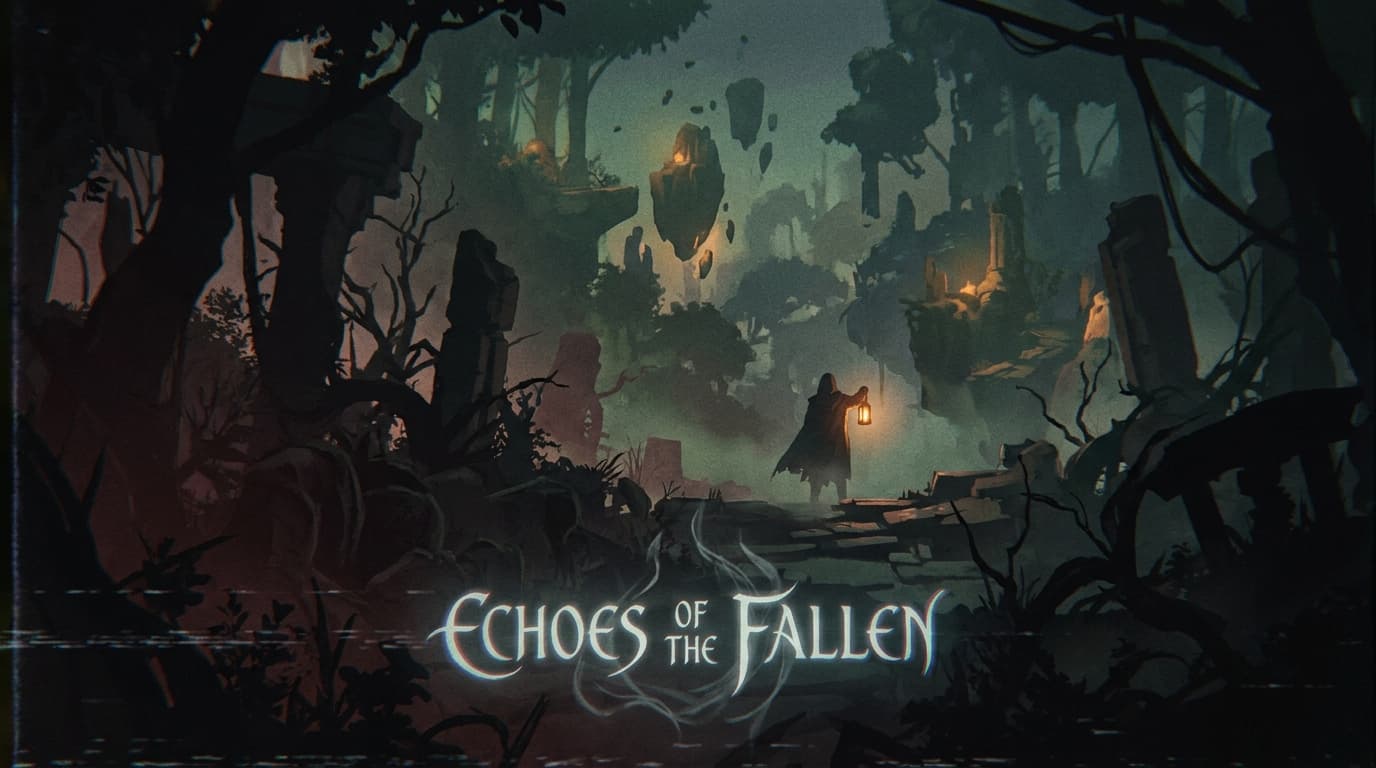
Pointed, opinionated, willing to take a position other brands will not. Risks alienating people who do not share the position; assumes the alienation is part of the proof that the position is real. The provocative brand is not for everyone, and that is the point.
When it fits: brands with a genuine point of view that the rest of the category will not state, or audiences that reward the brand willing to take a stand. Often pairs with niche positioning where the alienated readers were never the audience anyway.
What it rejects: safety. Hedging. The committee-edited compromise that softens every claim. Provocative copy says the uncomfortable thing first; the rest of the page builds the support.

Composition
How tone composes with the other three axes.
Tone interacts most directly with relationship. Provocative-Authority slides toward preachy unless the authority itself is the value (a regulator can earn provocative-authority; a consumer brand usually cannot). Provocative-Companion reads as the supportive friend who refuses to soften the truth. The combination determines whether the brand reads as challenging the reader or challenging the category.
Tone interacts least with aesthetic. Almost any tone position can pair with almost any aesthetic position; the showcase includes a Provocative + Editorial Restrained brand (Studio) and a Provocative + Expressive Maximalist brand (Pulse) that both ship. Aesthetic answers a different question.
Tone shapes downstream copy through the brand-voice skill, which operationalizes the tone position into voice attributes, vocabulary, grammar, and a paired-example library.
Failure patterns
Where tone choices go wrong.
Conversational by default. Most brands pick Conversational because it feels safe and end up writing copy closer to corporate hedging. Real conversational copy uses contractions, first-person, the rhythm of speech. The mid-tone safety zone is where most B2B brands live and most of them sound the same.
Half-playful copy. Self-conscious playfulness is the cardinal sin of consumer brand work. The brand throws in a joke, then qualifies the joke, then explains the joke. Pick a tone and commit; readers can detect a brand hedging on its own voice.
Provocative without the work to back it up. Provocative copy says the uncomfortable thing first; the rest of the page builds the support. Provocative without support reads as a brand trying to seem interesting. The position requires the brand to actually have a point of view, not the appearance of one.
Tone drift across surfaces. The homepage runs Conversational; the error states inherit the framework default; the legal page reads Professional because legal wrote it. Tone has to apply everywhere, with explicit shifts for context. The tone-shifts section of the brand-voice doc is what catches this.
Continue reading.
Frequently asked questions.
- What is the tone axis?
- The first of four axes in the creative direction framework. It captures how formal the brand's language is, and how much heat the language carries. Four positions: Professional (measured, low-register), Conversational (warm, comfortable with first-person), Playful (witty, willing to break form), Provocative (pointed, opinionated).
- How does tone interact with the other three axes?
- Tone shapes the language register; the other axes shape visual density (aesthetic), reader hierarchy (relationship), and emotional ask (sensory). Tone interacts most directly with relationship: a Provocative-Authority brand tends to read as preachy unless executed carefully, while a Provocative-Companion brand tends to read as supportive. Tone interacts least with aesthetic; almost any tone position can pair with almost any aesthetic position.
- What is the most common tone failure pattern?
- Picking Conversational by default because it feels safest, then writing copy that lands closer to corporate hedging. The mid-tone safety zone is where most B2B brands live, and most of them sound the same. Conversational works when the writing actually sounds like a thoughtful person talking, with contractions, with first-person, with the rhythm of speech. It fails when the writing reads like a marketing team approximating that rhythm.